Minimalist Workspaces: Creating Environments that Enhance Productivity and Reduce Distractions
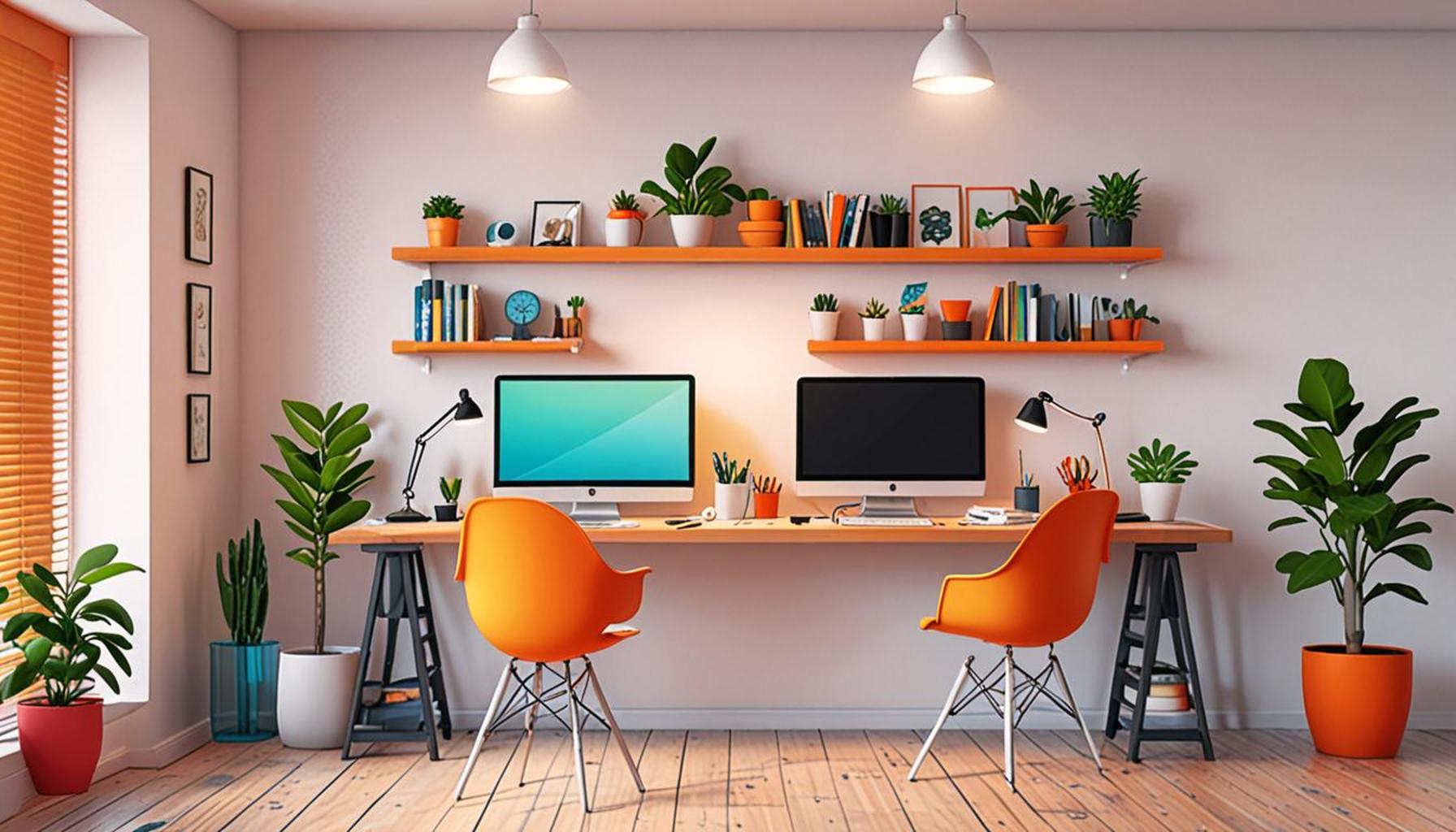
In a world where the constant push for greater productivity often comes at the cost of our mental and emotional well-being, many professionals are turning to a revolution of sorts: the minimalist workspace. Characterized by simplicity and intentionality, these environments serve as an antidote to the overwhelming sensory overload that can accompany traditional workplaces. By focusing on essential elements and removing unnecessary distractions, minimalism in our workspaces encourages heightened clarity and focus, ultimately enhancing our productivity.
Key Features of Minimalist Workspaces
- Decluttered Surfaces: A tidy desk is not merely about aesthetics; it promotes mental clarity and reduces stress. Research has shown that clutter evokes a sense of chaos, making it harder for individuals to focus on tasks. For example, keeping only the essentials on your desk—like a notepad, computer, and perhaps a plant—can create an environment conducive to deep work.
- Neutral Color Palettes: Utilizing soft hues such as whites, grays, and pastels can greatly influence the ambiance of your workspace. These colors not only help to create a calming atmosphere but can also aid in reducing eye strain and enhancing concentration. An office painted in light gray with white accents can feel more serene as opposed to one filled with bright, overwhelming colors.
- Functional Furniture: Smart storage solutions and ergonomic designs are essential components of a minimalist workspace. Furniture like standing desks or chairs with lumbar support not only promotes physical comfort but also allows for a cleaner look by reducing unnecessary items. Modular furniture that adapts to your needs can further enhance efficiency and create versatility in your work habits.
- Natural Light: Expansive windows and open layouts play a crucial role in designing an inviting workspace. Natural light is known to boost mood and energy levels while reducing the risk of fatigue. For instance, positioning your desk near a window can bring the outdoors in and foster a refreshing work environment, improving overall morale.
In fact, evidence supports the notion that a well-organized workspace can translate to higher performance levels. A noteworthy study by the University of California found that individuals functioning in clean and organized settings produced better results compared to those surrounded by clutter. This underscores the idea that creating a minimalist workspace extends beyond personal preference, leading to tangible improvements in efficiency and well-being.
As you delve deeper into the principles of minimalist workspaces, consider how these key components might play a pivotal role in your productivity and satisfaction at work. Adopting minimalist ideas can transform not just your surroundings but also your entire approach to work. By embracing simplicity and intention in your workspace design, you may find that your creative energies flourish and your stress levels diminish, paving the way for a more fulfilling work experience.
DISCOVER MORE: Click here to uncover the benefits of mindful living
Design Principles that Foster Minimalism in Workspaces
Creating a minimalist workspace goes beyond simply removing clutter; it involves a thoughtful design approach that prioritizes functionality and tranquility. Implementing specific principles can transform an average office into a sanctuary of productivity where distractions are minimized and focus is prioritized. Below are essential design principles that can help entrepreneurs, freelancers, and corporate professionals alike cultivate a minimalist workspace.
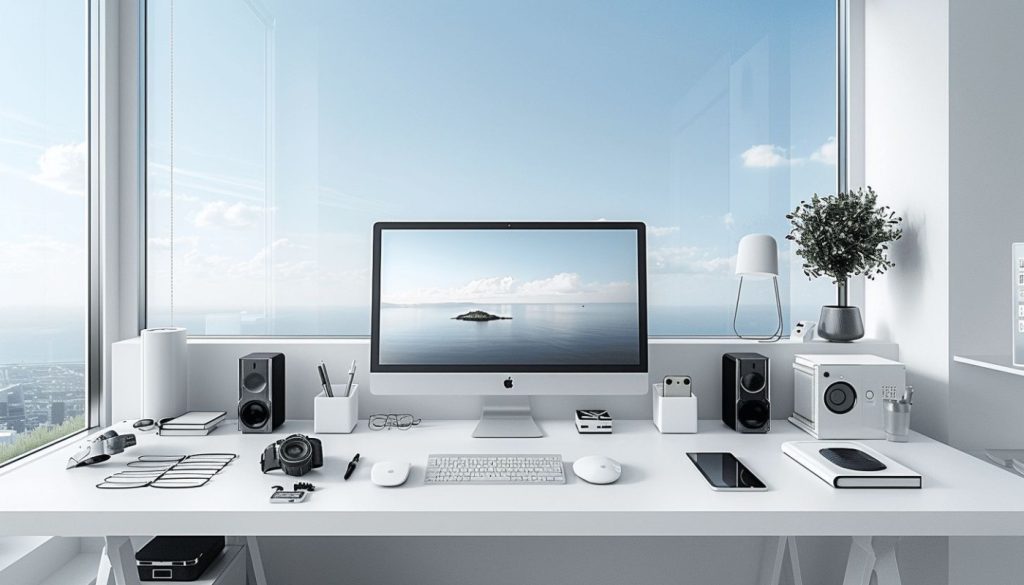
- Intentional Layout: The arrangement of furniture and work elements in a workspace should promote ease of movement and accessibility. An intentional layout that places commonly used items within arm’s reach can streamline workflow and reduce the time spent searching for tools. Consider creating zones for different tasks—for instance, a dedicated area for brainstorming or a quiet corner for focused work. This zoning helps maintain balance and organization, contributing to heightened productivity.
- Incorporating Natural Elements: Biophilic design, which integrates natural elements into indoor spaces, can enhance well-being and productivity. Studies indicate that the inclusion of plants not only purifies the air but also boosts creativity and concentration. Simple green spaces or desk plants like succulents or snake plants can add life to your workspace while contributing to a calming environment, reinforcing the principles of minimalism and productivity.
- Strategic Use of Technology: In a tech-driven world, the integration of technology can be both a blessing and a distraction. Minimalism encourages the use of technology that directly supports productivity while minimizing unnecessary gadgets. Consider investing in high-quality tools that enhance your work efficiency, such as a reliable laptop and noise-canceling headphones, while avoiding superfluous devices that create clutter. This streamlined approach to technology can help maintain focus and clarity, preventing overwhelm.
- Personalization with Purpose: While minimalism often means reducing personal items, a truly effective workspace reflects your personality in a deliberate way. Select a few meaningful items that inspire creativity or motivate you—perhaps a motivational quote framed on the wall or an art piece that evokes positivity. The key is to ensure that each item has a purpose and contributes positively to your workspace ambiance instead of adding visual noise.
Research highlights that a well-guided workspace influences not just productivity but also overall job satisfaction. A Harvard Business Review article emphasizes how an intentional workspace environment—characterized by minimal distractions—leads to improved team collaboration and individual performance. Whether you’re a remote worker or spending long hours in the office, the principles of minimalist design can cater to both personal and professional needs, enabling a harmonious balance between work responsibilities and well-being.
As you contemplate the transformation of your workspace through minimalism, think critically about the impact of your environment on your daily tasks. Each design decision—be it decluttering, choosing color palettes, or integrating natural elements—creates a ripple effect, influencing your mood, creativity, and ultimately your level of productivity.
| Advantage | Description |
|---|---|
| Enhanced Focus | Minimalist workspaces reduce visual clutter, allowing individuals to concentrate better on their tasks. |
| Stress Reduction | A calm environment promotes mental well-being, reducing anxiety and helping to maintain productivity throughout the workday. |
When it comes to creating an effective workspace, adopting a minimalist approach can significantly transform your productivity levels and minimize distractions. One of the key advantages is the ability to enhance focus. In a minimalist workspace, the absence of unnecessary items provides a clear field of vision, allowing individuals to hone in on the task at hand. Moreover, a stress-reduced workspace fosters an environment where creativity and efficiency can flourish. By removing extraneous clutter, employees can work and think more clearly, leading to better decision-making and efficient task completion. The tranquil settings cultivated by minimalist designs encourage a sense of peace, thus contributing to improved mental wellness. Embracing minimalist elements is not only about aesthetic appeal but also about creating a practical atmosphere that supports sustained engagement and promotes productivity.
DISCOVER MORE: Click here to enhance your productivity
Color Psychology in Minimalist Workspaces
Color plays a pivotal role in setting the mood of any workspace. By understanding color psychology, individuals can utilize hues that promote concentration, calmness, and efficiency. When designing a minimalist workspace, careful selection of colors can enhance productivity levels while ensuring the environment remains inviting and uncluttered.
- Calming Neutrals: Shades of gray, beige, or soft whites serve as excellent backdrops in a minimalist workspace. These colors evoke feelings of calmness and clarity, allowing the mind to focus on tasks without overwhelming distractions. Incorporating natural wood tones can further enhance this tranquility, creating a serene atmosphere.
- Vibrant Accents: While maintaining a neutral palette, adding pops of color through accessories can inject energy and creativity. Colors like green, yellow, or blue stimulate different cognitive functions. Green is often associated with growth and renewal, while yellow can inspire optimism and creativity. Strategically placed accent pillows or wall art in these colors can enhance your workspace without cluttering the visual space.
- The Role of Light: Lighting can greatly affect the perceived color within your workspace. Natural light is optimal for reducing eye strain and improving mood. If possible, position your desk near windows to capitalize on daylight. In cases where natural light is limited, opt for warm LED lighting that mimics the sun and creates a comforting, inviting space that contributes to productivity.
The Importance of Ergonomics in Minimalist Design
In the pursuit of a minimalist workspace, ergonomics should not be overlooked. A workspace that prioritizes comfort and health can significantly impact overall productivity levels. Ergonomic design elements prevent physical strain, which often leads to distractions caused by discomfort.
- Chair and Desk Selection: Choose a chair that provides ample support for the lower back and promotes good posture. Height-adjustable desks allow for flexibility in workspace arrangements, supporting both sitting and standing positions. This adaptability encourages movements and changes in posture throughout the day, reducing fatigue and enhancing focus.
- Keyboard and Monitor Positioning: The positioning of peripherals is crucial for minimizing strain. Ensure your monitor is at eye level to prevent neck strain, and your keyboard and mouse should be at a comfortable height to allow your wrists to remain straight. These small adjustments aid in maintaining energy and minimizing distractions caused by discomfort.
Embracing Digital Minimalism
In today’s digital age, an equally important aspect of minimalism is adopting digital minimalism. This concept encourages individuals to streamline their digital tools and limit distractions from technology. A cluttered digital workspace is just as detrimental to productivity as a physically cluttered one.
- Organizing Digital Files: Create a structured digital filing system that’s easy to navigate. Use folders to categorize documents, and avoid having unnecessary files on your desktop. This organization can significantly reduce time wasted searching for important files and streamline work processes.
- Managing Notifications: Disable non-essential notifications on your devices to minimize interruptions. A dedicated focus time without alerts can lead to deeper concentration on tasks and projects. Consider utilizing apps that block distracting websites during specified productivity sessions to reinforce a distraction-free environment.
By incorporating thoughtful color choices, ergonomic design, and principles of digital minimalism, individuals can further refine their minimalist workspace. This holistic approach not only enhances productivity but also fosters an environment where work can be accomplished efficiently and comfortably.
DISCOVER: Click here for practical decluttering tips
Conclusion: The Art of Crafting a Minimalist Workspace
In an increasingly chaotic world, minimalist workspaces emerge as a beacon of clarity and efficiency. By embracing simplicity, individuals can forge environments that prioritize productivity while simultaneously minimizing distractions. The insightful integration of elements such as color psychology, ergonomic design, and digital minimalism not only aids in creating visually appealing spaces but also fosters an atmosphere conducive to focused work and creativity.
Employing calming neutral tones can set a tranquil backdrop, while strategic accent colors invigorate the senses and stimulate innovative thinking. Prioritizing ergonomic furniture ensures that comfort and health take center stage, thereby preventing physical strain and allowing for sustained focus. Equally important, streamlining digital tools enhances workflow efficiency, curbing the incessant distractions typically associated with technology overload.
Ultimately, the journey towards a minimalist workspace is not merely about decluttering; it is about intentional design that mirrors one’s values and work style. By cultivating an environment that radiates order and tranquility, individuals can unlock their potential and enhance their overall productivity. For those ready to make a change, the minimalist approach offers a roadmap to create invigorating workspaces that elevate the everyday working experience. As you embark on this path, remember that the essence of minimalism lies in purpose-driven choices that resonate with your personal ethos. So, take a moment to investigate your workspace today and imagine the transformations that lie ahead.