Natural Feeding vs. Commercial Food: What is Better for Nigerian Cats?
Understanding the Dietary Choices for Cats in Nigeria
The increasing popularity of cats as pets in Nigeria has led to significant discussions about their optimal feeding practices. The decision between natural feeding and commercial food raises questions about the health, nutrition, and overall well-being of our feline companions. As pet ownership rises, so does the need for informed choices regarding what we feed our cats.
The Benefits of Natural Feeding
Natural feeding, often involving home-cooked meals or raw diets, emphasizes the use of fresh, wholesome ingredients. Many proponents argue that a natural diet can enhance digestion and provide better nutrient absorption. For example, a cat’s natural diet in the wild primarily consists of proteins from freshly hunted prey like mice and birds. By replicating this, owners can tailor meals specifically to their cat’s taste preferences and dietary needs. Ingredients such as chicken, fish, and vegetables can be prepared at home, contributing to a sense of freshness and quality control.
However, natural feeding is not without its challenges. It requires substantial time and knowledge to prepare balanced meals that fulfill all dietary needs. Moreover, there’s the risk of bacterial contamination when handling raw meats. For instance, Salmonella and E. coli can pose health risks not only for the cats but also for humans, especially children, who might come into contact with contaminated surfaces.
The Appeal of Commercial Cat Food
On the other hand, commercial food offers convenience and a wide range of options tailored to different life stages and health requirements. Brands like Whiskas, Royal Canin, and local Nigerian brands have developed formulations that include dry kibble, wet food, and even specialized diets for aging cats or those with health issues. These products undergo rigorous testing to ensure they meet the nutritional standards set by regulatory bodies.
Commercial cat food is readily available in supermarkets and pet shops across Nigeria, making it an attractive option for busy pet owners. Furthermore, they provide assurance of complete and balanced nutrition, which can be difficult to achieve through home-cooked meals. For example, many commercial foods are fortified with vitamins and minerals that are crucial for a cat’s health and might be challenging to include in natural diets.
Local vs. International Products
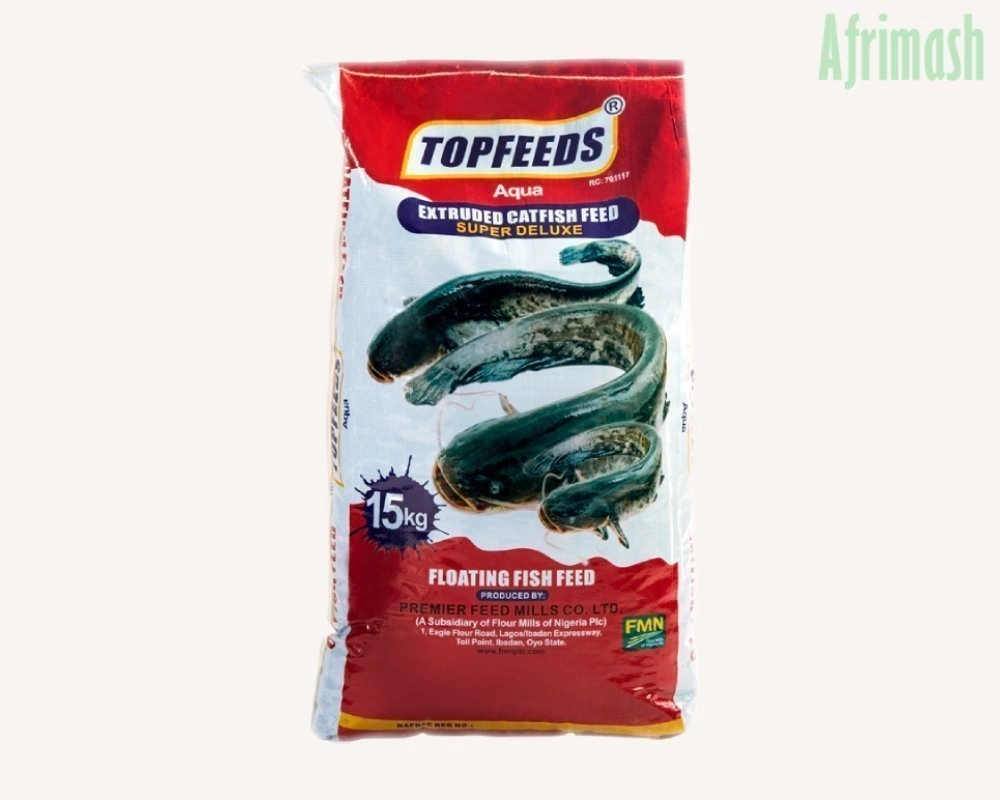
With the rise in cat ownership, many pet owners are now curious about the efficacy and quality of local brands compared to established international products. While some Nigerian brands are stepping up, producing quality food that meets international standards, others may lack essential nutrients or quality control. Therefore, it is crucial for pet owners to research ingredients and nutritional content when selecting products for their cats.
Experts suggest that consulting with a veterinarian can guide pet owners in determining the best diet for their cats based on age, health, and personal preferences. This allows cat owners to make evidence-based decisions, tailoring their cats’ diets to enhance their health and happiness.
As the discussion on cat diets continues to evolve, it becomes evident that each pet’s unique needs must drive the choices of their owners. Moving forward, a deeper exploration of the implications of these feeding practices will be essential in ensuring the best possible care for our beloved feline friends in Nigeria.
ADDITIONAL INSIGHTS: Expand your understanding here
Navigating the World of Cat Nutrition in Nigeria
The debate surrounding natural feeding versus commercial food for cats is one that beckons careful consideration, particularly among new cat owners in Nigeria. As we dive deeper into the nutritional landscape, it’s essential to explore the implications of each feeding method to guide pet owners in making informed choices.
Exploring Natural Feeding Options
Natural feeding is gaining traction among pet owners who aspire to provide their cats with a diet akin to what they would naturally consume in the wild. This approach focuses on using fresh and unprocessed ingredients that can include:
- Lean meats (chicken, turkey, and fish)
- Organs (liver and heart)
- Vegetables (carrots, peas, and pumpkin)
- Rice or oats for carbohydrates
Supporters of natural feeding argue that this method can lead to a range of health advantages. For instance, feeding cats a varied diet can help prevent obesity, digestive issues, and allergies that sometimes arise from the artificial additives found in commercial foods. Moreover, many cat owners report seeing improved coat quality and energy levels in their pets when adopting a natural approach.
Despite its benefits, natural feeding can come laden with challenges. It demands time, culinary skills, and meticulous planning to ensure meals are not only enjoyable for the cats but also nutritionally complete. Many responsible cat owners worry about ensuring their pets get adequate nutrients, as certain vitamins and minerals may be lacking in home-cooked meals. Additionally, improper handling can lead to contamination risks, especially when introducing raw meats into their pet’s diet.
The Convenience of Commercial Cat Food
In contrast, commercial cat food provides a level of convenience that is hard to match, especially for those often engrossed in busy lives. These products are generally fortified with a blend of nutrients, making them a reliable fallback for cat owners. International brands such as Purina and Hill’s Science Diet have extensive research backing their formulations to ensure that they deliver complete and balanced nutrition tailored for various life stages of cats.
Here are some notable advantages of commercial cat food:
- Accessibility: Easily obtainable from local supermarkets or online platforms across Nigeria.
- Nutritional Consistency: Formulations are crafted to meet regulatory standards, which can be a guarantee of quality.
- Time-Saving: No need for daily meal prep, freeing up time for cat owners.
- Specialized Options: Availability of diets tailored for specific health issues, such as weight management or kidney support.
However, just like natural feeding, commercialization has its drawbacks. Over-reliance on commercial food may lead to ignoring the importance of variety in a cat’s diet, and the inclusion of artificial additives is often criticized by pet nutritionists.
In Nigeria, the choice between these two feeding options points towards a larger conversation about what is best for our pets. As increasing numbers of families welcome cats into their homes, understanding the detailed nuances of natural feeding versus commercial food will be pivotal in fostering the well-being and overall health of our feline friends.
Natural Feeding vs. Commercial Food: What is Better for Nigerian Cats?
When selecting the best nutrition for your feline companion in Nigeria, it’s essential to consider both natural feeding and commercial food options. Each method has its own set of benefits and potential drawbacks, and understanding these can help cat owners make an informed decision.
| Advantages | Details |
|---|---|
| Improved Health | Natural feeding often includes fresh ingredients, providing essential nutrients that can enhance overall health, weight management, and energy levels. |
| Reduced Allergies | Homemade meals can be tailored to meet specific dietary needs, potentially decreasing allergic reactions compared to commercial foods laden with additives. |
On the other hand, commercial cat food offers convenience and guaranteed nutritional balance, often formulated to meet feline dietary needs. Commercial options come in various flavors and textures, catering to different preferences of cats.
With the rise of pet ownership in Nigeria, understanding what is best for your cat’s diet is crucial. While natural feeding can provide quality nutrition with fewer additives, commercially prepared food stands out due to its practicality. The choice lies in aligning feeding methods with your cat’s specific health requirements and personal preferences.
RECOMMENDED: Check out this similar article
Understanding the Pitfalls and Benefits of Both Approaches
As we delve deeper into the discussion on natural feeding and commercial food, it’s crucial to weigh not only the advantages but also the pitfalls presented by each method, especially in the context of Nigerian households. It is these nuances that can significantly influence the health and happiness of our beloved feline companions.
The Role of Ingredients and Quality Control
When it comes to commercial cat food, the ingredient quality varies widely among brands available in Nigeria. While reputable brands adhere to stringent quality control measures, lesser-known or local brands may not offer the same level of assurance. Cat owners should look for labels indicating that the food meets regulatory standards or has been tested by independent laboratories. Ingredients like meat by-products, often found in cheaper options, can raise eyebrows among conscientious pet owners. These by-products may include parts of animals that are not high in nutritional value.
On the natural feeding side, sourcing high-quality ingredients is paramount. The growing trend of farmers’ markets and organic food stalls in Nigerian cities presents an opportunity for cat owners to procure fresh meats and vegetables. Purchasing direct from local farmers can enhance ingredient quality, ensuring that their pets receive optimal nutrition. However, it is crucial to understand that freshly sourced does not always mean safer; keeping a vigilant eye on handling and storage practices is vital to prevent health risks.
Health Considerations and Veterinary Insights
Vets often find themselves navigating the growing divide between these two feeding philosophies. Some recommend a mixed approach, suggesting that commercial food can form a nutritional base while allowing for occasional natural treats or home-cooked meals. This hybrid strategy may ultimately provide the best of both worlds—nutritional assurance from commercial sources alongside the health benefits attributed to natural feeding.
Interestingly, certain breeds of cats, such as the Persian or Bengal, may have special dietary restrictions or needs that make it essential to consult with a veterinarian. Individual cats may exhibit unique intolerances to specific ingredients, which necessitates an adaptable feeding strategy. Whether opting for natural or commercial food, regular veterinary check-ups are essential to monitor a cat’s health and make dietary adjustments as required.
Cultural Context and Lifestyle Choices
In Nigeria, cultural practices and lifestyle choices play an integral role in pet care. Many households still operate on traditional feeding methods, which often include homemade meals. Such practices can be seen in various regions where fish, meat, or rice-based dishes occasionally include their cats. While these practices may align more with natural feeding, the challenge arises when owners lack knowledge regarding the nutritional completeness of their recipes. It is pivotal that cat owners educate themselves on how to combine these ingredients effectively to ensure their pets receive a balanced diet.
Moreover, as urbanization increases, pet ownership is evolving, with more Nigerians open to the idea of specialized diets. The proliferation of social media platforms and cat-related forums offers a wealth of information, making it easier for owners to search for optimal feeding practices. However, misinformation can also mislead, highlighting the importance of researching credible sources or consulting veterinary professionals.
In the end, the decision of whether to choose natural feeding or commercial food lies in the thorough understanding of both methods, the lifestyle of the owner, and the unique needs of each cat. As the world of pet care becomes increasingly intricate, informed choices will pave the way for healthier and happier cats in Nigeria.
LEARN MORE: This related article may interest you
Conclusion: Finding the Right Fit for Your Feline Friend
As we dissect the discourse surrounding natural feeding and commercial food, it is evident that there is no one-size-fits-all solution for Nigerian cat owners. The decision ultimately hinges on a myriad of factors, including the specific nutritional needs of the cat, the quality of available ingredients, and the lifestyle choices of the owner. Both feeding methods present their own merits and challenges, and understanding these intricacies can lead to a more informed and responsible approach to pet care.
For cat owners inclined towards natural feeding, integrating fresh, locally sourced ingredients can significantly enhance their feline’s diet, promoting better overall health. However, vigilance regarding nutritional balance and food safety remains paramount. Conversely, opting for commercial food can offer convenience and assurance of complete nutrition, especially when selecting reputable brands that adhere to safety standards. It is necessary for owners to educate themselves about ingredient quality and to remain discerning about where they purchase their food.
Moreover, as urbanization and pet culture evolve in Nigeria, a hybrid approach that marries both methods may resonate as a practical solution. Consulting with veterinary professionals can aid in tailoring feeding strategies that cater to individual cats, ensuring their health and well-being are prioritized. Ultimately, embracing knowledge, understanding cultural practices, and being open to adaptations will enable Nigerian cat owners to unlock the path towards creating optimal diets for their cherished pets. Making informed decisions is the key to nurturing healthier and happier cats across Nigeria.