Pet Training Approaches in Nigerian Rural Communities
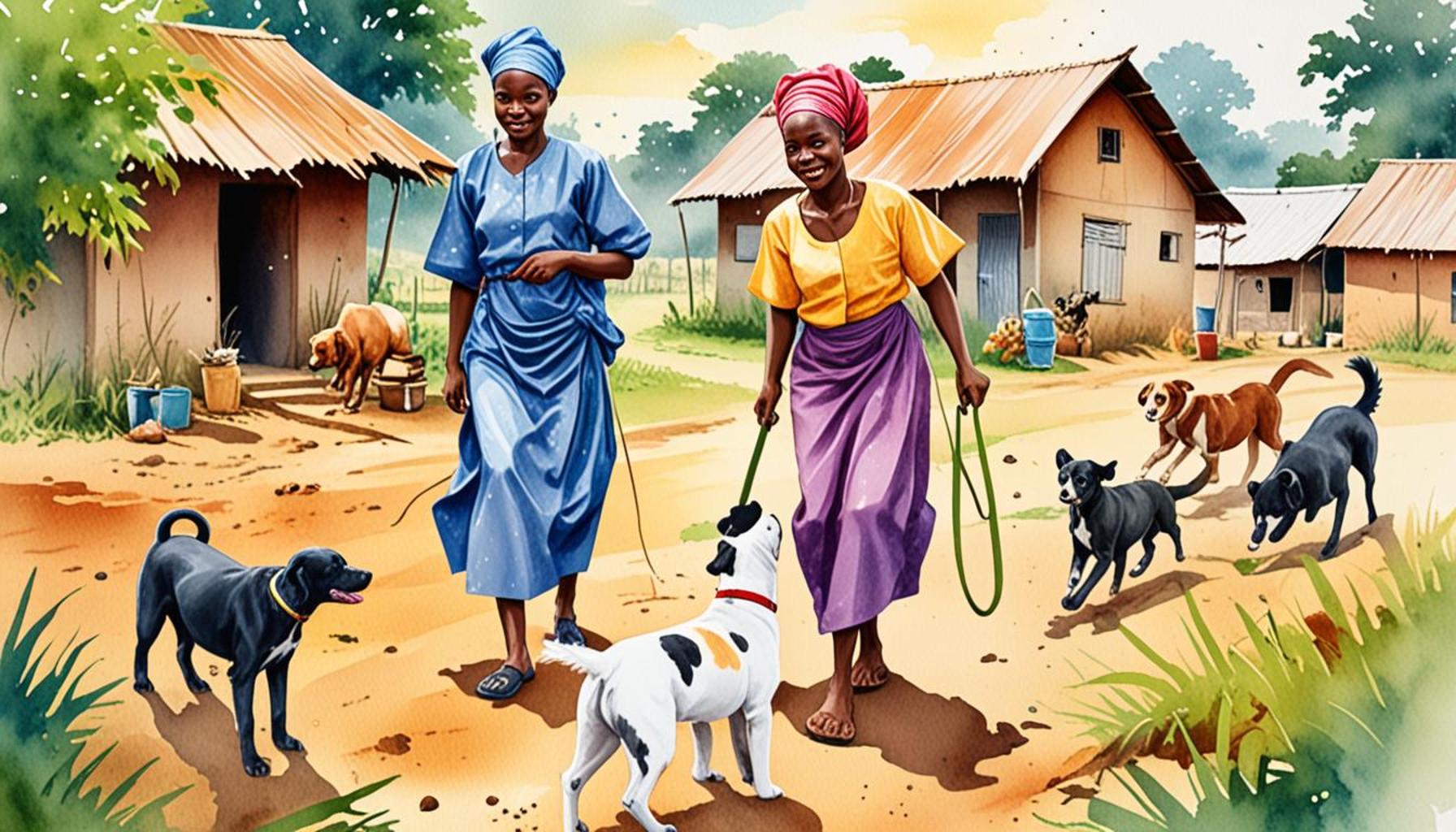
Understanding the Fabric of Pet Training in Nigeria
In many Nigerian rural communities, the connection between humans and animals transcends mere companionship; it is intertwined with the fabric of everyday life. The training of pets—be it dogs, cats, or even livestock—reflects a unique harmony of traditional values and practical needs that has evolved over generations.
Cultural beliefs play a pivotal role in shaping training practices. For instance, many rural Nigerians perceive dogs not just as pets but as guardians of their properties and livestock. Each command and reward system is often enshrined in the community’s lore, where stories of loyalty and companionship serve as powerful motivators for effective training. In some tribes, specific breeds such as the local “Brittany” or “Dogo” are revered for their skills in hunting and protection, influencing how they are trained to perform those functions.
Practical needs dictate the approach to pet training as well. In agricultural communities, livestock management is crucial. Animals like goats and chickens often require training to follow specific paths or return to the pen Safely at dusk. Here, the emphasis is on functional training techniques; for example, herding dogs might be taught using gestural commands unique to the region, ensuring harmonious coexistence between farm animals and their human caretakers.
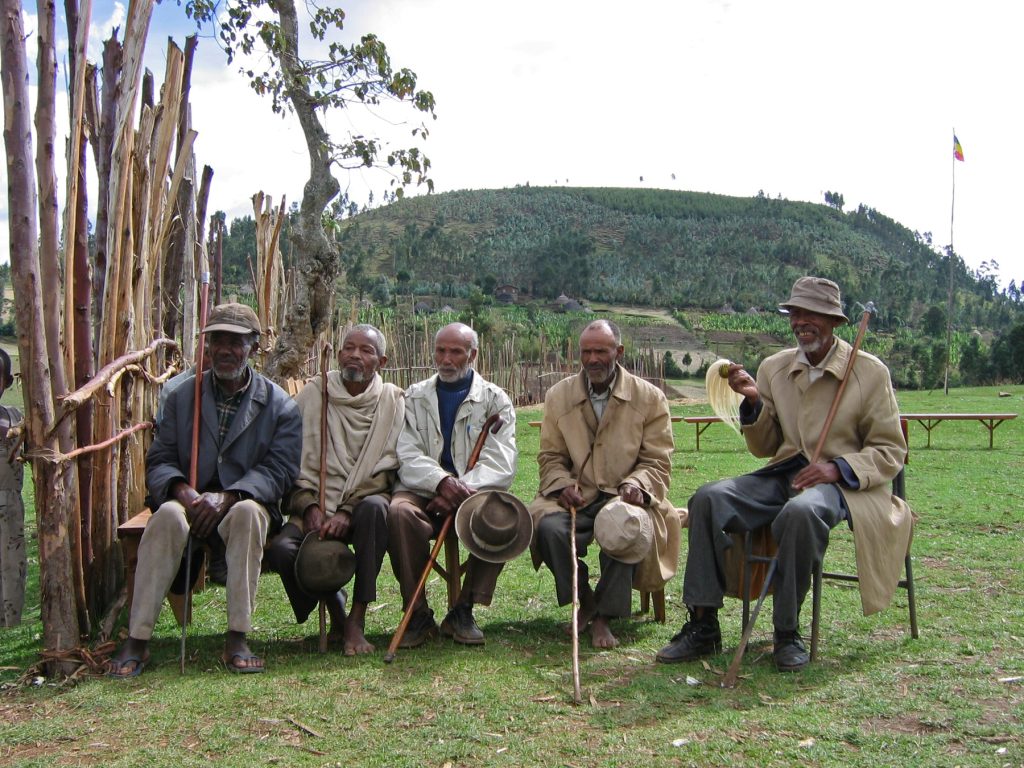
Training in these contexts is seldom solitary; community involvement fosters collective learning. Elders often share their time-honored techniques with younger generations, demonstrating methods that have stood the test of time. This communal training approach fosters not only a deeper understanding of the animals but also strengthens community bonds. Additionally, festivals and local gatherings frequently highlight these skills, where friendly competitions showcase the efficacy of different training methods.
Among the myriad of training techniques, several stand out:
- Positive reinforcement: This technique involves rewarding pets for desired behaviors, such as fetching items or responding to commands. The use of treats or praises underscores a positive feedback loop, enhancing the bond between pet and owner.
- Verbal commands: The simplicity of local phrases used to communicate with pets signifies the cultural context of the training. Commands like “come” or “stay” are imbued with local dialects that resonate with both the trainer and the animal, easing language barriers in communication.
- Socialization settings: Interaction with other animals and people is vital. Community events often allow pets to mingle, helping them learn proper behaviors and build confidence, crucial for both companionship and work.
The growing interest in animal welfare in Nigeria opens avenues for modern training methodologies that respect and incorporate these local practices. By delving into the rich tapestry of pet training in rural Nigeria, one can gain invaluable insights into not just how pets are trained, but how deeply these practices are intertwined with the cultural identity of the communities. Understanding these local nuances not only enriches the broader discourse on pet training but also cultivates respect and appreciation for the valuable role that animals play in Nigerian life.
ADDITIONAL INSIGHTS: Expand your understanding here
Traditional Training Techniques: A Closer Look
Within Nigerian rural communities, pet training often relies on a mosaic of traditional techniques and practices that resonate with the local lifestyle and culture. As the foundation of interaction between human and animal, these methods possess pragmatic qualities tailored to the environment in which they are employed. One of the most visible characteristics is the inherent relationship between a trainer and their pet, which profoundly influences how training processes unfold.
Natural instincts play a pivotal role in the effectiveness of training methodologies. Many rural trainers emphasize understanding the animal’s natural behavior and instincts before implementing any formal training regime. For instance, dogs, being pack animals, often respond more favorably to commands that mimic their natural hierarchy, such as the use of assertive tones or body language that indicates leadership. This understanding allows trainers to foster an environment where the animal feels secure and understood, facilitating learning.
Furthermore, environmental adaptation is essential in shaping training practices. Rural settings often feature diverse landscapes, from open fields to brushy savannas, which influence how animals are taught to navigate their surroundings. A dog accustomed to roaming in the fields with its owner will learn commands that pertain not just to obedience but also to situational awareness. This practical approach helps ensure the safety of the animals and the efficiency of their tasks, such as fetching water or grazing livestock.
Another cornerstone of training in rural Nigeria is the community’s involvement. The transmission of knowledge occurs through a series of interactions with elders who possess a wealth of experience. Young trainers often gather around elders to learn traditional methods passed down over generations. This not only preserves the cultural heritage associated with animal training but also cultivates a sense of community, where collective expertise enhances the training process.
- Storytelling as a Training Tool: Elders often use storytelling to convey lessons about the importance of loyalty and obedience. Intriguing tales that capture the essence of human-animal bonds instill values in young trainers while demonstrating successful training techniques.
- Imitation Techniques: Young trainers frequently apprentice under seasoned animal handlers, emulating their actions. This hands-on method promotes practical learning, where observing and imitating effective techniques leads to better training outcomes.
- Inter-generational Learning: As training philosophies are shared among different age groups, traditional practices are not only preserved but also innovated. Modern trainers blend these methods with contemporary techniques, creating a hybrid approach that respects the past while adapting to the future.
The evolution of pet training approaches in rural Nigeria illustrates the intricate interplay between culture and practicality. As communities continue to adapt to changing social dynamics, so too will the methods they employ. Innovations in animal training that originate from these insights not only contribute to better relationships between pets and their owners but also enrich the broader discourse on animal training methodologies in a global context.
Understanding Pet Training Approaches in Nigerian Rural Communities
In the vibrant tapestry of Nigerian rural communities, the art of pet training is being reshaped by cultural practices and the unique challenges residents face. Unlike urban settings, where structured training programs flourish, rural areas often employ more informal and traditional methods. This section explores these methods, highlighting their effectiveness and cultural significance.
One notable approach is the use of communal learning, where experienced pet owners share knowledge and techniques with others in their village. Social gatherings often double as training sessions, fostering a sense of community while enhancing the relationship between pets and their owners. Such interactions can lead to a more harmonious coexistence among community members and improve overall pet behavior, as dogs and other animals learn from each other in a shared environment.
Additionally, training is frequently embedded in daily activities. For instance, pets are often trained to assist in herding livestock or guarding homesteads, integrating their roles into farm life. This practical approach not only reinforces loyalty and obedience but also solidifies the bond between pets and their families, making them valuable assets in rural livelihoods.
Moreover, many owners use positive reinforcement techniques, rewarding desirable behaviors with treats or affection. This method is crucial in rural settings, where resources may be limited, yet the emphasis remains on harmony and understanding between humans and animals. Training is not merely about obedience; it reflects an understanding of the pet’s needs and instincts, leading to better behavioral outcomes.
To delve deeper into these practices, the following table summarizes key advantages of pet training approaches specific to Nigerian rural communities.
| Advantages | Description |
|---|---|
| Community Engagement | Promotes social bonds and shared knowledge among residents, enhancing local ties. |
| Practical Training | Integrates pets into daily activities, providing functional benefits to household chores and livestock management. |
| Positive Reinforcement | Encourages a bond based on trust and understanding, leading to a more obedient and happy pet. |
This understanding of pet training not only enriches the lives of animals but also fosters greater appreciation and responsibility among owners, contributing to the betterment of community life. Through innovative training techniques tailored to local contexts, rural communities in Nigeria are setting new standards in pet care and collaboration.
LEARN MORE: This related article may interest you
Modern Influences and Their Integration into Traditional Practices
While traditional training methods continue to dominate in rural Nigerian communities, the increasing exposure to modern training techniques and innovations has begun to influence how pet training is approached. As rural areas gradually embrace technological advancements and new ideas, a distinctive blend of the old and the new is emerging. This hybrid model reflects the resilience of rural trainers as they incorporate contemporary methodologies that foster improved communication and understanding between pets and their owners.
One significant modern influence is the availability of animal welfare education. Initiatives from local NGOs and animal rights organizations have shed light on the importance of compassionate training methods that emphasize positive reinforcement. For instance, the simple act of rewarding a dog with treats for obeying a command has found a place alongside traditional methods that are more authoritarian in nature. This shift is evident in the way younger generations are trained, as they are more inclined to adopt methods that align with modern animal psychology principles.
Moreover, the role of social media in disseminating information cannot be underestimated. Platforms like WhatsApp and Facebook allow rural pet owners to access a wealth of training resources, tutorials, and advice from experts around the globe. These online communities provide avenues for discussions and sharing experiences, which enhance the pet training landscape in rural Nigeria. As a result, more trainers are beginning to experiment with clicker training and other reward-based systems, thereby fostering a more collaborative training atmosphere.
Another critical factor in the modern training scene is the growing presence of veterinary services in rural areas. With more veterinarians offering services in these communities, pet owners are receiving more comprehensive guidance on caring for their animals, including training. The inclusion of health considerations in training also means that behavior problems stemming from health issues can be rectified through medical intervention. This holistic approach ultimately enhances the overall training experience and promotes the well-being of animals.
- Community Workshops: Events organized by institutions promoting animal welfare often include training workshops for community members. These opportunities not only increase awareness of humane training practices but also encourage communal participation, fostering a shared understanding of effective pet care.
- Crossover with Agriculture: In many rural settings, pets, particularly dogs, have roles that intersect with agricultural practices, such as herding or protecting livestock. Training thus often focuses on developing skills that align with their roles in the farm ecosystem, combining traditional knowledge with best practices from modern farm management.
- Customizing Techniques: Rural trainers increasingly tailor modern techniques to meet local circumstances. By adapting training exercises to fit community contexts, such as integrating local dialects or utilizing resources available in their environment, trainers create solutions that resonate well with their pets.
The convergence of traditional techniques and modern influences marks an exciting phase in the evolution of pet training approaches in Nigerian rural communities. As these adaptations continue to unfold, there is great potential for enhanced relationships between humans and their dogs, reflecting a commitment by trainers to create entertaining and educational experiences for both pets and owners. Understanding this dynamic interplay between tradition and modernization offers a glimpse into the future of animal training practices across the country and beyond.
LEARN MORE: This related article may interest you
Conclusion
In summary, the landscape of pet training approaches in Nigerian rural communities is witnessing a dynamic shift, where traditional methods harmoniously coexist with modern training techniques. This evolution speaks volumes about the adaptability and resourcefulness of individuals within these communities, as they forge a path that respects cultural practices while embracing contemporary insights.
The integration of animal welfare education and the influence of social media have played pivotal roles in shaping more compassionate training practices, encouraging pet owners to prioritize positive reinforcement over authoritarian strategies. Furthermore, the burgeoning accessibility of veterinary services ensures that training encompasses a holistic view of pet care, considering health alongside behavior. All these factors contribute to a more educated and empathetic approach to training, which ultimately benefits both pets and their owners.
As we look towards the future, the increasing blending of cultural traditions with modern methodologies promises exciting prospects for the development of pet training in rural Nigeria. The prospect of community workshops, tailored techniques, and agricultural integration will continue to enrich the pet training experience, fostering deeper connections between humans and their animals. For rural communities, this approach does not merely enhance training but also supports broader social and environmental goals, underlining the importance of collaboration and innovation in veterinary care and animal husbandry.
To truly revolutionize pet training in Nigeria’s rural areas, continued efforts to share knowledge, resources, and best practices are essential. Engaging the younger generations through education and community initiatives will further solidify a future where responsible pet ownership and effective training techniques go hand in hand, ensuring the well-being of animals and the enhancement of community life.