Pet Training Methods to Raise Awareness about Nigerian Wildlife Conservation
Understanding the Intersection of Pet Training and Wildlife Conservation
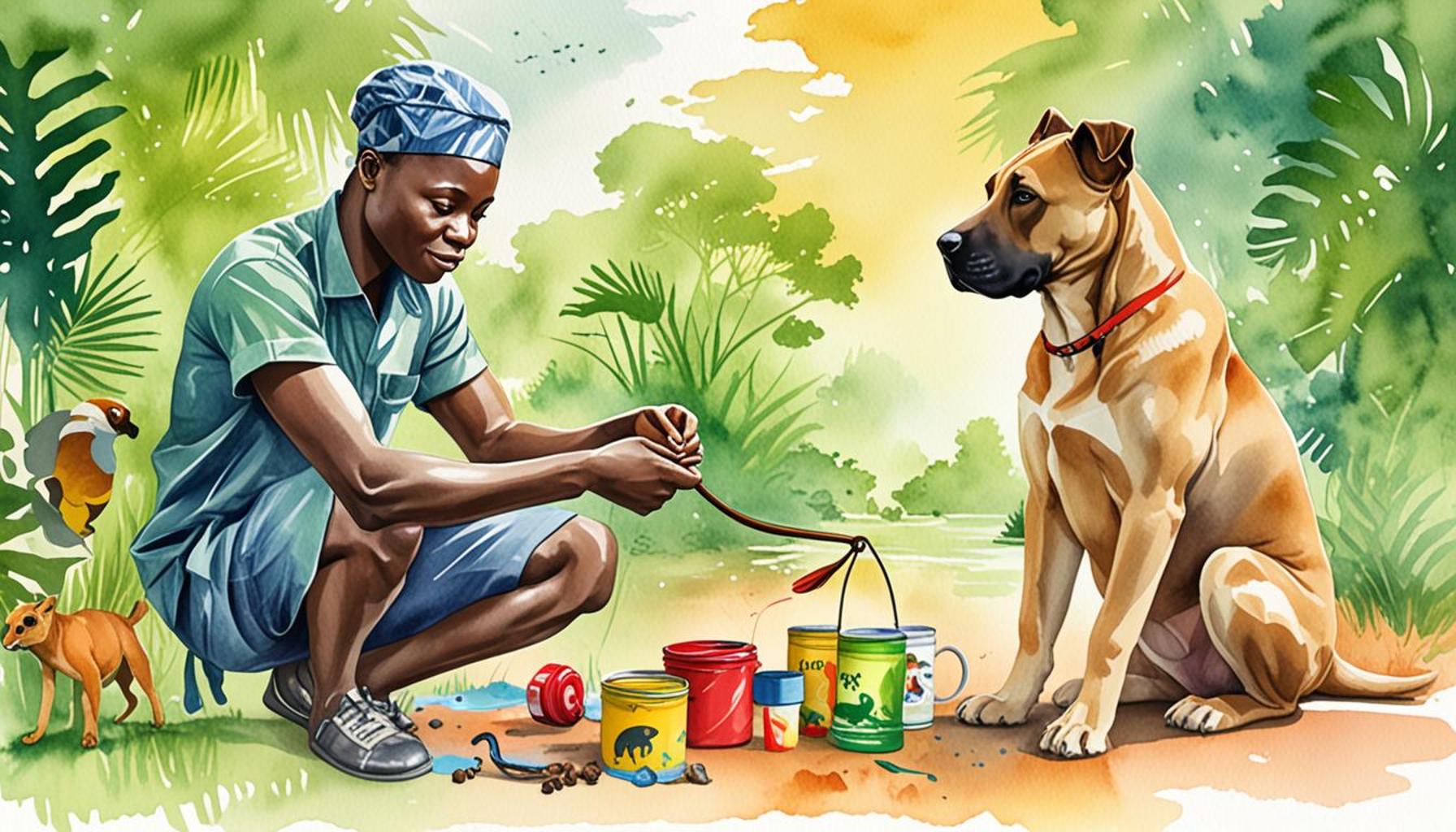
Pet training extends far beyond basic obedience; it can advocate for a cause much larger than ourselves: raising awareness about Nigerian wildlife conservation. Through creative training methods, pet owners have the unique opportunity to instill a sense of responsibility towards the environment in both their pets and the wider community. Educational training techniques not only serve to entertain but also to inform, creating a foundation of knowledge about the diverse ecosystems that Nigeria boasts.
To better illustrate this connection, let’s explore various pet training methods that can effectively raise awareness:
- Nature walks: Organizing guided nature walks where pets and their owners explore local parks, wetlands, or nature reserves allows participants to witness natural habitats firsthand. For example, visiting the Lekki Conservation Centre can evoke a genuine appreciation for Nigeria’s wildlife, including species like the endangered Nigerian-Cross River gorilla. Such experiences enhance empathy and provoke discussions about conservation efforts needed to protect these habitats.
- Wildlife-themed commands: Training pets with commands that have wildlife conservation messages can be a playful yet educational venture. For instance, teaching dogs to respond to commands like “endanger” or “preserve” during training sessions can spark conversations about local endangered species such as the African grey parrot or the rare Nigerian hippo. Through these dialogues, owners can learn more about the challenges facing wildlife in their own neighborhoods.
- Community training sessions: Involving community members in group pet training classes can strengthen the community’s ties to wildlife conservation. For example, a local training session might also include guest speakers from conservation organizations discussing the importance of biodiversity, such as the Nigerian Conservation Foundation. This collective engagement fosters a sense of shared purpose and responsibility, encouraging pet owners to adopt better practices in their daily lives.
The key to successful training lies in using interactive and enjoyable techniques that not only captivate the pets but also the owners. Understanding Nigerian wildlife starts with enhancing awareness and providing educational resources, two cornerstones of effective conservation culture. Encouraging conversations around conservation while engaging in pet training cultivates a sense of responsibility within the community, allowing it to thrive alongside nature.
Ultimately, by employing these creative training methods, we can transform our pets into enthusiastic ambassadors for Nigeria’s rich yet threatened wildlife. They can motivate their owners and the greater community to advocate for wildlife preservation and sustainability. By initiating these efforts at home and within communities, we establish a shared commitment towards safeguarding the natural heritage that defines Nigeria.
SEE ALSO: Click here to read another article
Innovative Training Techniques to Foster Environmental Awareness
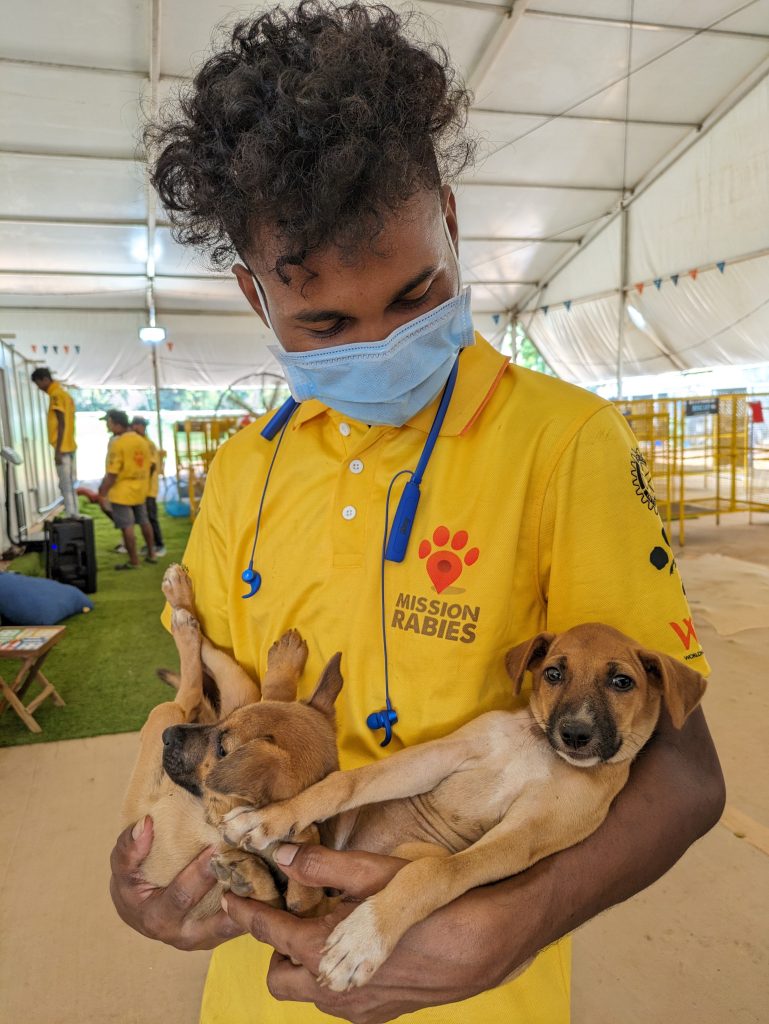
Pet training is often perceived solely as a means to ensure that our furry companions follow commands and engage in proper behavior. However, embracing the opportunity to intertwine pet training with wildlife conservation can elevate the purpose of training sessions into meaningful community experiences. By integrating conservation principles into our pet training routines, we can nurture a generation that not only respects but also actively contributes to the welfare of Nigerian wildlife.
One of the most impactful training techniques involves using interactive storytelling activities. These sessions can be designed around Nigerian wildlife, engaging pets and their owners in discussions about various species and their habitats. For instance, a training class could incorporate narratives about the majestic African elephant and the threats it faces from poaching. By role-playing scenarios where dogs may “rescue” plush toy elephants, owners can learn critical facts about conservation while their pets have fun, thereby deepening their understanding of what wildlife conservation is all about.
Another effective method is the use of environmental enrichment exercises. By creating activities that simulate natural habitats for pets, we encourage them to think and act like their wild counterparts, while also informing their owners. Training sessions can include obstacle courses that mimic the Nigerian savannah, allowing pets to understand the importance of their instinctual behaviors. As owners guide their pets through these exercises, they can discuss how various species navigate their ecosystems, thus highlighting the delicate balance of nature.
Community involvement remains a cornerstone in wildlife conservation advocacy. Organizations can organize “Pet and Wild” themes for group training sessions that invite local pets and their owners to participate. During these sessions, various wildlife professionals can provide insights into Nigeria’s biodiversity. Workshops on topics like the preservation of the Nigerian-Cross River gorilla can be an engaging platform for owners to learn while fostering a community of conservation-minded individuals. This kind of educational outreach not only empowers pet owners but inspires them to be active participants in conservation efforts.
Additionally, employing reward-based training methods can be further enhanced by including elements that tie back to wildlife advocacy. For example, snacks can be labeled with names of endangered species, and each successful command followed by a snack reward not only reinforces training but fosters dialogue. Owners can learn about the African grey parrot or the Nigerian hippo through these small interactions, creating a natural curiosity about how they can support conservation initiatives.
Incorporating these innovative training techniques into pet routines not only helps build strong bonds between pets and their owners but also serves to nurture a collective consciousness about the pressing need to protect Nigeria’s wildlife. By fostering a culture centered on conservation through pet training, we can be part of a movement that actively mobilizes communities to advocate for the ecosystems that are critical to our collective heritage.
| Training Method | Advantages |
|---|---|
| Positive Reinforcement | Enhances learning and establishes a strong bond between pet and owner, fostering a deeper understanding of Nigerian wildlife conservation issues. |
| Interactive Training Techniques | Encourages curiosity and engagement while allowing pets to experience and appreciate the significance of wildlife, leading to greater awareness and advocacy. |
| Socialization Skills | Promotes empathetic behavior towards animals and enhances community outreach about the challenges facing Nigerian wildlife. |
| Observation Training | Enhances the ability to notice and respond to environmental cues, thereby fostering an understanding of ecosystems and wildlife preservation. |
Incorporating these pet training methods not only contributes to a pet’s well-being but also plays a crucial role in raising awareness about the beauty and fragility of Nigerian wildlife. By employing techniques such as positive reinforcement, pet owners can create bonding experiences, which subsequently translate into a nurturing environment where discussions about conservation can thrive. Interactive training encourages pets to connect with their surroundings, prompting discussions on the biodiversity of Nigeria and the urgent need for conservation efforts. As we nurture our pets’ social skills, we also cultivate a sense of responsibility towards wildlife, reinforcing community awareness and support. Observation training further amplifies this initiative, empowering pet owners to recognize their pets as ambassadors for wildlife conservation. These training methods create an enriching experience where the bond between pets and humans becomes a platform for educating others on the importance of protecting Nigeria’s unique wildlife heritage.
RECOMMENDED: Check out this similar article
Building Community through Wildlife Conservation Training
One of the most compelling avenues for merge pet training and wildlife conservation is through collaborative community events. By organizing workshops and training sessions in local parks or community centers, pet owners can engage with their neighbors while learning about Nigeria’s unique ecosystems. These events can feature local wildlife experts who share insights into key species, such as the critically endangered Nigerian-Cross River gorilla. Not only do these interactions inspire pet owners, but they foster a sense of community responsibility towards wildlife conservation.
Moreover, introducing pet-centric competitions that include themes of wildlife conservation can further engage the public. For example, “Best Eco-Friendly Trick” contests can encourage pet owners to create tricks that reflect the behaviors of different Nigerian wildlife. This not only entertains but educates participants about these species’ survival instincts. Onlookers and participants alike can discuss the threats these animals face and ponder on solutions, creating a ripple effect of awareness throughout the community.
Utilizing virtual platforms can also amplify the reach of wildlife education efforts. Live online training sessions can incorporate educational sessions about Nigerian wildlife, enabling pets and their owners to participate from the comfort of their homes. Additionally, social media campaigns using hashtags such as #PetsForWildlifeNigeria can spread awareness further, encouraging pet owners to share their training experiences while highlighting conservation stories. This type of digital interaction can engage younger audiences, tapping into their interests and proclivity for social media, to help raise a broader consciousness of wildlife issues.
In the realm of positive reinforcement within training methods, innovative concepts like implementing “conservation action days” can be an enriching experience for pets and their owners. Each successful training session can culminate in actionable steps, such as planting trees, cleaning local parks, or participating in habitat restoration projects. By tying training achievements with direct action benefiting local wildlife, owners can tangibly see the impact of their efforts, thus enhancing the training experience. This dual focus cultivates an understanding of biodiversity and practical conservation, making both training for pets and the owner’s awareness more impactful.
A compelling way to inspire pet owners is through story-based training techniques that utilize Nigeria’s rich cultural traditions. For instance, incorporating folktales about the lion, leopard, or other wildlife into training routines can take owners on a narrative journey while executing commands with their pets. These stories can illuminate the cultural significance of wildlife in Nigerian society, driving a deeper connection and sense of purpose among the community regarding conservation efforts.
Furthermore, engaging local schools in pet training partnered with conservation education serves to inspire the leaders of tomorrow. Children can participate in training sessions that involve role-playing with pets, learning about endangered species in Nigeria while practicing commands. This hands-on approach can foster empathy and responsibility in young individuals, instilling a commitment to conservation from an early age.
By embracing these diverse and innovative training methods, both pets and owners can become advocates for Nigerian wildlife conservation in their communities. Each training session not only reinforces good behavior among pets but transforms them into vehicles of education and awareness about the unique ecosystems that surround them. Ultimately, incorporating conservation initiatives into everyday interactions with pets can spark a movement that encourages collective action towards the preservation of Nigeria’s invaluable wildlife.
CHECK OUT: Click here to explore more
Conclusion: Advocating for Conservation through Pet Training
The integration of pet training methods with wildlife conservation awareness in Nigeria not only presents a creative approach to animal training but also highlights the vital need to protect our unique biodiversity. By engaging communities through collaborative events, competitions, and educational workshops, we create opportunities for pet owners to learn about their indigenous wildlife, such as the Nigerian-Cross River gorilla, while enhancing the bond with their pets. This multifaceted engagement fosters a shared sense of responsibility and empowers individuals to take action.
Moreover, the utilization of virtual platforms ensures that the reach of these conservation efforts extends beyond geographical limitations, catering to a younger generation that is increasingly drawn to online interactions. Social media campaigns are key in spreading awareness, sparking conversations about wildlife challenges, and sharing solutions. Additionally, adopting story-based training techniques rooted in Nigerian culture can cultivate a deep-seated appreciation for wildlife, elevating conservation messages through engaging narratives.
As we champion conservation action days and foster a culture of empathy in children, we not only prepare future leaders to advocate for wildlife but also create lifetime defenders of our natural heritage. Thus, the convergence of pet training and wildlife conservation is a promising path that offers various avenues to positively impact both pets and the environment. It is essential that we continue to build on these initiatives, inspiring collective action and making strides towards the preservation of Nigeria’s invaluable wildlife for generations to come. The call to action is clear: let us train our pets not just to obey commands, but to advocate for a noble cause—saving our wildlife and nurturing our ecosystem.