Positive Dog Training Methods Build a Healthy Bond with Your Pet

Building a Healthy Bond with Your Canine Companion
Developing a strong and harmonious relationship with our dogs is essential for both their well-being and ours. Positive dog training methods have emerged as effective techniques that foster trust, understanding, and cooperation between pets and their owners. Embracing these techniques not only enhances obedience but also creates a loving environment where both parties thrive.
As pet owners, understanding the fundamentals of positive reinforcement can significantly influence behavior and reinforce good habits. By utilizing reward-based training, we encourage desired actions without the stress of punitive measures. This approach leads to a more engaged and happy dog, making training a joyous experience.
In this article, we will explore the Top 5 positive training methods that can transform your bond with your furry friend. These techniques are designed to be accessible, practical, and above all, effective in nurturing a lifelong companionship.
Positive Training Methods for Dogs: Building a Healthy Bond with Your Pet
Positive training techniques have become increasingly popular among dog enthusiasts. These practices not only create a pleasant learning environment for pets but also help in forging a healthy bond between the owner and the animal. In this article, we will delve into the five principal approaches that not only enhance communication but also strengthen the relationship between you and your furry companion.
5. Use of Food Rewards
The first method to explore is the use of food rewards. This technique involves rewarding the dog with treats whenever it performs a desired action. This method is particularly effective, especially for puppies, as food motivation is often quite strong. Offering a tasty treat serves as an immediate gratification, making it easier for the dog to associate positive behavior with positive outcomes.
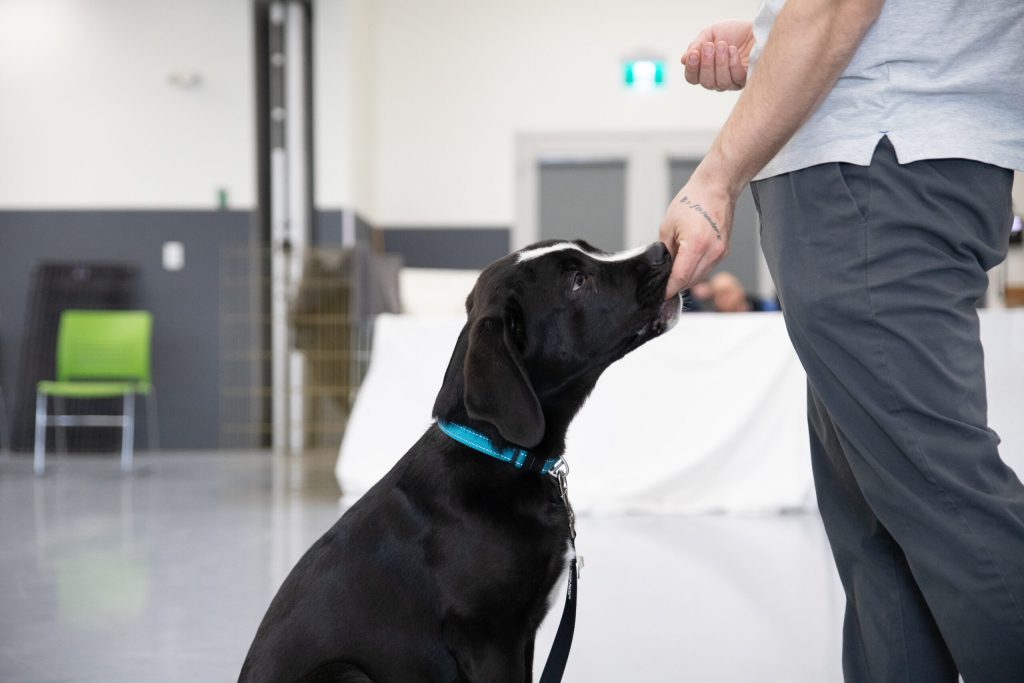
- Immediate Reward: The reward should be given right after the correct action to associate the behavior with the reward.
- Diversity of Treats: Vary the types of treats to keep the dog’s interest high.
- Moderation: Avoid overloading your dog with calories and choose healthy treats.
Over time, you can gradually replace food rewards with praises and affection, which helps in establishing trust and a deeper emotional connection. This gradual transition ensures the dog values the bond with the owner beyond just food.
4. Clicker Training
Clicker training is a method that uses a device that emits a clicking sound to mark desired behaviors. The clicker acts as a useful tool for reinforcing specific actions, as it provides clear and immediate feedback. To implement this method, follow these steps:
- Associate the click with a reward.
- Use the click each time the dog acts as desired.
- Gradually increase the complexity of commands.
This technique can be extremely beneficial for learning tricks and commands, while also reinforcing the bond between the pet and the owner through enjoyable interactions. The process of clicker training is engaging, turning training sessions into games that both the dog and owner can enjoy.
3. Positive Conditioning
Positive conditioning is a fundamental concept in training techniques and involves combining positive reinforcements with a favorable learning environment. The main idea is to encourage the dog to repeat behaviors that are rewarded. To apply positive conditioning effectively, consider the following:
- Use consistent commands to avoid confusion.
- Avoid physical or verbal punishment, which can breed fear and distrust.
- Be patient and consistent with training efforts.
This method of training can lead to significant behavioral improvements and help pets feel more secure in their relationships. It creates a positive and supportive environment where dogs feel encouraged to express good behavior.
2. Environmental Enrichment
Environmental enrichment involves creating a stimulating environment for your dog, which can help reduce problematic behaviors and promote more effective learning. This can include various strategies:
- Interactive toys that challenge the dog’s intellect.
- A variety of activities, such as walks in different locations and socialization with other dogs.
- Regular training sessions to keep the dog’s mind and body active.
This method not only supports the learning of commands but also provides a space where the dog feels happy and fulfilled. By diversifying the dog’s routine, you prevent boredom and the natural disruptive behaviors that might follow.
1. Building a Bond Through Communication
At the forefront of training is the building of a bond through communication. This method is crucial for establishing a healthy and trusting relationship between you and your dog. Here are some tips to enhance communication:
- Observe your dog’s body language to understand their needs and emotions.
- Use a friendly and positive tone of voice to create a comforting environment.
- Spend dedicated time interacting with your pet outside of training sessions.
Building a solid bond with your dog not only improves the training process but also results in a happier and more balanced animal. This relationship, based on mutual respect and understanding, forms the foundation of effective training.
In conclusion, the use of positive training methods can transform the dynamic between you and your canine companion. By employing techniques such as food rewards, clicker training, positive conditioning, environmental enrichment, and effective communication, you can foster a nurturing and fulfilling relationship. These methods demonstrate that through kindness and understanding, we can achieve better communication, behavior, and overall happiness in our pets’ lives. As we continue to embrace these approaches, both pet and owner can benefit from a harmonious and joyful coexistence.
| Training Method | Description and Benefits |
|---|---|
| Clicker Training | A popular and effective method that uses a small device that makes a clicking sound to mark desired behaviors. This technique enhances communication between trainer and dog, promoting a clear understanding of what behavior is being rewarded. Studies have shown that dogs trained with clickers learn faster and retain information longer. |
| Positive Reinforcement | This technique involves rewarding dogs with treats, praise, or toys for desired behaviors, creating a positive association. This method increases a dog’s motivation to perform specific actions and strengthens the bond between pet and owner. Research indicates that positive reinforcement fosters a better emotional state in dogs, leading to improved overall well-being. |
| Behavior Shaping | This method involves breaking down complex behaviors into smaller, manageable steps, allowing dogs to learn gradually. By rewarding each small step towards the desired behavior, trainers can facilitate learning without causing frustration. This structured approach helps in building confidence in dogs, making them more eager to learn. |
| Socialization | Exposing dogs to various environments, people, and other animals in a controlled way teaches them to be adaptable and confident. Positive social experiences reduce anxiety and fearfulness in dogs. Experts emphasize that early socialization is crucial for developing well-rounded adult dogs. |
Integrating these positive training methods not only nurtures a healthy relationship with your dog but also fosters effective communication, encouraging your pet to express themselves in a stress-free environment. The essence of positive training lies in the connection it builds – a bond rooted in trust, respect, and a shared joy for learning.
Frequently Asked Questions about Positive Dog Training Methods
What exactly is positive reinforcement in dog training?
Positive reinforcement in dog training refers to the practice of rewarding a dog for exhibiting the desired behavior. The rewards can include treats, praise, or playtime, and focus on encouraging good behaviors rather than emphasizing the bad. This method is rooted in behavioral psychology, which suggests that actions followed by reinforcing stimuli are more likely to recur. The emphasis is on creating a well-rounded training experience that strengthens the bond between the pet and the owner.
Are there any scientific studies that support this method?
Yes, there is a substantial body of scientific research that supports positive reinforcement techniques. Studies have shown that dogs trained with positive methods tend to be more focused and less stressed than those trained with traditional punitive methods. Research published in journals like the Journal of Veterinary Behavior suggests that positive reinforcement not only improves a dog’s learning but also enhances their emotional wellbeing. As such, it is widely endorsed by veterinarians and animal behaviorists.
Can positive training methods be effective for all dog breeds?
Positive training methods are generally effective across all breeds and ages. While some breeds may have specific characteristics or predispositions, every dog can benefit from these techniques. It may require some adjustment in approach depending on the individual dog’s personality, but the foundational principles of rewarding desired behavior can be universally applied. Owners might find that the success of these techniques often depends on consistency and patience.
What are the challenges of implementing positive training methods?
While positive reinforcement is highly effective, it requires consistency, patience, and timing. One of the greatest challenges is ensuring that the reward is given immediately after the desired behavior is exhibited, which strengthens the association. Additionally, owners must ensure that they do not inadvertently reward undesirable behaviors. Understanding the nuances of body language and timing is crucial for success. Owners may benefit from guidance from professional trainers to fine-tune their technique.
How can these methods improve the relationship with my pet?
Positive training methods can significantly enhance the relationship between you and your dog. By focusing on rewarding good behavior, these methods foster trust and mutual respect. Instead of fearing punishment, your dog will learn to anticipate positive outcomes from good behavior, thus building a stronger, positive bond. This approach encourages a more harmonious relationship and can lead to a happier, more confident dog.
Building a Stronger Bond Through Positive Training
In summary, utilizing positive training methods for dogs is not only about teaching obedience, but also about fostering a profound connection with your pet. By adopting approaches centered on rewards and encouragement, dog owners can create an environment where pets feel safe, valued, and eager to learn. The emphasis on positive reinforcement reaffirms the invaluable notion that kindness yields cooperation, leading to better-behaved companions and happier households.
Throughout the article, we’ve explored the core techniques intrinsic to effective positive training. From the strategy of using treats and praise to reinforce good behavior, to the importance of patience and consistency, each method contributes to a stronger, healthier bond between humans and their canine friends. Moreover, the benefits extend far beyond basic obedience, as these methodologies can also enhance a dog’s mental health and mitigate anxiety.
The Significance of Understanding
Understanding your pet’s unique needs and emotions is pivotal to successful training. Employers of positive methods consistently demonstrate improved communication and harmony with their pets. This not only underlines the wisdom of such training strategies but also emphasizes the potential for owners to cultivate a more responsive and trusting relationship.
Overall, embracing positive training approaches provides dog owners with a meaningful pathway to nurture affection and loyalty. As society continues to value humane and respectful animal care, these methods stand as a testament to the evolving comprehension of canine psychology. By continuing to explore and implement positive training, we can pave the way to a future where every dog enjoys not just a home, but a loving, understanding partnership with their human counterparts.