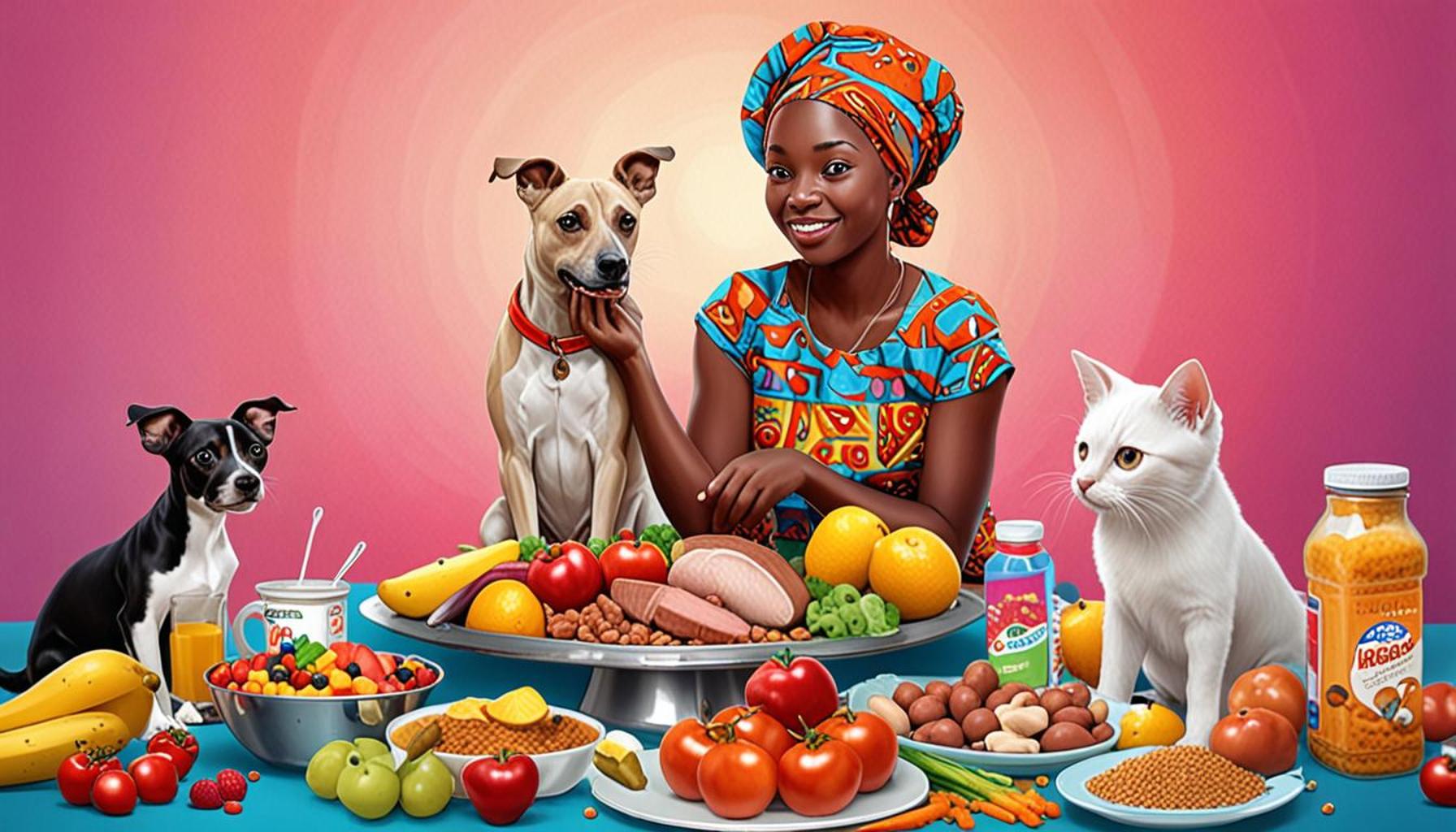
The Importance of Balanced Nutrition for Dog Health in Nigeria
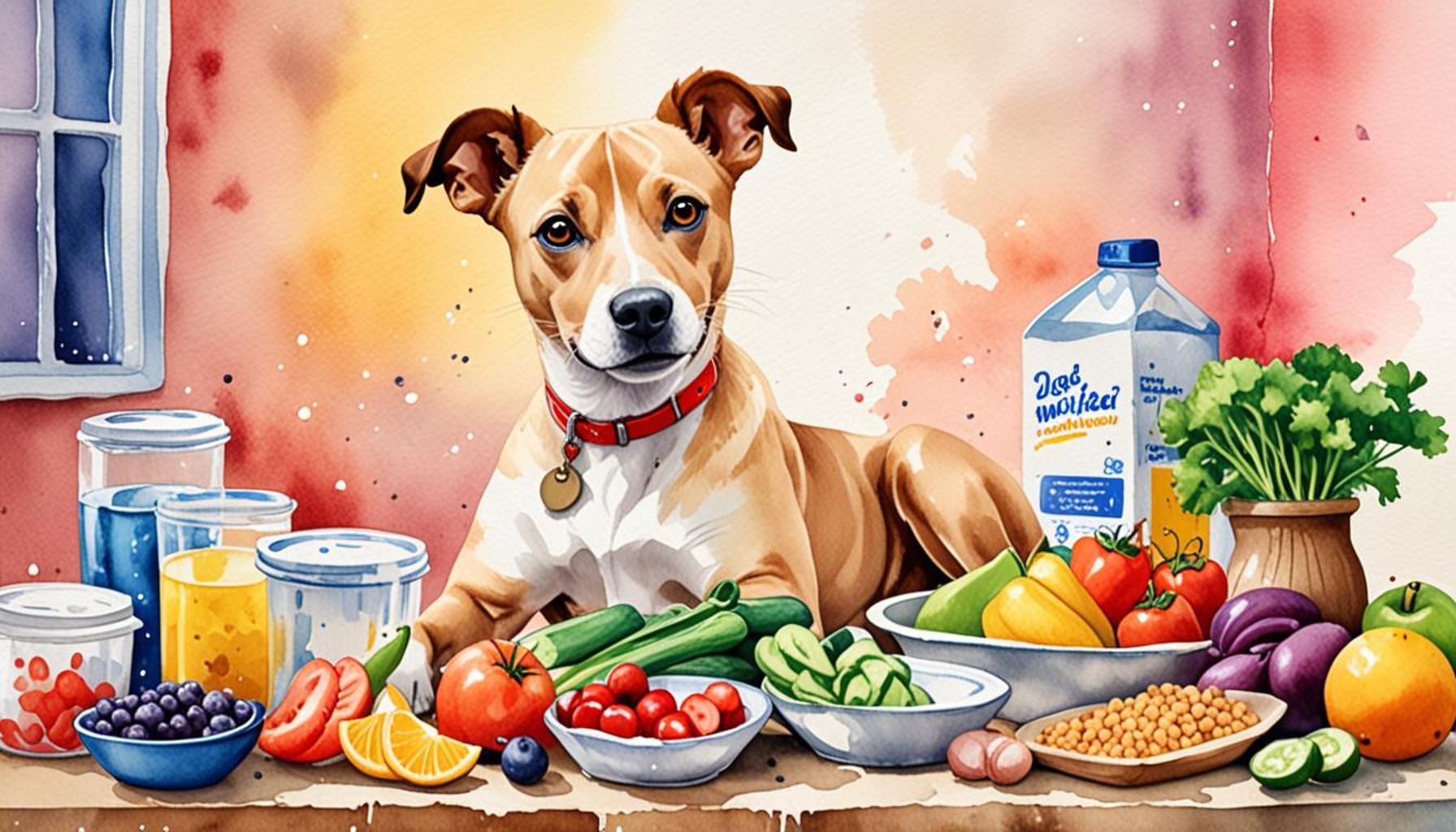
The Link Between Nutrition and Health for Dogs
The health of your dog is closely tied to what they eat. In Nigeria, where traditional diets sometimes fall short of providing adequate nutrition, it’s essential for pet owners to focus on balanced nutrition for their furry friends. Ensuring that your dog receives the right balance of nutrients can significantly improve its overall well-being. A well-nourished dog not only displays increased energy levels but also has a lower risk of developing chronic health issues.
A proper diet for dogs includes a variety of food groups, each contributing to different aspects of health. Key components for dog health include:
- Proteins: Vital for muscle development, proteins serve as the building blocks for growth and repair. Sources such as chicken, fish, and even legumes can provide your dog with essential amino acids necessary for maintaining muscle mass.
- Carbohydrates: These are paramount for providing energy for daily activities. Carbohydrates can come from sources like rice, yams, and oats — staples found in the Nigerian diet that can serve as excellent sources for canine nutrition.
- Fats: Healthy fats are essential for a shiny coat and healthy skin, playing a crucial role in cushioning internal organs and supporting cell growth. Ingredients like fish oil not only improve coat quality but also support cognitive function.
- Vitamins and minerals: These nutrients support immune function, promote healthy growth, and contribute to optimal physiological functioning. Incorporating fruits and vegetables such as carrots, spinach, or even pawpaw can boost your dog’s vitamin intake.
In Nigeria, many dog owners may unknowingly feed their pets inadequately balanced meals. Factors such as:
- Access to quality dog food: Urban areas may have better access to premium dog foods, but rural regions often face shortages or lack the necessary options for high-quality nutrition.
- Local dietary customs: Many owners may rely on table scraps or local traditional foods, which may not fulfill all of a dog’s dietary needs, leading to deficiencies or imbalances.
- Affordability of specialized pet food: With a range of commercial dog food brands available, the cost can often deter pet owners from purchasing the best options available.
Recognizing these challenges is vital for improving the diet of our canine companions. Pet owners can enhance their dogs’ meals by combining affordable local ingredients with quality pet food. For example, mixing cooked rice or yam with boiled meat and vegetables can create a more balanced meal while considering economic constraints.
This article delves into the significance of balanced nutrition for dogs in Nigeria and aims to offer insights into how to optimize your pet’s diet for a longer, healthier life. By making informed choices about diet, you can ensure that your dog thrives in both health and happiness.
CHECK OUT: Click here to explore more
Understanding Nutritional Needs of Dogs
To foster a healthy and active lifestyle for your dog, it is crucial to comprehend the specific nutritional needs that resonate with their biological makeup. Dogs, much like humans, require an array of nutrients for optimal functioning, but their needs reflect their unique physiology and energy levels. In Nigeria, where dogs often face nutritional challenges, understanding these needs could lead to a significant improvement in their health outcomes.
The basic requirement for a dog’s diet should ensure a precise balance between proteins, carbohydrates, fats, vitamins, and minerals. Each component plays a distinct role, and neglecting any one of them can lead to health complications:
- Proteins: Dogs are known as carnivores by nature, and protein is indispensable for their muscle development, immune function, and overall growth. High-quality sources such as chicken, beef, and fish not only provide essential amino acids but also promote recovery from illness and injury.
- Carbohydrates: While often overlooked, carbohydrates are a significant energy source for dogs, enabling them to perform daily activities. Common Nigerian staples like rice, yams, and maize can be great energy boosters when appropriately prepared and combined with proteins.
- Fats: Healthy fats are a source of energy and are vital for maintaining skin health and a lustrous coat. Adding fish oil or sunflower oil can enhance the quality of your dog’s skin and fur while also providing essential fatty acids that contribute to their cognitive health.
- Vitamins and minerals: Every dog requires a variety of vitamins and minerals to bolster their immune system and maintain vital body functions. By incorporating local vegetables like carrots, spinach, and pumpkin into their diet, owners can ensure their pets receive necessary nutrients for robust health.
Despite the fundamental importance of these nutrient groups, numerous dogs in Nigeria are fed imbalanced diets. The common tendency to offer table scraps or heavily rely on local traditional foods often leads to nutritional deficiencies. Many pet owners may not realize that certain foods safe for human consumption, like onions or chocolate, can even be toxic to dogs. This reality emphasizes the need for education on appropriate dog nutrition.
Moreover, the perception of affordability remains a crucial barrier. With many premium dog food brands on the market, the cost can deter pet owners from opting for better nutrition. This means that finding a balance between local affordability and nutritional quality is vital. Mixing affordable, dog-friendly ingredients with high-quality commercial food can form a viable solution. An example includes preparing rice with chicken and assorted vegetables, which not only ensures a nutritious meal but also adheres to a budget.
As dog owners in Nigeria become more aware of these essential dietary needs, the path to better dog health becomes apparent. Providing balanced nutrition is not merely an option, but a requisite for nurturing a long, healthy life for our four-legged companions.
| Advantage | Explanation |
|---|---|
| Improved Longevity | Balanced nutrition plays a vital role in extending a dog’s lifespan. Proper dietary choices can prevent chronic diseases and enhance overall life quality. |
| Enhanced Energy Levels | Dogs fed with a balanced diet exhibit increased vitality and stamina, allowing them to engage more actively in play and exercise, which is essential for their health. |
| Healthy Weight Management | A proper diet helps maintain a dog’s ideal body weight. Weight management significantly reduces the risk of heart disease and joint issues, which are prevalent among pets. |
| Stronger Immune System | Good nutrition strengthens a dog’s immune system, ensuring better resilience against diseases. A strong immune response is crucial for combating illnesses prevalent in Nigeria. |
In Nigeria, the importance of balanced nutrition for dogs cannot be overstated. Given the environmental challenges, such as climate and prevalent diseases, providing dogs with the right nutrients is essential for their holistic health. A tailored diet rich in proteins, vitamins, and minerals fosters healthy growth and development, allowing dogs to thrive in various life stages. Furthermore, with the rise of pet ownership and the increasing awareness of canine health, it is imperative for dog owners to recognize the sustained benefits of maintaining a balanced diet. Investigating regional availability of quality pet food sources and educating communities regarding nutritional requirements can significantly impact dog health outcomes in Nigeria.
YOU MAY ALSO LIKE: Read read another article
Recognizing Local Dietary Influences
In Nigeria, the factors that influence dog nutrition extend beyond mere dietary knowledge; they also encompass cultural practices, economic conditions, and regional availability of food sources. Understanding these influences is essential for promoting balanced nutrition among dogs and addressing the nutritional gaps that exist in many households.
One notable aspect of Nigerian culture is its rich variety of traditional foods, many of which can indeed be integrated into dog diets if prepared correctly. Ingredients such as plantains, beans, and various legumes are commonly found in homes and can serve as nutritious fillers when combined with proteins. For instance, a blend of beans and meat could provide both necessary protein and complex carbohydrates, creating a wholesome meal that caters to a dog’s nutritional needs.
The use of animal by-products in some Nigerian regions can also play a role in achieving a balanced diet. Offal, which includes organs like liver and kidneys, can be beneficial in moderation, as they are nutrient-dense. These by-products are often inexpensive and accessible, making them an attractive option for dog owners who may be budget-conscious. However, it is essential that these ingredients are prepared hygienically to avoid any health risks to the pets.
Embracing Nutritional Education
Despite the importance of a balanced diet, many pet owners lack the essential knowledge to make informed decisions regarding their dogs’ nutritional needs. Educational initiatives aimed at informing the public about balanced dog nutrition can be instrumental. Collaborations between veterinarians, pet food manufacturers, and local communities can foster awareness about the nutritional needs of dogs and the importance of steering clear from harmful foods.
For example, local veterinary clinics can host workshops or seminars tailored to dog owners, focusing on practical dietary solutions. These gatherings can include demonstrations on how to prepare tailored dog meals using locally available ingredients, addressing concerns such as cost while enhancing the overall well-being of dogs. A better understanding of dietary restrictions, such as avoiding foods that are toxic to dogs, can prevent medical emergencies, which can arise from nutritional ignorance.
The Role of Community and Policy
Furthermore, advocacy for improved standards in dog food production is another avenue that can promote balanced nutrition. Regulatory bodies could establish guidelines ensuring that commercial dog food products contain requisite nutrient levels and disclose ingredients transparently. Encouraging the local production of affordable yet nutritionally balanced dog food can alleviate the burden on pet owners who face financial limitations while seeking quality nourishment for their pets.
Community efforts can also play a role in improving dog health. Engaging pet owners in discussions about animal welfare, nutrition, and responsible pet ownership can lead to a shift in attitudes toward how dogs are cared for in Nigeria. By fostering a sense of community responsibility, residents can work together to ensure that every dog receives the nourishment necessary for a healthy life.
It is clear that while challenges persist regarding dog nutrition in Nigeria, proactive efforts can pave the way for improved dietary practices. Adapting to the unique cultural and economic landscape, harnessing local resources, and enhancing education surrounding dog health and nutrition will have lasting impacts on canine health and overall vitality.
RECOMMENDED: Check out this similar article
Conclusion: A Path Toward Healthier Canines in Nigeria
In conclusion, understanding and implementing balanced nutrition for dogs in Nigeria is paramount for their overall health and well-being. As we navigate through the unique cultural and economic landscapes, it becomes crucial for dog owners to recognize the diverse local food sources that can be integrated into pet diets. By utilizing ingredients that are both nutritious and readily available, such as plantains, beans, and animal by-products, we can create meals that meet the essential dietary needs of our furry companions.
Furthermore, the role of education cannot be overstated. Empowering pet owners with knowledge through community initiatives and workshops will enable them to make informed nutritional choices, ultimately preventing health issues rooted in poor diets. Local veterinarians and pet organizations must continue to advocate for accessible and balanced dog food options, ensuring that every owner, regardless of their economic circumstances, can provide appropriate nutrition for their pets.
By fostering a culture of shared responsibility towards dog health and nutrition, communities can play a significant role in improving the quality of life for dogs across Nigeria. Ultimately, through concerted efforts in education, community engagement, and responsible pet ownership, we can ensure that dogs receive the nurturing they deserve, paving the way for vibrant, healthy lives that reflect the spirit of companionship they bring into our households.