The importance of prior planning in optimizing minimalist spaces
Understanding the Value of Prior Planning
In the quest for minimalist living, the significance of prior planning cannot be overstated. Creating a serene and functional minimalist space requires more than just a few design choices; it involves strategic foresight. The right approach not only enhances aesthetics but also maximizes functionality.
A key aspect of planning is effective space utilization. In many urban areas across the United States, particularly in cities like New York and San Francisco, living spaces are often limited. Thoughtful design and prior planning allow for the optimal use of every square inch. For instance, incorporating multi-functional furniture—such as a sofa bed or an ottoman with storage—can transform a small room, providing both comfort and practicality. This approach not only preserves open space but also contributes to a clean and uncluttered environment.
- Clutter Management: Prioritizing essential items is vital in maintaining a clean and soothing atmosphere. Minimalism emphasizes quality over quantity, which means carefully assessing what belongings truly serve a purpose in your life. Strategies such as the “one in, one out” rule, where you remove one item for each new item you bring in, can be particularly effective. This method encourages mindful purchasing and helps keep clutter at bay.
- Budget Control: Understanding your needs can prevent overspending on unnecessary decor. Prior planning allows individuals to establish a clear budget that reflects their minimalist goals. For example, instead of impulsively buying trendy decor items, having a defined budget can lead to investing in timeless pieces that resonate with your minimalist aesthetic and are built to last.
As individuals across the United States embrace the minimalist lifestyle, the importance of careful preparation becomes even more apparent. Not only does this approach promote a visually appealing atmosphere, but it also helps create spaces that cater to demanding lifestyles filled with numerous responsibilities. A well-organized home can contribute to decreased stress and increased productivity, as it allows for a clearer mind.
In conclusion, exploring how a thoughtful approach to minimalist spaces fosters harmony and efficiency is crucial for those looking to enhance their living experience. By recognizing the value of prior planning, individuals can ensure their spaces are not just aesthetically pleasing, but also supportive of their daily lives. As the minimalist movement continues to gain traction, the emphasis on careful curation of one’s environment is more relevant than ever.
DISCOVER MORE: Click here to enhance your mindfulness journey
Strategic Design for Maximum Efficiency
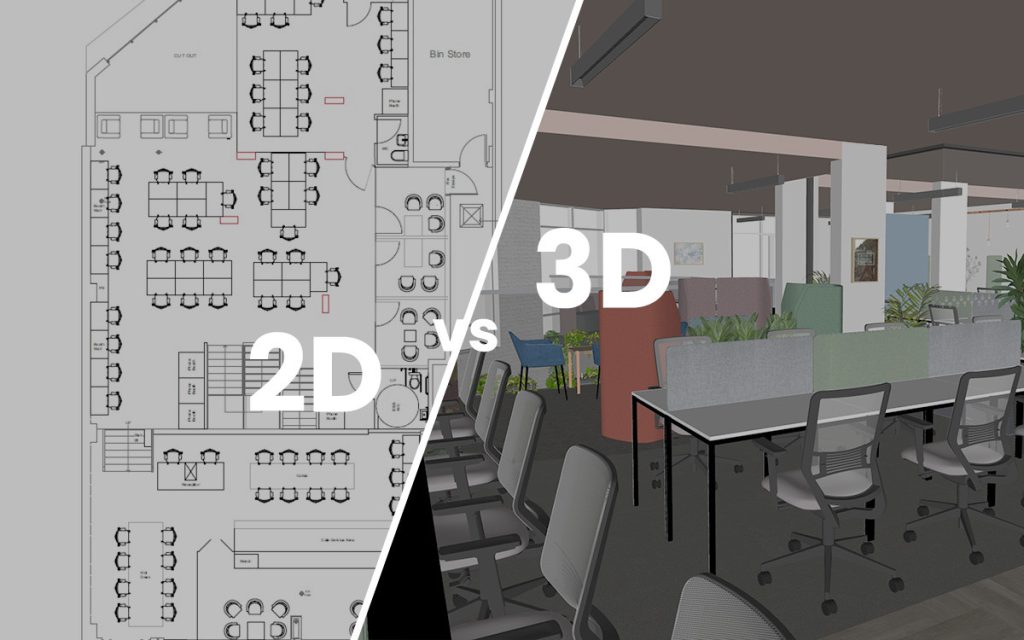
An effective minimalist space is born from meticulous prior planning. The importance of this planning manifests in several critical areas, ensuring that each element within the space serves a distinct and purposeful role. Thoughtful design not only enhances beauty but also fuels everyday functionality. When tackling minimalist design, it is crucial to consider how each component can contribute to an overall harmonious environment.
To begin with, one must assess the flow and functionality of the space. Understanding how you move through your home will inform your layout choices. For instance, if you entertain frequently, placing communal areas such as the living room and dining space close together enhances social interactions. This type of foresight prevents common pitfalls—like overcrowding a small space with unnecessary furniture. Instead, consider utilizing open-plan designs that encourage natural flow, accentuating the principles of minimalism by reducing visual barriers.
Emphasizing Practicality with Multi-Use Solutions
In a minimalist approach, multi-functional furniture reigns supreme. Each piece of furniture should serve more than one purpose. For example, a simple coffee table could double as a storage space for board games or books, while a fold-out dining table can expand to accommodate guests when needed. Recognizing these possibilities through prior planning enables homeowners to make conscious choices that uphold the minimalist ethos.
- Design Versatility: Selecting adaptable furniture allows one to change the layout according to seasons or occasions. For example, modular sofas can be reconfigured to match your entertainment style, whether it’s a casual get-together or a formal dinner.
- Space-Saving Solutions: Investing in wall-mounted shelves can free up floor space while displaying cherished items. This method creates a visually appealing focal point without encroaching on the limited living area.
- Creating Zones: Individual spaces can be designated for specific activities. For example, a nook with a comfortable chair and bookshelf might act as a reading area, while a small desk could cater to work-related tasks. Prior planning clarifies these zones and reduces clutter, thus enhancing overall ambiance.
The psychological benefits of an organized minimalist space are equally important. Studies indicate that a well-structured environment contributes to lower stress levels and improved focus. With a planned approach, individuals can curate a living space that is not only visually calm but also aligned with their lifestyle needs. As the trend towards minimalist living continues to rise across the United States, the significance of prior planning becomes even clearer—it allows individuals to cultivate spaces that reflect their values while eliminating distractions, leading to a more satisfying living experience.
| Category | Details |
|---|---|
| Maximizing Functionality | Prior planning allows individuals to determine which elements are essential, leading to a more functional living environment. |
| Aesthetic Appeal | Thoughtful arrangements of furniture and decor create a visually pleasing space that communicates tranquility. |
| Budget Management | Planning upfront can prevent overspending on items that do not fit the minimalist aesthetic. |
| Sustainability | Adequate planning encourages the use of sustainable materials that align with minimalism. |
Prioritizing these aspects not only enhances the functionality and aesthetic appeal of a space but also contributes to eco-conscious living in today’s world. Knowing what enhances a minimalist design can vastly improve both the emotional and physical qualities of a home. The emphasis on function over quantity elevates the essence of a minimalist space, where each item has its place and purpose, thereby creating an environment that invites both peace and productivity. In this way, understanding the importance of prior planning becomes essential for anyone looking to optimize their minimalist space effectively.
DISCOVER MORE: Click here for valuable tips
Elevating Aesthetic Appeal Through Strategic Priorities
When it comes to minimalist design, aesthetics play a pivotal role in creating a calming atmosphere. Prior planning allows homeowners to emphasize aesthetics without overwhelming the senses. A well-planned minimalist space marries functionality with beauty, creating a serene environment that encourages relaxation and creativity. Utilizing color palettes and textures strategically can enhance visual appeal while still maintaining the core principles of minimalism.
Choosing a neutral color palette can work wonders in a minimalist space. Soft whites, grays, and earthy tones help to create a cohesive and calming effect, ensuring that individual pieces can shine without clashing. When planning a minimalist design, it’s essential to select a limited color scheme that will keep the space feeling open and airy. An example of this can be seen in many contemporary homes across the United States, where light shades dominate the walls, allowing furniture and decor to take center stage. Furthermore, these colors naturally amplify natural light, making smaller spaces appear larger and more inviting.
Textiles and Materials: Adding Depth Without Clutter
Although minimalism may often appear stark, the choice of textiles and materials can significantly impact the warmth and coziness of a space. Prior planning allows homeowners to curate fabrics and finishes that offer tactile contrasts and visual interest without sacrificing simplicity. Incorporating natural materials such as wood, stone, and genuine fibers results in a harmonious balance, demonstrating that minimalism does not equate to coldness. Instead, it celebrates the beauty of simplicity.
- Layering Textures: An effective way to breathe life into a minimalist space is through the careful layering of textures. For example, combining a soft wool throw with a sleek leather sofa can enhance the visual intrigue while remaining true to minimalist ideals.
- Thoughtful Accessorizing: Prior planning also allows for selecting a few statement pieces rather than cluttering surfaces with numerous small items. One carefully chosen artwork or a unique sculpture can serve as a conversation starter and focal point, reinforcing the minimalist narrative.
- Incorporating Greenery: Plants offer a splash of life in minimalist environments. Planning for proper placements and species can augment aesthetic appeal while improving air quality. Strategically placed succulents or hanging ferns add visual dimensions that soften hard lines typical of minimalist design.
The alignment of aesthetics with practicality showcases the profound impact of prior planning in minimalist spaces. Beyond the visual appeal, the psychological aspect of living in an organized and aesthetically pleasing environment plays a crucial role in the overall experience. In fact, researchers have found that individuals living in harmonious, organized spaces tend to experience increased calmness and mental clarity. Thus, a carefully orchestrated minimalist design can lead to improved well-being, fully embracing the benefits that come from intentional choices made during the planning phase.
For those embarking on the journey of minimalist living, understanding these elements can dramatically enhance the outcome. By investing time in prior planning and focusing on strategic design choices, individuals can cultivate spaces that resonate both personally and emotionally, leading to a more fulfilling experience. As the popularity of minimalism continues to rise, understanding its core principles underlines the importance of conscientious decision-making when optimizing spaces for balance and tranquility.
DISCOVER MORE: Click here for tips on optimizing small spaces
Final Thoughts on Prior Planning for Minimalist Spaces
In essence, prior planning plays a crucial role in optimizing minimalist spaces, enabling individuals to create environments that are not only aesthetically pleasing but also conducive to well-being. By investing time and effort into the design process, homeowners can ensure that every element of their space aligns beautifully with the principles of minimalism. This comprehensive approach allows for improved functionality, enhanced visual appeal, and an overall sense of tranquility.
The selection of a cohesive color palette, the strategic use of textures, and the thoughtful choice of furnishings are all elements that significantly contribute to the success of minimalist design. When executed with intention, these choices reflect the personal style of the occupant while maintaining the uncluttered essence characteristic of minimalism. Furthermore, as studies indicate, living in a beautifully organized environment can lead to heightened mental clarity and emotional calm, reinforcing the psychological benefits derived from a meticulously planned space.
As we continue to navigate an increasingly fast-paced world, the allure of minimalism resonates more than ever. It presents an opportunity to prioritize peace and simplicity. Therefore, embracing the importance of planned design within minimalist spaces is not just about aesthetics; it’s about cultivating a lifestyle that values clarity, mindfulness, and purpose. For those seeking to create their perfect oasis, the journey begins with thoughtful planning that ultimately transforms a space into a sanctuary.