The importance of spatial organization in creating minimalist environments

The Role of Spatial Organization in Minimalist Design
In today’s fast-paced world, the concept of minimalism has gained significant traction among individuals seeking simplicity and clarity in their lives. Central to this aesthetic is the focus on spatial organization, which plays a vital role in influencing how environments are perceived and experienced. By thoughtfully arranging space, homeowners and designers can cultivate tranquil settings that promote relaxation, focus, and a sense of well-being.
Key aspects of spatial organization include:
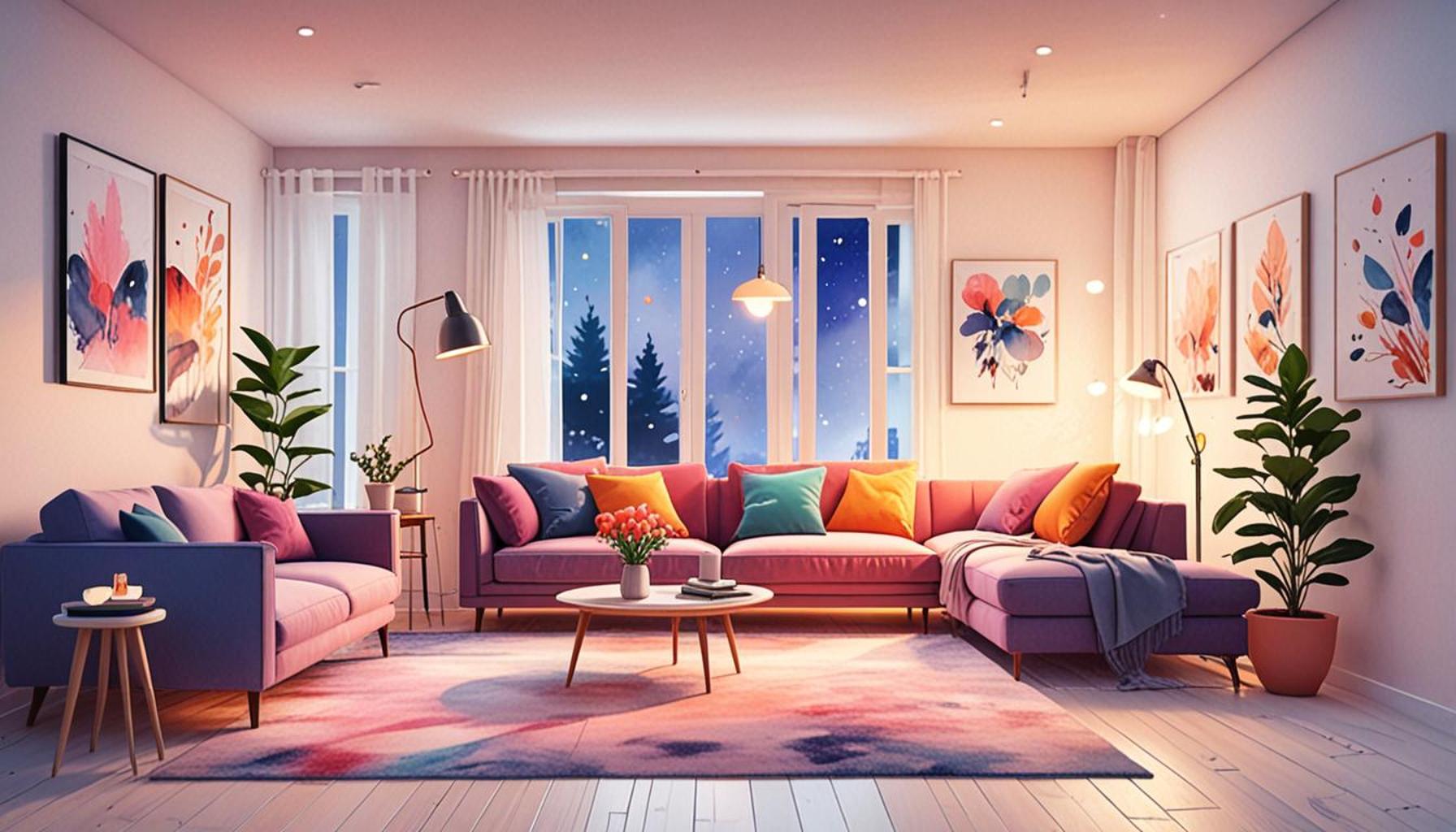
- Functional layouts: This involves the strategic arrangement of furniture and objects to enhance usability and flow. For instance, in a minimalist apartment, placing the couch opposite a large window not only maximizes natural light but also creates a natural focal point for conversation, turning a living area into a welcoming environment.
- Decluttering: Removing excess items is critical for creating a sense of openness. In the minimalist philosophy, every object should serve a purpose or bring joy. For example, adopting a “one in, one out” policy can help control accumulation and maintain a tidy space.
- Light manipulation: The intentional use of both natural and artificial light can dramatically alter the perception of space. Large windows that bathe a room in sunlight create an airy feel, while strategically placed lamps can highlight specific design elements, drawing attention to artistic pieces or architectural details.
These elements do more than enhance the aesthetic appeal; they also contribute significantly to mental well-being. A well-organized space can lead to:
- Reduced stress: Clutter-free zones foster calmness and clarity. Research indicates that individuals in organized spaces report lower stress levels, allowing them to think more clearly and make decisions calmly.
- Increased productivity: Environments designed with thoughtful layouts promote concentration and creativity. Open office spaces, for example, facilitate collaboration while also providing quiet corners for focused work, demonstrating that organization directly impacts efficiency.
- Improved functionality: Thoughtful arrangements streamline everyday tasks, making them easier to accomplish. A well-organized kitchen with designated zones for cooking, prep, and cleaning not only saves time but also enhances the overall cooking experience.
As we delve deeper into the importance of spatial organization in creating minimalist environments, we will explore practical strategies and inspiring examples that can transform your space. From minimalist homes in New York that utilize open-concept designs to tiny house movements in Oregon focusing on efficient use of space, the impact of effective spatial organization is evident. By embracing these principles, you can elevate your quality of life, turning your living space into a sanctuary amidst chaos.
DIVE DEEPER: Click here to discover more

Understanding the Principles of Minimalist Spatial Design
To fully appreciate the significance of spatial organization in minimalist environments, it is essential to grasp the fundamental principles that underpin this design approach. Minimalism is not merely about reducing clutter; it’s about creating spaces that flow seamlessly, allowing occupants to interact with their environment in meaningful ways. The synthesis of form, function, and open space lies at the heart of minimalist design and contributes to a harmonious living experience.
Functional layouts are crucial for achieving an effective minimalist design, as they prioritize usability while maintaining aesthetic appeal. By crafting layouts that emphasize ease of movement and visual clarity, designers can create spaces that feel expansive and energizing. For instance, a dining area with a centrally placed table can enhance social interaction, drawing family and friends together while preserving a sense of openness. This facilitates not only conversation but also reflects an understanding of how human behavior influences spatial dynamics.
Another key element of successful spatial organization is decluttering. This process extends beyond mere cleanliness; it is a fundamental aspect of minimalist philosophy. Every object within the space should hold value, either through functionality or its emotional impact. Consider the mantra of “less is more,” which guides individuals to evaluate their possessions meticulously. A prime example includes the popular trend of utilizing multi-functional furniture pieces, such as ottomans that double as storage solutions. This intentional approach allows for both practicality and aesthetic minimalism, freeing up visual space and creating an uncluttered environment.
Moreover, light manipulation plays an instrumental role in enhancing spatial organization. Natural light, particularly, has profound effects on mood and perception. By incorporating large windows or skylights, spaces can be transformed, appearing larger and more inviting. In contrast, the strategic use of artificial lighting, such as pendant fixtures or recessed lights, can highlight architectural elements and create zones within an open space, defining areas without the need for physical barriers. Effective light organization, therefore, amplifies the experience of a minimalist setting, enriching the overall ambiance.
Studies have shown that well-organized spaces contribute to significant psychological benefits. Here are some notable advantages:
- Reduced anxiety: Cluttered environments can overwhelm the senses, contributing to heightened stress levels. In contrast, minimalist spaces promote calmness and clarity, enabling individuals to focus on what truly matters.
- Enhanced creativity: A thoughtfully organized environment fosters an atmosphere that nurtures creativity, essential for workspaces. Designers often prioritize open plans to cultivate collaboration, allowing ideas to flourish in a minimalistic context.
- Optimized living: Whether in small apartments or large homes, a well-planned spatial layout enhances the functionality of everyday tasks, leading to a more efficient lifestyle.
As we further explore the importance of spatial organization, we’ll uncover actionable strategies that can transform homes into minimalist havens. From the chic, streamlined designs found in urban lofts to the innovative approaches of tiny home enthusiasts, understanding the critical role of spatial organization opens the door to creating tranquil and impactful environments.
The Importance of Spatial Organization in Creating Minimalist Environments
Spatial organization plays a vital role in the essence of minimalist design. It goes beyond mere aesthetics, serving as a fundamental aspect that influences how we interact with our surroundings. In a world that often feels cluttered and overwhelming, minimalist environments offer a sanctuary of calmness, encouraging relaxation and focus.
To delve deeper into this fascinating subject, explore this concise table that illustrates the key advantages of spatial organization in creating effective minimalist spaces:
| Category | Details |
|---|---|
| Visual Clarity | Minimized distractions enhance focus and productivity within a space. |
| Enhanced Comfort | Thoughtfully arranged layouts foster a sense of ease and serenity in daily activities. |
By understanding and applying these elements of spatial organization, individuals can transform their environments into one that is not only functional but also promotes a clear mind and a peaceful atmosphere. The impact of spatial organization in minimalist design is profound, with the potential to improve well-being and enhance the overall quality of life.
DIVE DEEPER: Click here to learn how to declutter your mind and space
Maximizing Space Through Strategic Design Choices
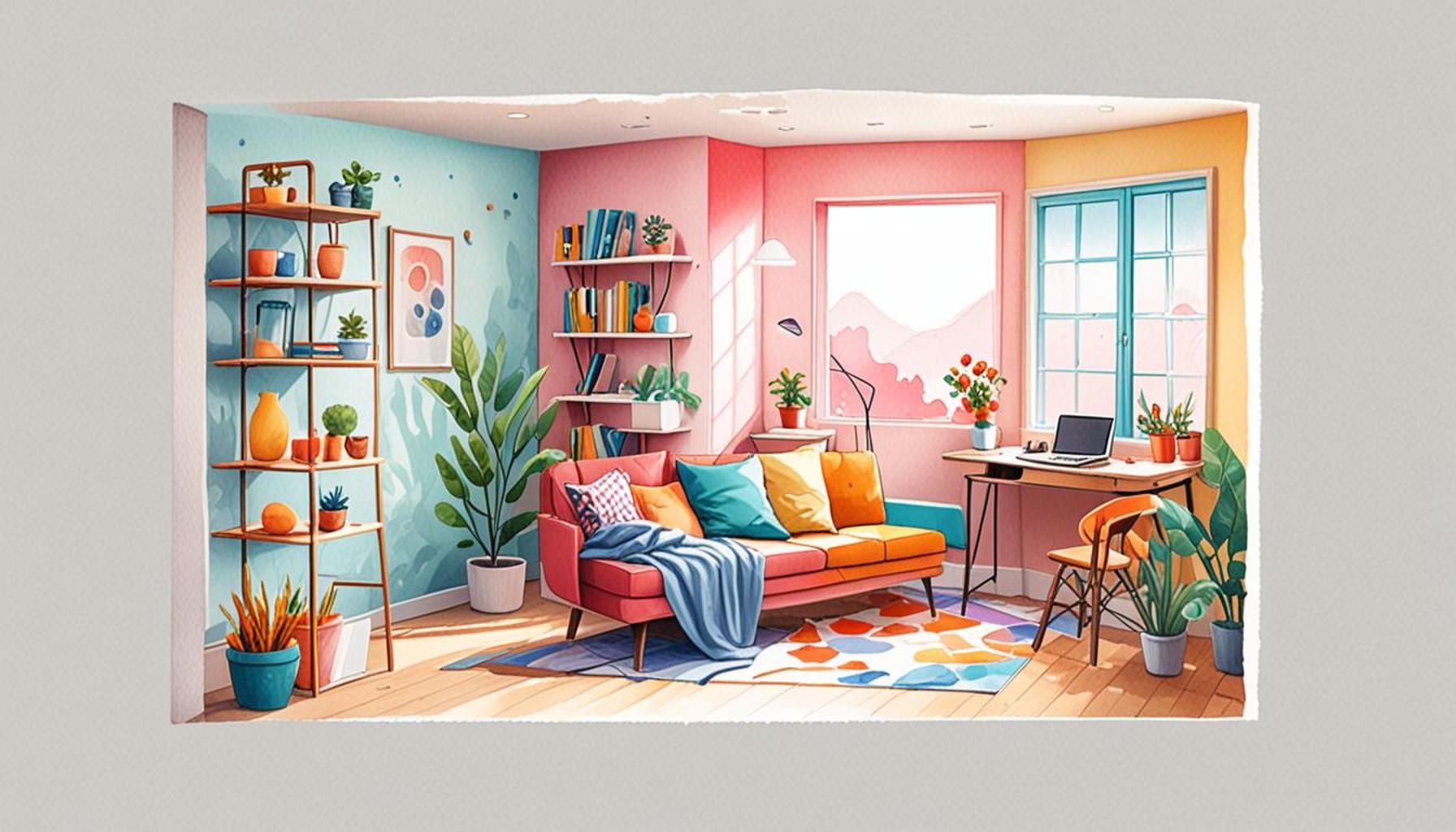
Spatial organization in a minimalist environment goes beyond aesthetics; it actively influences how occupants navigate and experience their surroundings. One effective method of enhancing spatial organization is through zoning, the practice of dividing larger areas into smaller, distinct zones based on function. For example, an open-plan living area can be segmented into separate zones for cooking, dining, and relaxation, using elements like area rugs or strategically placed furniture to demarcate each space. This approach not only fosters a sense of order but also supports the natural flow of movement and interaction among activities, creating an inviting atmosphere even in a compact layout.
Color selection is another critical aspect of spatial organization in minimalist environments. The use of a limited color palette contributes to visual coherence, making spaces feel larger and more cohesive. Neutral tones such as whites, grays, and earth tones can amplify light and create an airy feel, while accent colors can introduce focused interest without overwhelming the senses. When combined with thoughtful furniture placement, the right color scheme can guide the eye fluidly from one area to another, reinforcing the minimalist ethos of simplicity and clarity.
Additionally, <strong)viewpoints play a significant role in organizing a minimalist space. Crafting sight lines that draw attention to focal points, such as a piece of artwork or a stunning architectural feature, can enhance the overall spatial experience. For example, in a living room designed with several seating arrangements, orienting the furniture to face a large window not only invites natural light but creates a visual anchor that can make the space feel grounded and purposeful. This orientation fosters connection among occupants, allowing for conversation and interaction without feeling contrived.
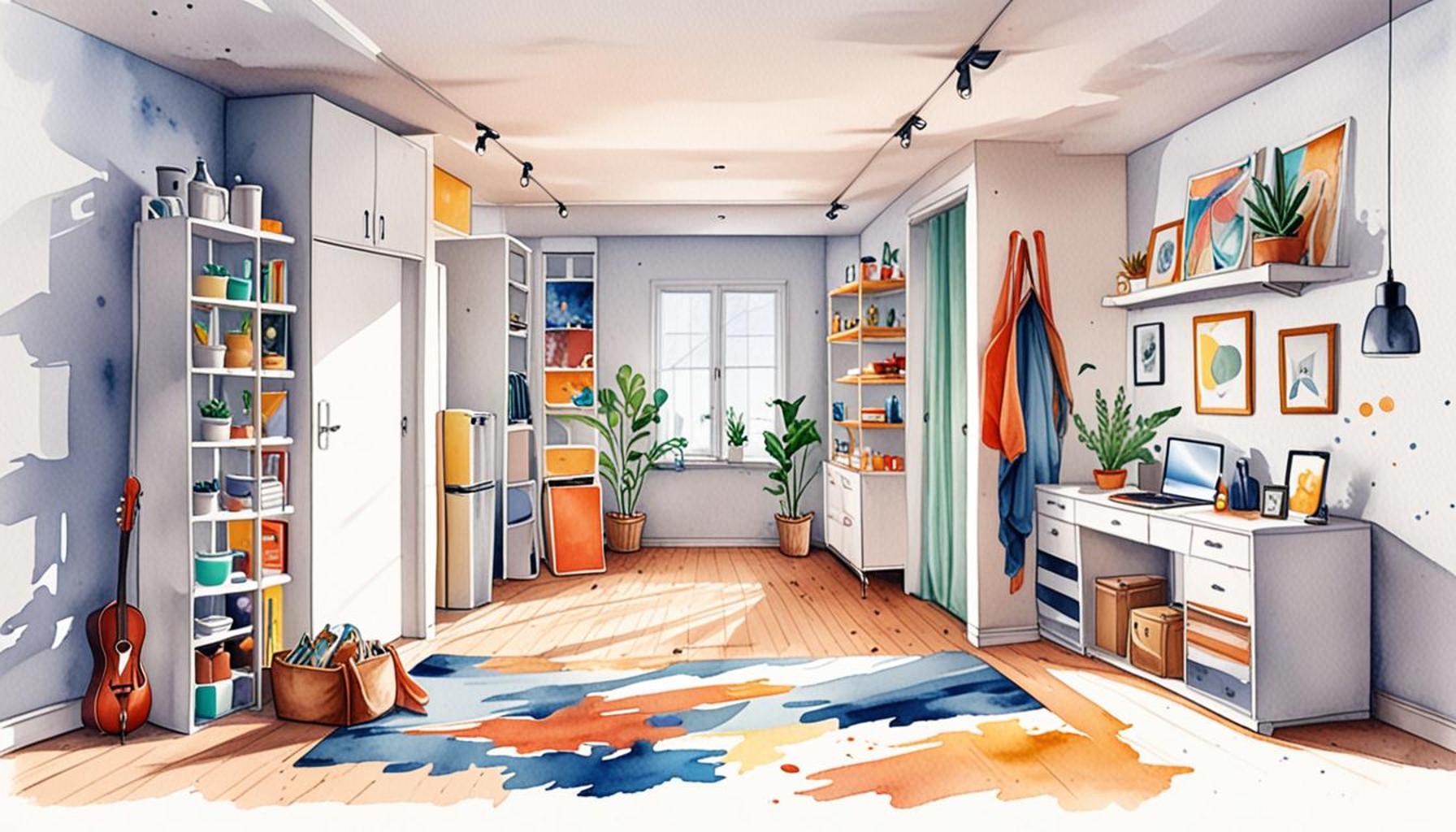
In contrast, poorly planned spatial organization can stifle potential, leading to inefficient living situations. Clutter and poor flow are common pitfalls that detract from a minimalist environment’s tranquility. To illustrate, a cluttered entryway filled with unnecessary items can create disarray as individuals enter a home. By implementing designated storage options, such as wall-mounted shelves or attractive baskets, individuals can maintain an organized entry that serves both function and form, embodying minimalist principles right from the threshold.
The potential of spatial organization extends to the integration of technology in minimalist environments as well. Smart home solutions allow for the seamless control of lighting, heating, and security, contributing to the overall efficiency of spatial designs. For instance, automated window treatments can enable homeowners to manipulate natural light with minimal effort, thus supporting the principles of light manipulation discussed earlier. These technological advancements not only enhance convenience but also align with the minimalist philosophy of maximizing functionality while minimizing unnecessary complexity.
Finally, embracing nature can play a transformative role in spatial organization. Bringing elements of the outdoors inside, such as through indoor plants or large potted trees, creates a soothing ambiance while enhancing air quality. Strategically placing greenery within the design serves to unify interior spaces with the external environment, promoting a holistic approach to minimalist living. Not only does this contribute to the visual appeal, but it also reinforces the connection between occupants and their surroundings, further enhancing the minimalist experience.
DISCOVER MORE: Click here to streamline your daily tasks
Conclusion: Embracing Clarity Through Spatial Organization
In the pursuit of minimalist living, spatial organization emerges as a cornerstone that enhances both functionality and aesthetic appeal. By implementing strategies such as zoning, color selection, and thoughtful positioning of furniture, individuals can transform their environments into cohesive sanctuaries that promote tranquility and ease of movement. The careful delineation of spaces fosters not just order but encourages fluid interactions, enabling occupants to fully engage with their surroundings.
Moreover, the integration of technology and natural elements into minimalist designs further amplifies the benefits of spatial organization. Automated solutions enhance convenience, while the presence of greenery establishes a vital connection to the outside world, creating a harmonious atmosphere that nourishes the soul. Together, these components cultivate an environment that supports a balanced lifestyle, emblematic of the minimalist philosophy.
As we delve deeper into the nuances of spatial organization, it becomes apparent that its significance extends far beyond mere aesthetics. It serves as a powerful tool for shaping our daily experiences and enhancing our quality of life. In light of this, rethinking and restructuring our spaces can empower us to embrace simplicity, reduce clutter, and ultimately lead more fulfilling lives. For those considering a minimalist approach, understanding the intricate relationship between spatial organization and environment is essential—and invites further exploration into creating spaces that resonate with peace and purpose.