The Influence of Local Agricultural Practices on Pet Nutrition in Nigeria

Understanding Local Agriculture’s Impact on Pet Diets in Nigeria
In Nigeria, the nexus between agriculture and pet nutrition is quite remarkable, largely due to the vibrant local farming practices that directly affect what pet owners can provide for their furry companions. The availability and variety of locally sourced ingredients, influenced by traditional farming methods and the unique climate across various regions, play pivotal roles in determining the quality of pet diets and, consequently, the health of pets.
Key factors affecting pet nutrition include:
- Availability of locally sourced ingredients: Farmers produce a diverse range of crops, which can be effectively utilized in pet food. This localized sourcing reduces reliance on imported pet food ingredients, ensuring fresh and often more cost-effective options.
- Traditional farming methods: Many farmers employ sustainable practices that contribute to the nutritional value of their produce. For instance, the use of organic fertilizers enhances the quality of ingredients such as grains and vegetables, which are essential in pet diets.
- Regional climate variations: Nigeria’s different climatic zones, from the humid coastal regions to the drier northern areas, affect what crops can be cultivated. This diversity allows for a variety of ingredients, reflecting the local ecosystems and agricultural practices.
As pet ownership rises in Nigeria—a trend driven by urbanization and a growing middle class—pet owners are increasingly prioritizing nutrition. Many are becoming conscious of what constitutes a healthy diet for their pets, often opting for home-prepared meals that leverage local agricultural strengths.
Examining popular ingredients reveals how agriculture translates into pet nutrition with notable examples:
- Maize: Widely grown across the country, maize is not only a staple food for humans but also a valuable source of carbohydrates for pets. It provides energy and aids in digestion, making it a common base for many homemade pet foods.
- Cassava leaves: Rich in protein and essential vitamins, these leaves can be integrated into pet meals, offering a nutritious boost. They can be cooked and mixed with other food items, ensuring pets receive a well-rounded diet.
- Palm oil: Often included for its healthy fats, palm oil provides essential fatty acids necessary for maintaining a shiny coat and overall health in pets. Its availability in local markets makes it an easy addition to many pet diets.
In-depth exploration of these ingredients underlines their individual benefits while also highlighting the potential of locally sourced, farm-fresh produce in improving pet health. Consequently, embracing local agricultural practices in pet nutrition not only supports the wellbeing of pets but also uplifts the farming communities and promotes sustainable food systems.
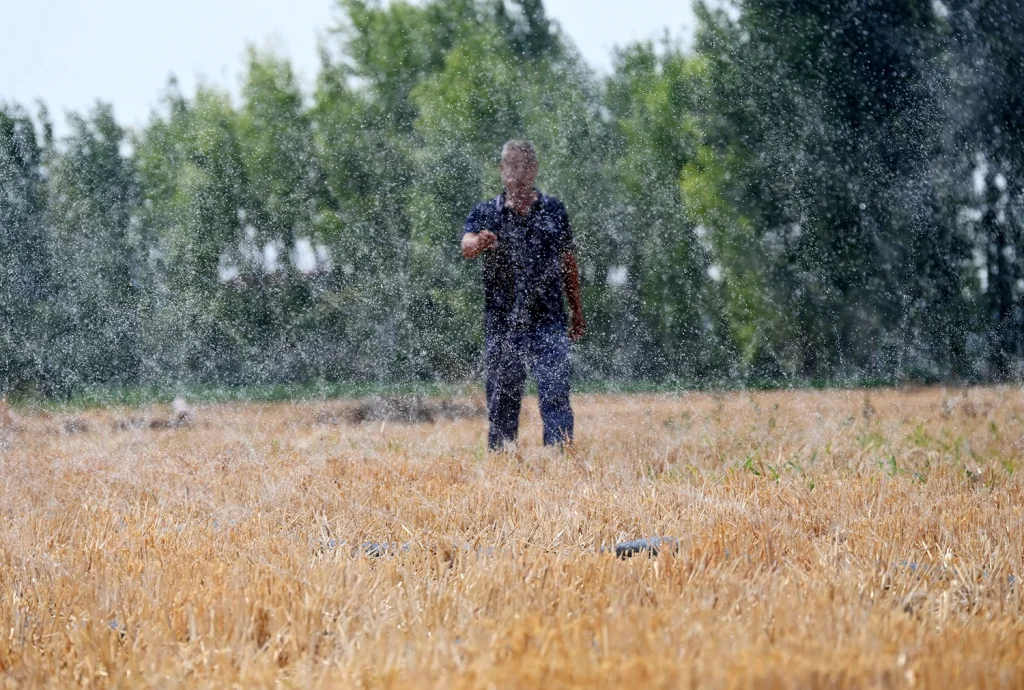
With many pet owners taking charge of their pets’ diets, it becomes imperative to understand this intersection of agriculture and nutrition. The commitment to using local produce not only creates healthier pets but brings communities together, as they share knowledge and resources, ultimately leading to vibrant and thriving environments for both pets and farmers alike.
LEARN MORE: This related article may interest you
The Nutritional Benefits of Indigenous Ingredients
Understanding the significance of indigenous ingredients is crucial in the context of pet nutrition in Nigeria. Local agricultural practices not only shape the types of ingredients available but also influence the nutritional profiles of pet food. The farm-to-bowl concept is gaining traction among pet owners, particularly as people become more discerning about the food they provide for their pets. Several key ingredients derived from local agriculture stand out for their beneficial qualities.
- Pigeon Peas: A protein-rich legume, pigeon peas are commonly cultivated in Nigeria. They are an excellent source of plant-based protein, providing essential amino acids that are crucial for pet growth and tissue repair. Moreover, they are readily available and can easily be integrated into homemade pet foods, adding both nutritional value and affordability.
- Yam Tubers: Yam is a staple in Nigerian diets, but its versatility extends to pet nutrition as well. Rich in carbohydrates, yam can serve as a vital energy source for pets. The high fiber content also aids digestion, making it a wise choice for inclusion in balanced pet diets.
- Vegetables: Leafy greens such as kale and pumpkin leaves are rich in vitamins, minerals, and antioxidants. These vegetables not only enhance the overall health of pets but also support their immune systems. Their abundance in local markets allows pet owners to add fresh greens to their pets’ meals easily.
Furthermore, the impact of local agricultural practices goes beyond just providing fresh ingredients. The methods employed in farming directly affect the nutritional content of these ingredients. For instance, local farmers often utilize organic farming techniques, eschewing harmful pesticides and chemicals. This commitment to sustainable practices results in fresher, more nutrient-dense produce that enhances pet health. The influence of such farming methods can effectively reduce health issues associated with synthetic additives typically found in commercial pet food.
Additionally, the choice of utilizing locally sourced ingredients resonates with a growing consciousness around environmental sustainability and food security. By promoting local agriculture, pet owners contribute to the economy, supporting the livelihoods of farmers and fostering a sense of community. This localized approach mitigates the carbon footprint associated with importing pet food and ingredients from far-flung locations.
As the pet food movement grows more vibrant in Nigeria, there is a palpable shift toward recognizing the importance of fresh, homegrown ingredients in pet diets. The practice of preparing homemade pet food using these locally sourced materials is not just advantageous for pets but also represents an enriching experience for owners. Understanding and adopting the principles of local agricultural practices can have a transformative impact on pet nutrition, ensuring that pets receive wholesome, nourishing meals tailored to their needs.
In Nigeria, local agricultural practices play a crucial role in shaping pet nutrition, reflecting not just the availability of ingredients but also the cultural attitudes towards animal care. The interaction between local farming methods and pet dietary habits invites exploration into how these practices can enhance the health and well-being of pets across various regions.First and foremost, the use of homegrown ingredients fosters a better understanding of nutritional value. Farmers often incorporate legumes, tubers, and greens into pet diets, providing essential vitamins and minerals that are commonly lacking in commercially available pet food. For instance, the utilization of cassava leaves or sweet potato can help improve the protein content and overall nutritional profile of pet meals. Such initiatives not only reflect a commitment to pet health but also highlight environmental sustainability by reducing reliance on imported feed.Additionally, traditional livestock raising practices contribute significantly to the quality of protein sources available for pets. By promoting pasture-fed livestock, agricultural practices ensure that meat used in pet foods is free from harmful additives and hormones. This direct correlation enhances the nutritional quality of the food pets consume, leading to improved overall health outcomes.The challenge remains, however, to educate pet owners about these benefits. Many pet owners may still default to processed pet food due to convenience and accessibility. Thus, awareness campaigns that target local communities can effectively bridge the knowledge gap, emphasizing the endless possibilities of utilizing locally sourced ingredients.Furthermore, local agricultural cooperatives can play a pivotal role. By collaborating with veterinarians and animal nutritionists, farmers can develop targeted strategies that emphasize the health benefits of integrating local agricultural products into pet diets. This combination of farming practices and nutritional knowledge could revolutionize how pets are fed, providing safer and healthier options.These insights not only encourage a paradigm shift in pet nutrition but also give farmers new markets for their products. By increasing demand for locally sourced food items, a symbiotic relationship emerges between pet health and local agricultural success. In exploring the relationship between agriculture and pet nutrition, there are remarkable opportunities for growth and improvement, leading to healthier pets and more thriving agricultural communities. For further details, consider the following table:
| Category | Benefits |
|---|---|
| Local Ingredients | Enhanced nutritional value for pets |
| Sustainable Practices | Supports local economy and reduces carbon footprint |
This exploration illustrates the profound impact that local agricultural practices have on pet nutrition in Nigeria, underscoring the interconnectedness of health, culture, and agriculture.
LEARN MORE: This related article may interest you
The Value of Farmers’ Knowledge and Techniques
Another essential aspect of the influence of local agricultural practices on pet nutrition in Nigeria lies in the knowledge and techniques passed down through generations of farmers. This rich reservoir of wisdom not only enhances the cultivation of crops but also contributes to the overall quality of the ingredients available for pet food. Farmers in various regions possess localized knowledge about what crops flourish in their specific environments, the appropriate seasonality for planting, and natural pest deterrents. These practices ensure that ingredients are grown in optimal conditions, promoting higher nutritional availability.
For instance, in the northern regions of Nigeria, farmers often employ crop rotation strategies which not only help maintain soil fertility but also contribute to healthier crops. This technique leads to vegetables and legumes that are not only free from harmful chemicals but also packed with nutrients. Such homegrown produce can significantly boost the nutritional value of homemade pet diets, providing pets with natural vigor and vitality.
Community-Supported Agriculture and Pet Owners
As interest grows around the consumption of locally sourced pet food, the role of community-supported agriculture (CSA) becomes increasingly significant. Farmers and local pet owners are beginning to engage in partnerships, where pet owners pledge support to local farmers in exchange for fresh produce. This model facilitates a direct line of communication between farmers and consumers, enhancing transparency about growing practices and the quality of ingredients being used.
The integration of CSAs into pet nutrition not only promotes better food but also cultivates a sense of community. Pet owners invest in the local economy while ensuring they receive high-quality, fresh ingredients for their fur babies. This new demand for locally sourced ingredients encourages farmers to adopt sustainable agricultural practices, creating a virtuous cycle of health and well-being for both pets and the environment.
The Rise of Nutritional Education for Pet Owners
Accompanying the shift towards local ingredients is a growing body of nutritional education for pet owners. Awareness campaigns and workshops led by veterinary professionals and agricultural experts are gaining traction, focused on how to properly utilize local foods in pet diets. Education initiatives help pet owners understand not only the types of ingredients that can be beneficial but also the appropriate ratios of proteins, carbohydrates, and fats necessary for optimal pet health.
These initiatives emphasize the benefits of repairing and enriching the diet of pets through various natural supplements that can be found within Nigeria’s diverse agricultural offerings. For example, palm oil, a common ingredient in Nigerian households, can be beneficial in small quantities due to its fatty acid profile, potentially improving coat health among pets when used judiciously.
In this evolving landscape, the need for continuous research into the nutritional profiles of indigenous ingredients becomes critical. Establishing collaborations between agricultural institutions and veterinary schools can drive innovation and improve understanding of how these local agricultural practices shape the health and well-being of pets. With the potential for a unique blend of Nigerian agricultural resources, pet nutrition stands on the cusp of a modest revolution, one that harnesses the incredible bounty of local farms.
ADDITIONAL INSIGHTS: Expand your understanding here
Conclusion
The exploration of local agricultural practices reveals a profound influence on pet nutrition in Nigeria, intertwining the realms of agriculture and animal husbandry in ways that are both sustainable and beneficial. As farmers harness their traditional knowledge, they contribute to more nutritious and chemical-free ingredients that elevate the standard of homemade pet diets. With techniques like crop rotation and community-supported agriculture (CSA), there is a growing synergy between farmers and pet owners, creating opportunities for better nutrition through locally sourced ingredients.
The integration of nutritional education for pet owners further amplifies this positive shift, empowering them to make informed decisions about the ingredients they feed their pets. This not only enhances the health and vitality of pets but also serves to fortify local economies by supporting agricultural enterprises. With the increasing availability of indigenous ingredients, there exists a potential for innovative pet food solutions that leverage local resources and yield significant benefits for animal wellbeing.
Moving forward, continuous research into the nutritional benefits of local agricultural products is crucial. Collaborative efforts among agricultural institutions, veterinary schools, and communities can pave the way for a reimagined pet nutrition landscape. As Nigeria stands on the brink of this evolution, the convergence of local agricultural practices and pet nutrition promises a healthier future for our furry companions and a flourishing agricultural sector. The call to action is clear: embrace these local practices, support farmers, and consider how our choices echo through our pets’ health and community well-being.