The Influence of Local Culture on Animal Care and Health Practices in Nigeria
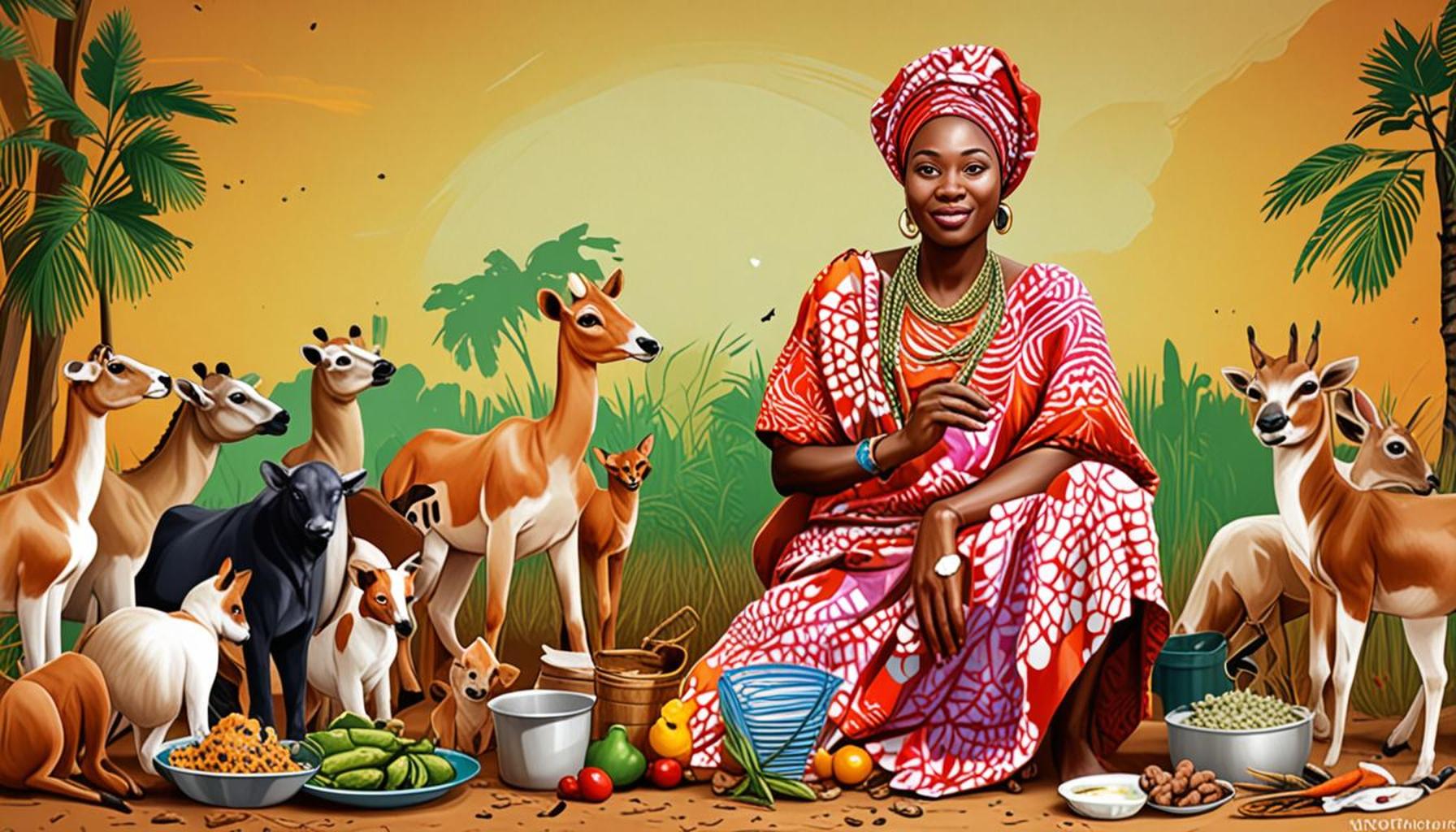
Exploring Cultural Influences on Animal Care in Nigeria
Nigeria’s cultural diversity is a rich source of practices and beliefs that profoundly influence how societies care for animals. With over 250 ethnic groups, each with its unique traditions and insights, the perception and treatment of animals often reflect a community’s values and practices. Understanding these cultural perspectives reveals a multifaceted relationship between humans and animals that has developed over generations.
Several key factors illustrate this intricate influence:
- Traditional beliefs: In many Nigerian communities, animals are often viewed through a spiritual lens. For instance, pastoral tribes might believe that the health and productivity of their livestock are connected to spiritual well-being. This can lead to unique care practices that include rituals aimed at invoking blessings for the animals, showcasing an intertwining of spirituality and animal husbandry.
- Farming practices: Traditional farming methods vary significantly between regions. In the northern states, such as Kano and Sokoto, the practice of transhumance—herding animals to different grazing grounds based on seasonal changes—is a time-honored tradition. This practice is deeply ingrained in their culture, with local knowledge passed down through generations, influencing how care routines and feeding methods are implemented.
- Community practices: In many parts of Nigeria, community gatherings are opportunities for collective animal health checks. Events like the traditional “Gani” festival in Oyo state may include livestock exhibitions, where farmers come together to showcase their animals’ health and breeding. This fosters a sense of communal responsibility towards animal welfare and provides a platform to exchange knowledge on best care practices.
The interplay between cultural identity and animal care leads to innovative veterinary approaches. In Lagos, for example, urban pet owners often seek a blend of modern veterinary science and traditional methods, leading to varied treatment options for pets. This fusion has resulted in the popularity of holistic animal care approaches, which include traditional health remedies alongside conventional treatments.
As societal changes continue to shape Nigeria, the need to appreciate and incorporate these cultural influences into animal care practices has never been more critical. By understanding how deep-rooted traditions inform animal husbandry, stakeholders can devise more effective strategies for promoting animal health and welfare across the nation. Encouraging dialogue between traditional and modern practices can ensure that animals are treated with the respect and care they deserve, ultimately benefiting both the animals and the communities that depend on them.
With a commitment to integrating cultural wisdom with scientific advances in veterinary care, the future of animal care in Nigeria promises to be a collaborative effort that honors the past while looking toward innovation.
YOU MAY ALSO LIKE: Read read another article
Cultural Practices Shaping Animal Care Approaches
In the context of Nigeria, the influence of local culture on animal care cannot be overstated. Cultural contexts create unique frameworks within which animal care and health practices are developed and maintained. Across Nigeria, *traditional values, community structures, and economic conditions* contribute significantly to how animals are treated and cared for. This interplay of factors plays a vital role in shaping the veterinary landscape, leading to practices that cater to both local needs and global standards.
One of the most robust influences on animal care in Nigeria is the traditional methods utilized by communities that have been largely unaffected by modern veterinary practices. In rural areas, where access to veterinary services may be limited, *oral histories* and *traditional knowledge* about animal health are often passed down from elders to younger generations. This knowledge includes the healing properties of local herbs and traditional rituals that are believed to protect livestock from disease.
- Herbal medicine: Many Nigerian cultures recognize the significance of natural remedies derived from local plants. For example, the use of *neem leaves* has gained popularity across various regions as a treatment for parasitic infections in livestock. This traditional practice emphasizes a connection to the environment and reflects a deep understanding of plant-animal interactions.
- Rituals and ceremonies: In some communities, rituals play an essential role in animal care. For instance, the *Idomagba festival* among the Yoruba people includes prayers and ceremonies to ensure the health of cattle. Such observances illustrate the intertwining of cultural identity and animal welfare.
- Education through storytelling: In many cultures, storytelling serves as an educational tool. Through recounting experiences involving animals, communities impart critical lessons about care practices, disease prevention, and the economic value of livestock, ensuring that important information is retained across generations.
The urban centers of Nigeria, such as Lagos and Abuja, present a contrasting scenario, where the convergence of traditional beliefs and modern veterinary practices fosters a unique approach to animal care. Urban pet owners, for instance, demonstrate an increasing tendency towards integrating local wisdom with modern veterinary science. The growing demand for *pet wellness centers* that offer both conventional treatments and *holistic animal care* remedies showcases this cultural blending.
However, this shift is not without its challenges. As access to information and resources expands, there can be tension between traditional practices and modern veterinary standards. Nevertheless, the ongoing dialogue between these two worlds fosters a rich tapestry of animal care that reflects Nigeria’s diverse culture. Efforts to educate animal owners about the benefits of combining traditional and modern practices may lead to improved animal health outcomes across various regions.
Ultimately, the influence of local culture on animal care in Nigeria offers a glimpse into the complex relationship between people and animals. By continuing to explore and honor these traditions while adapting to modern advancements, Nigeria can pave the way for a holistic approach to animal health that respects its diverse heritage.
| Cultural Practices | Impact on Animal Care |
|---|---|
| Traditional Beliefs | Many communities attribute health and sickness in animals to spiritual causes, leading to unique treatment practices alongside veterinary care. |
| Ritualistic Care | The integration of local rituals and ceremonies for healing plays a significant role in how animals are treated, influencing animal health standards. |
| Community Knowledge | Elders and local practitioners possess vast knowledge of herbs and traditional medicines, contributing positively to local animal care. |
| Festivals and Celebrations | Animals play a pivotal role in local festivities, mandating their well-being and leading to improved health practices among owners. |
The intricacies of local culture deeply influence not only the treatment but also the perception of animal health in Nigeria. This unique cultural tapestry reveals how traditional beliefs intertwine with modern practices, shaping the landscape of animal care. Understanding these dynamics invites deeper examination into how local customs can bolster or hinder veterinary methodologies. For more insights into this fascinating interplay of tradition and health, exploring further studies and real-life examples will enhance comprehension of the cultural significance in animal husbandry within Nigeria.
SEE ALSO: Click here to read another article
The Role of Community Involvement and Cooperation
Another crucial aspect shaping animal care and health practices in Nigeria is the *sense of community*. In many Nigerian societies, communal living fosters a collaborative approach to animal husbandry, where caretaking responsibilities extend beyond individual households. This communal perspective cultivates a deep sense of responsibility towards livestock, ultimately influencing animal welfare practices.
In *pastoralist communities*, such as the Fulani, livestock is not only a source of livelihood but also a symbol of social status and cultural heritage. The communal ownership of cattle herds encourages cooperative strategies, like *joint herding* and sharing of veterinary resources. This collaboration can lead to a more effective management of animal health issues, as knowledge and resources are pooled together to tackle common challenges. For instance, if a herd is afflicted by a disease, the surrounding community often intervenes, sharing both traditional remedies and seeking veterinary assistance as a united front.
- Traditional veterinarians: In many communities, *herbalists* or wise elders act as traditional veterinarians. Their recognition within the community allows them to influence animal care practices significantly. By providing not only treatments but also advice on animal management, these individuals often fill the gap where formal veterinary services are lacking.
- Cooperative farming initiatives: The rise of cooperative societies allows farmers to pool resources for better access to veterinary care and animal feed. By collaborating, these communities can negotiate better prices for veterinary services and bulk purchasing of quality feeds, thereby improving the overall health of livestock.
- Advocacy and education: Local NGOs and community-based organizations play a transformative role in educating livestock owners about health practices that align traditional knowledge with contemporary veterinary science. Workshops and outreach programs often focus on disease prevention measures and the importance of regular veterinary check-ups, effectively bridging the knowledge gap.
The growing awareness of animal rights, influenced by both local and international movements, has also started to alter perceptions around animal care in Nigeria. As access to information increases through social media and training programs, many young Nigerians are becoming more vocal about improving animal welfare standards. This new generation advocates for ethical treatment of animals, reinforcing the idea that responsible animal husbandry enhances not only the quality of life for livestock but also impacts human communities positively.
Additionally, festivals and community events often include discussions on animal health and care, integrating social gatherings with educational opportunities. For instance, during the *Argungu Fishing Festival*, farmers share experiences about livestock health in a jovial yet informative atmosphere, demonstrating how cultural events serve dual purposes of celebration and education.
Despite these positive advancements, challenges still emerge. The push for modern practices may sometimes clash with traditional beliefs, leading to misconceptions or reluctance to adopt new methods. Striking a balance between respecting cultural traditions while promoting effective animal health practices will be essential for sustaining healthy livestock populations across Nigeria.
ADDITIONAL INSIGHTS: Expand your understanding here
Conclusion
In Nigeria, the intricate tapestry of local culture plays a pivotal role in shaping the landscape of animal care and health practices. The amalgamation of traditional beliefs, communal responsibility, and rising awareness has forged a unique approach to livestock management that navigates both ancestral wisdom and modern veterinary science. As evidenced by the strength of community involvement, communal herding practices among pastoralist societies like the Fulani illustrate the profound connection between culture and the well-being of animals. The sharing of resources and traditional knowledge creates a safety net that bolsters animal health while honoring age-old customs.
Furthermore, the emergence of cooperative farming initiatives fosters collaboration, allowing communities to access better veterinary care and educational resources that can elevate their practices. The role of traditional veterinarians and local organizations cannot be overstated, as they serve as bridges between time-honored methods and contemporary techniques, empowering livestock owners to adopt holistic health measures. The growing momentum of advocacy for animal rights among younger generations is also a noteworthy development, challenging outdated perceptions and ushering in a more compassionate approach to animal welfare.
While challenges remain, particularly as modern methods sometimes conflict with traditional practices, the quest for a balanced coexistence between culture and science offers a promising way forward. By respecting and integrating local customs into contemporary animal care strategies, Nigeria can enhance livestock health and welfare, ultimately benefiting both animals and the communities that rely on them. As we continue to explore this dynamic interplay, there lies an opportunity to cultivate a future for animal husbandry that is as rich and diverse as Nigeria’s cultural heritage itself.