The influence of Scandinavian design on the optimization of minimalist spaces
Understanding the Essence of Scandinavian Design
In the realm of interior design, Scandinavian style stands out for its profound impact on how we perceive and utilize minimalist spaces. Originating from the Nordic countries, this design philosophy is characterized by its commitment to simplicity, functionality, and a strong connection to nature. In recent years, its influence has resonated powerfully in the United States, shaping not just aesthetics but also enhancing the overall livability of spaces.
Among the defining attributes of Scandinavian design that optimize minimalist spaces are:
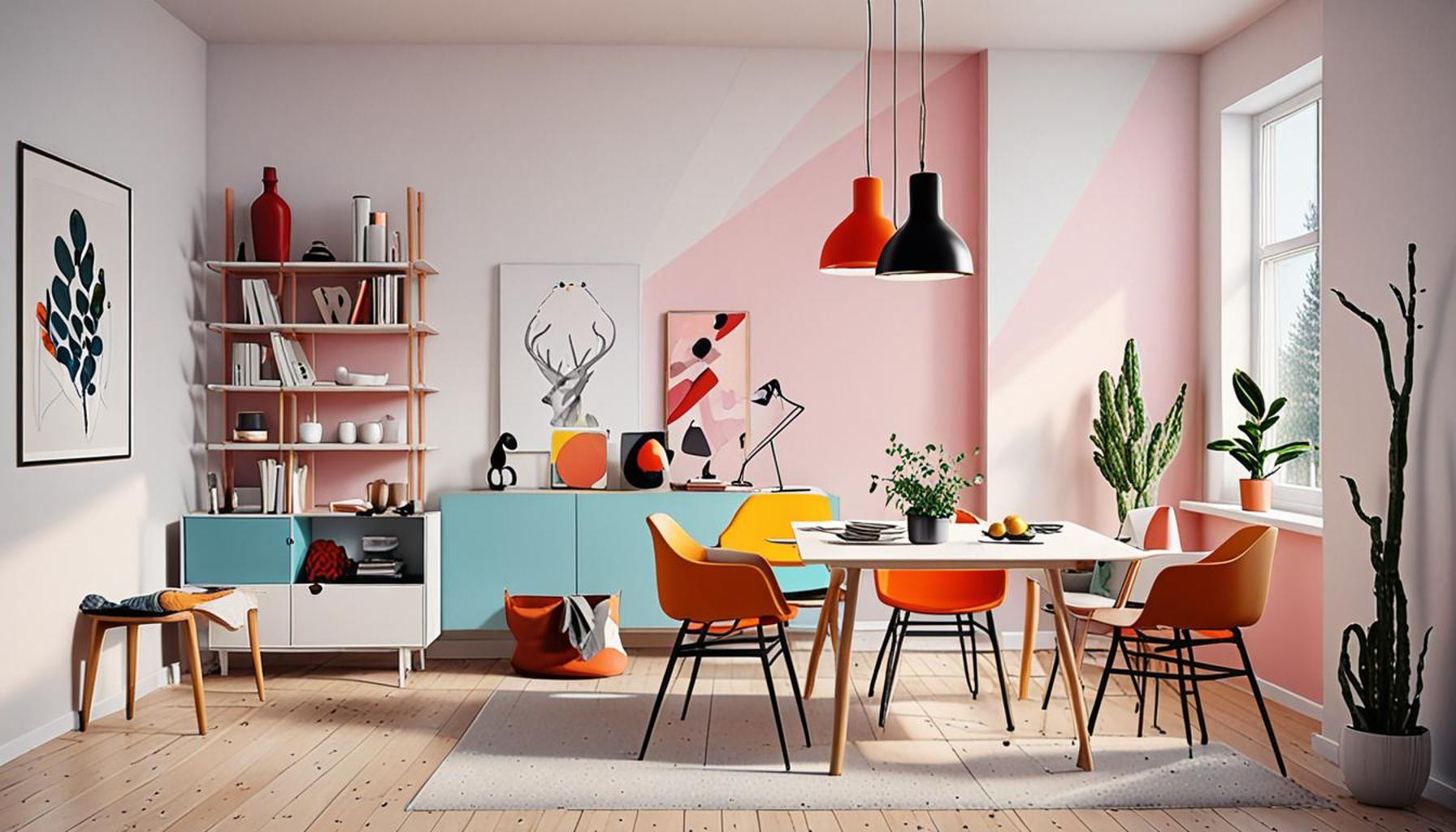
- Neutral Color Palettes: The use of soft whites, gentle grays, and earthy tones creates calm, inviting atmospheres. For instance, a living room featuring whitewashed walls and a charcoal-gray sofa can evoke a sense of serenity while also making the space appear larger and more open.
- Functional Furniture: Furniture pieces that marry practicality with elegance are central to Scandinavian design. For example, a sleek coffee table that incorporates hidden storage not only serves as a centerpiece but also minimizes clutter, demonstrating the philosophy of form following function.
- Natural Materials: The use of warm materials such as wood, leather, and textiles enhances comfort and brings organic texture into spaces. A dining area adorned with a solid oak table paired with soft woolen chairs exemplifies this ethos, offering both intimacy and durability.
The minimalist approach in Scandinavian design not only emphasizes decluttering but also encourages individuals to prioritize essential items, cultivating a sense of peace and well-being. By adopting these principles, homeowners can seamlessly transform an ordinary space into a tranquil haven that promotes efficiency and positivity. This harmonious blend of aesthetics and function not only elevates the visual appeal of interiors but also resonates with a lifestyle that values simplicity, mindfulness, and sustainability.
To further illustrate the connection between Scandinavian design and minimalist living, we can look at successful case studies in urban homes across major U.S. cities. For instance, a classic New York City apartment reimagined with Scandinavian design principles can showcase how strategic use of space and light can turn even small areas into cozy retreats. Similarly, the trend of incorporating greenery through indoor plants, a hallmark of Scandinavian decor, encourages a deeper connection with nature, promoting mental well-being.
As we explore more about Scandinavian aesthetics and practical applications, readers will encounter enlightening examples and actionable tips. This content aims to inspire individuals to embrace this innovative design ethos, offering transformative solutions for contemporary living that can lead to more harmonious and enriching environments.
DISCOVER MORE: Click here for invaluable time management tips
Key Elements of Scandinavian Design That Transform Minimalist Spaces
Scandinavian design, with its clean lines and minimalistic approach, provides a compelling pathway to optimizing spaces, particularly in urban environments where square footage comes at a premium. When combined with the principles of minimalism, which advocates for a “less is more” philosophy, the outcomes are transformative. Not just a mere aesthetic choice, this design style enhances functionality while simultaneously nurturing emotional well-being.
One of the core tenets of Scandinavian design is its emphasis on functionality. Each piece of furniture and decor is carefully selected to fulfill a specific purpose, minimizing the need for excessive items that would otherwise clutter a space. For example, consider how a foldable dining table can maximize utility in a compact kitchen while still providing a stylish centerpiece for family meals. Such adaptability is paramount in minimalist spaces, where versatility is a key player.
- Natural Light: The abundant use of large windows in Scandinavian design allows for ample natural light, which is pivotal in small spaces. A sunlit living room can feel significantly more spacious and inviting compared to a dimly lit area. Incorporating mirrors to reflect light further enhances this effect, making rooms appear larger and more open.
- Open Layouts: The Scandinavian ethos values open floor plans that foster a sense of flow and spaciousness. Removing unnecessary walls can give the illusion of a larger area, encouraging interactions between spaces such as the kitchen, dining, and living areas. This flow not only supports the minimalist ideal of decluttering but also promotes social engagements.
- Multi-functional Spaces: The notion of spaces that serve multiple purposes—like a home office that transforms into a guest room—is essential in urban homes. Scandinavian design excels in this area by promoting furniture that adapts to various needs, effectively utilizing every inch without compromising style.
- Simple Decor Accents: Although the Scandinavian style embraces minimalism, it does not shy away from warmth and personality. Thoughtfully chosen decor pieces, such as a handcrafted vase or a unique art print, can add character without overwhelming the space. Each accent should tell a story while adhering to the overarching simplicity that characterizes the style.
The synergy between Scandinavian design and minimalism paves the way for creating spaces that prioritize both aesthetics and practicality. This design approach encourages homeowners to be intentional about their choices, opting for lasting quality and sustainable materials rather than fleeting trends. Such practices cultivate not only beautiful environments but also contribute to global sustainability efforts, resonating particularly with eco-conscious consumers in the United States.
As we delve deeper into the transformative power of Scandinavian design, it becomes clear that understanding its foundational principles is crucial. This foundation opens up a world of innovative solutions suitable for various lifestyles, making it essential for anyone looking to create a minimalist haven in their home.
| Advantage | Description |
|---|---|
| Functional Aesthetics | Scandinavian design emphasizes functional beauty |
| Natural Materials | Utilizing eco-friendly materials |
| Smart Space Utilization | The principles of Scandinavian design encourage efficient use of space |
| Bright and Airy Atmosphere | Incorporating large windows and light colors |
The power of Scandinavian design lies in its ability to harmonize aesthetic appeal with practicality. By focusing on functional aesthetics, spaces not only become visually striking but also livable. The importance of natural materials cannot be understated; they contribute not just to the décor but also to a healthier environment by reducing indoor pollutants. Furthermore, the ingenious use of space in these designs showcases how minimalism can lead to maximum efficiency.Lastly, the incorporation of natural light through design serves to elevate the psychological well-being of occupants, which, combined with the tranquil color palettes common in Scandinavian interiors, fosters a serene atmosphere. This interplay of elements demonstrates the extensive influence of Scandinavian design on modern minimalist spaces, prompting homeowners and designers alike to explore these principles further.
DISCOVER MORE: Click here to gain insight
The Emotional Impact of a Minimalist Scandinavian Haven
Beyond functionality and aesthetics, Scandinavian design significantly influences the emotional atmosphere within minimalist spaces. The intersection of light, texture, and color schemes in these spaces has the power to evoke feelings of calmness and tranquility. Using muted palettes—predominantly whites, soft grays, and light pastels—Scandinavian interiors create a soothing backdrop that encourages relaxation. In the bustling environment of American urban centers, where stress levels soar, these serene living conditions can serve as a necessary refuge.
Another crucial element that embodies Scandinavian design’s emotional comfort is the use of natural materials. Incorporating wood, wool, and leather promotes a sense of connection to nature, which can enhance mental well-being. For instance, a birch wood coffee table not only adds warmth to the room but also establishes a tactile interplay that makes a space feel inviting and lived-in. The Scandinavian ethos promotes using sustainable, high-quality resources, aligning with a growing American trend towards eco-friendliness and sustainability in home decor.
- Biophilic Design: This concept, rooted in the desire for a connection with nature, is essential to Scandinavian design. Integrating plants into minimalist spaces not only purifies air quality but also uplifts mood. Small indoor plants like succulents or ferns can be strategically placed to enhance balance and harmony, curating an indoor oasis amid urban hustle.
- Cozy Elements: The Scandinavian notion of “hygge” emphasizes coziness and comfort, influencing how minimalist spaces are designed. Incorporating soft textiles, such as chunky knit throws or sheepskin rugs, introduces warmth while retaining simplicity. Such elements contribute to a desirable ambiance that beckons relaxation after a busy day, appealing directly to Americans who seek comfort in their fast-paced lives.
- Accessible Minimalism: Scandinavian design encourages an approach to minimalism that is both practical and accessible. Unlike some minimalist trends which may feel cold or lifeless, Scandinavian style invites homeowners to curate spaces that reflect individuality while remaining uncluttered. By choosing key pieces that resonate personally, individuals can achieve a balance between minimalist design and personal expression. This shift is significant as it inspires people to embrace their surroundings rather than fearfully adhere to a stripped-down aesthetic.
The embrace of Scandinavian design within minimalist spaces is also reflected in the growing popularity of DIY projects inspired by this style. Many homeowners are taking on projects that integrate sustainable Scandinavian principles into their living areas, thus custom tailoring their spaces to their needs while prioritizing quality. For example, individuals in cities like San Francisco or New York may transform compact studio apartments into functional and aesthetically pleasing environments by employing Scandinavian principles, such as using multifunctional furniture pieces or selecting decor that instills a sense of connection with the outdoors.
By fostering a dialogue between Scandinavian design and the essence of minimalism, individuals can curate spaces that not only serve functional purposes but also enhance emotional well-being. This thoughtful approach underlines the importance of considering both the aesthetics and the sentiment behind design choices, allowing for greater intentionality in living environments.
DISCOVER MORE: Click here for effective organization tips
Conclusion: Embracing Scandinavian Design for Optimized Minimalism
In conclusion, the influence of Scandinavian design on the optimization of minimalist spaces transcends mere aesthetics; it embodies a holistic approach to creating environments that foster well-being and simplicity. As urban living space becomes increasingly constrained, the principles of Scandinavian design provide a roadmap for harnessing functionality without sacrificing comfort or emotional resonance. The thoughtful integration of natural materials, soft textures, and muted color palettes not only enhances the visual appeal of a space but also nurtures a calm and inviting atmosphere that is particularly valuable in today’s fast-paced American lifestyle.
Moreover, the concept of accessible minimalism encourages individuals to reflect their personalities in thoughtfully curated spaces, thereby dispelling the myth that minimalism must equate to starkness. This movement is further amplified by the DIY ethos, as many find joy in transforming their homes by weaving Scandinavian principles into their daily lives. By marrying functionality with emotional comfort, Scandinavian design offers a blueprint that prioritizes our relationship with our surroundings—making it a crucial consideration for anyone looking to optimize their living spaces.
As we move forward, embracing these design philosophies can lead to a more harmonious way of living, where homes are not just places of residence, but sanctuaries of comfort, creativity, and sustainability. Engaging with Scandinavian design principles may inspire individuals to rethink their environments, encouraging a deeper connection between aesthetics, emotional well-being, and the spaces we inhabit.