The integration of nature and the use of plants in the optimization of minimalist spaces
Embracing Green Minimalism
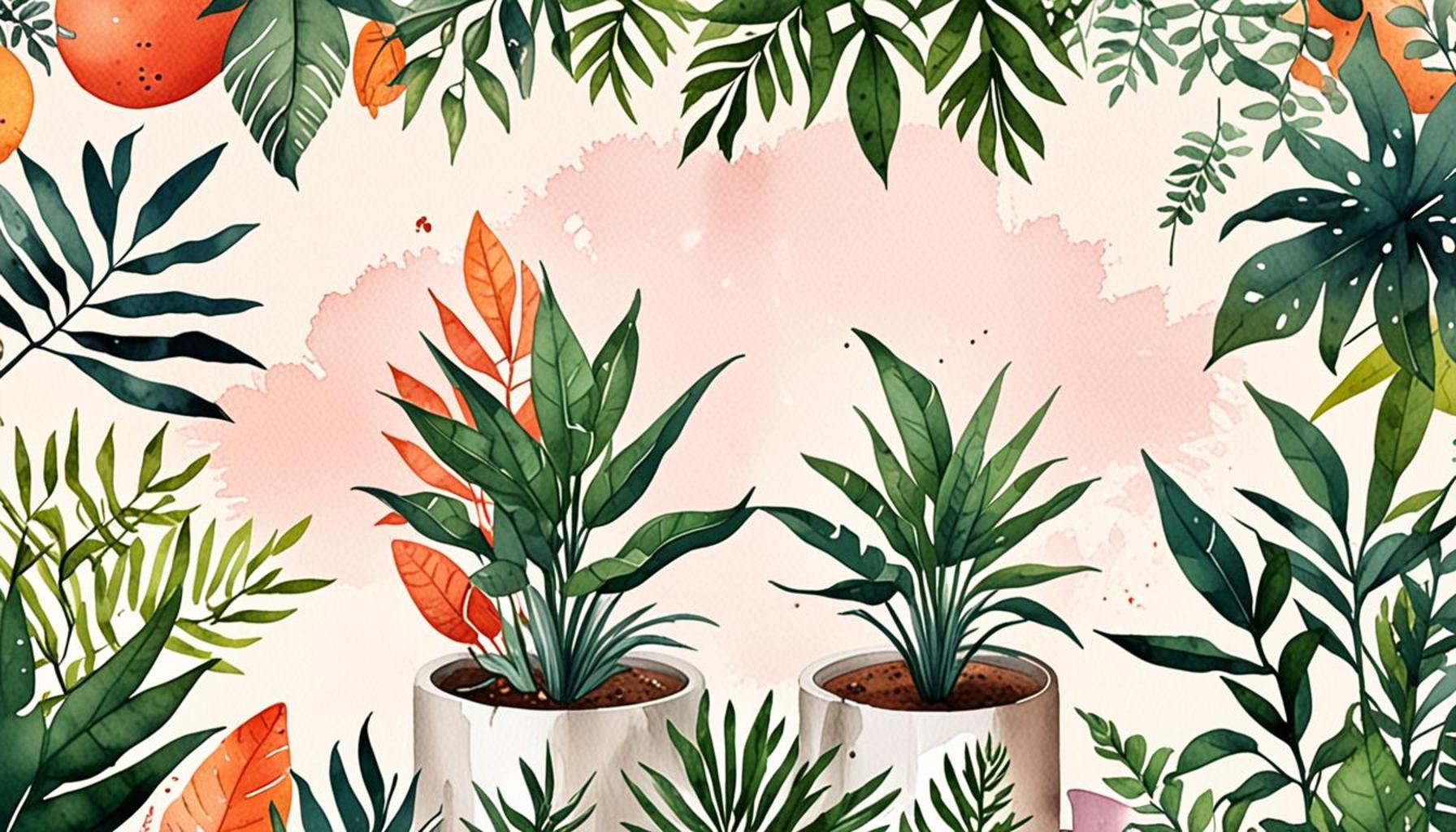
In today’s fast-paced world, the concept of minimalism has flourished, transforming how we think about our living and working spaces. Integrating nature into these minimalist environments not only enhances aesthetics but also promotes well-being. This approach goes beyond mere decoration; it’s about creating a harmonious balance between simplicity and the organic. In a country increasingly disconnected from nature due to urban environments, this synergy becomes vital in enhancing our quality of life.
Consider these notable benefits of incorporating plants in minimalist spaces:
- Improved air quality: Plants act as natural air purifiers, filtering toxins such as formaldehyde and benzene from the air while simultaneously boosting oxygen levels. Research conducted by NASA in the late 1980s highlighted the efficacy of houseplants in reducing indoor air pollutants, making them essential for healthier living.
- Stress reduction: Numerous studies indicate that greenery has a significant effect on mental health. For example, a 2015 study published in the Journal of Physiological Anthropology found that interaction with plants not only lowered stress levels but also enhanced a sense of comfort and satisfaction. In workspaces, workers surrounded by plants reported higher productivity and creativity.
- Visual appeal: A touch of nature adds texture and color without overwhelming a space. Simple elements like a single succulent on a minimalist desk or a floor plant in an otherwise sparse living room can make a profound difference. The contrast between the clean lines of minimalism and the fluidity of plants creates an inviting atmosphere.
As urban dwellers seek more from their environments, the movement towards biophilic design emerges. This design philosophy emphasizes our innate connection to nature, suggesting that its integration in our daily surroundings is essential for mental health. Biophilic design can manifest through living walls featuring lush ferns and ivies, or smaller plants such as potted herbs that bring both functionality and greenery to kitchen spaces. This trend encourages us to create areas that not only look good but also serve as sanctuaries from our often chaotic environments.
The integration of nature is not just a trend; it reflects a deeper understanding of our needs for both functionality and tranquility. As you delve deeper into this topic, consider how to craft your spaces with intentionality by thoughtfully placing plants. Whether curating a small indoor garden or selecting the right plants for your workspace, the impact on your mood and productivity can be remarkable.
With the rising popularity of such spaces, the conversation around green minimalism encourages a broader appreciation for sustainable practices in design. Engaging with this movement not only revitalizes our environments but also aligns with a growing awareness of ecological responsibility. As you explore the integration of natural elements into your own spaces, you might discover new favorites, from nurturing a peace lily to experimenting with creative terrarium designs.
DIVE DEEPER: Click here to enhance your organization skills
The Benefits of Bringing Nature Indoors
Integrating plants into minimalist spaces creates an eco-friendly atmosphere that enhances the overall ambiance while providing a plethora of benefits. In urban settings across the United States, where concrete jungles dominate the landscape, finding ways to incorporate the serenity of nature can significantly improve both aesthetic appeal and physical well-being. Below are some key advantages of using plants in the optimization of minimalist environments:
- Enhanced Aesthetic Variety: One of the primary appeals of layering minimalist design with plants is the visual variety they introduce. While minimalism emphasizes simplicity, integrating a few carefully selected plants adds depth and life to the space. This juxtaposition illustrates how minimalism can coexist with nature’s organic forms, creating an inviting setting without clutter.
- Encouragement of Mindfulness: The presence of greenery fosters mindfulness, encouraging individuals to connect with their surroundings. Studies suggest that merely gazing at plants can enhance focus and creativity. This is particularly relevant in workplaces, where a calming environment can contribute to innovative thinking and elevated performance.
- Sound Insulation: Plants can also help manage noise levels in minimalist environments. The natural material properties of plants absorb, deflect, or refract sound, thereby assisting in reducing noise pollution, which can be vital in bustling urban areas. The addition of plant life can create a quieter, more serene atmosphere that aligns beautifully with minimalist ideals.
- Natural Temperature Regulation: Incorporating plants in your space not only beautifies but also assists with climate control. Certain plants help regulate humidity and temperature by releasing moisture into the air, creating a more comfortable environment. This has practical implications, potentially reducing air conditioning costs and improving indoor air quality.
Furthermore, the mindful selection and placement of plants serve as a reflection of one’s personal style while anchoring the space to a more sustainable lifestyle. Popular choices such as snake plants, pothos, and peace lilies are not only aesthetically pleasing but also recognized for their low maintenance requirements, making them perfect allies in minimalist design.
As you consider your choices, think about the ambient qualities each plant brings into your living or workspace. For instance, using trailing plants like string of hearts can help soften harsh lines, while upright species like fiddle leaf figs make a bold statement in an open area. Ultimately, the goal is to create environments that feel both functional and healing, allowing the calming presence of plants to uplift the human spirit amidst the simplicity of minimalism.
In this exploration of green minimalism, we delve deeper into specific plants and their versatile roles in transforming spaces. As we continue, consider how the thoughtful integration of nature can open up new possibilities for well-being in our everyday lives.
| Advantages | Impact on Minimalist Spaces |
|---|---|
| Enhanced Aesthetics | The integration of plants introduces a rich texture, bringing life to simple environments. |
| Improved Air Quality | Plants naturally filter air pollutants, promoting a healthier living area within minimalist designs. |
| Serene Ambiance | The presence of foliage creates a calming effect, essential for small, uncluttered spaces. |
| Increased Creativity | Natural elements stimulate the mind, cultivating inspiration in minimalistic environments. |
The integration of nature into our living spaces does not merely elevate the aesthetic appeal; it essentializes a deeper connection to the outdoors, fostering a rich, tranquil atmosphere. Spaces that incorporate plants not only enhance well-being but also amplify the minimalist philosophy of simplicity combined with functionality. For instance, the use of vertical gardens can optimize vertical spaces, allowing for lush greenery without overwhelming the room. This adaptation highlights the delicate balance between nature and design, inviting exploration into innovative ways to blend form and function. Moreover, strategically placed plants can guide the flow of space, creating a seamless transition between indoor and outdoor environments. By incorporating these elements thoughtfully, we can transform minimalist settings into vibrant sanctuaries that resonate with the biophilic design movement, connecting us more deeply to the world around us.
DISCOVER MORE: Click here to learn about mastering minimalism
Choosing the Right Plants for Minimalist Spaces
The success of incorporating plants into minimalist spaces hinges significantly on the selection of the right species to harmonize with the overall aesthetic. In recent years, a trend has emerged emphasizing the combination of plant types that not only flourish in low-light conditions but also add a unique flair to the design of the home or office. When choosing plants for a minimalist environment, consider these factors to optimize visual impact and maintain simplicity:
- Size and Scale: In a minimalist setting, the size of the plant should be proportionate to the furniture and the overall dimensions of the space. Large plants such as monstera or rubber trees can serve as focal points, while smaller plants like succulents or air plants can be used decoratively on shelves or desks. By maintaining proportionality, one can keep the space feeling open while allowing the plants to shine.
- Color Palette: Minimalism often embraces a monochromatic or muted color scheme. Therefore, selecting plants with subtle foliage or uniform color tones can enhance the tranquil atmosphere. Plants such as ZZ plants or dracaenas offer deep greens that evoke a sense of calm without overwhelming visual interest.
- Low Maintenance: For those venturing into the realm of greenery for the first time, choosing species that require minimal care is essential. Plants like snake plants and pothos not only thrive in various conditions but can also endure occasional neglect—an ideal feature for busy urban dwellers seeking low-effort solutions for a greener space.
In addition to aesthetic considerations, selecting plants based on their air-purifying abilities aligns with the ideals of a healthy living space. According to NASA’s Clean Air Study, several common houseplants, including spider plants and peace lilies, effectively filter indoor air pollutants, contributing to improved air quality, which is a critical aspect of healthy living. When prioritizing wellness and environmental health, these plants serve dual purposes: enhancing beauty and contributing to a safe environment.
Maximizing Small Spaces with Vertical Gardening
For those challenged by limited space, the concept of vertical gardening offers a dynamic solution to integrate greenery without occupying valuable floor area. Vertical gardening not only maximizes space but also creates visual interest and draws the eye upward, making rooms appear larger. Options for vertical gardens include:
- Wall-mounted Planters: These are perfect for small apartments or offices, allowing plants to bloom without encroaching on living areas. Wall-mounted planters made of sustainable materials can create living art, blending seamlessly with the minimalist style while adding a touch of organic texture.
- Hanging Gardens: Utilizing macramé hangers or stylish hooks to suspend plants like ferns or trailing ivy introduces layers of greenery that can soften harsh lines and modern angles. The cascading nature of these plants infuses a gentle ambiance into the space.
- Plant Ladders or Shelves: Multi-tiered shelving can serve as an excellent platform for a variety of plants, allowing for both height variation and the incorporation of different species. Select shelves with a natural finish to complement the organic feel of the greenery.
Incorporating plants through vertical gardening not only saves space but also promotes a striking design aesthetic, enhancing the relationship between nature and architecture. As we continue to explore the wonders of integrating nature into our environments, the diversity and adaptability of plant life play a crucial role in defining the minimalist lifestyle, inviting calmness and vitality into our daily routines.
DISCOVER MORE: Click here to learn about the emotional benefits of decluttering
Conclusion: Embracing Green Serenity in Minimalist Design
The integration of nature through the careful selection and placement of plants in minimalist spaces is not just an aesthetic choice; it is a profound lifestyle shift that promotes harmony and well-being. By thoughtfully incorporating flora, whether through large statement plants or delicate vertical gardens, we can create environments that are both visually appealing and restorative. The principles of minimalism provide a framework for selecting plants that enhance the simplicity of a space while supporting the overall ambiance of tranquility and calm.
Moreover, the benefits extend beyond mere decoration. Plants are not only living elements that breathe life into a space but also serve crucial roles in improving indoor air quality and fostering a positive mental state. With species that thrive in various conditions, even those who consider themselves ‘black thumbs’ can successfully cultivate a green haven within their minimalist frameworks. The rapid advancements in urban gardening techniques, such as hydroponics and wall planters, empower individuals to push the boundaries of traditional gardening, bringing the outdoors inside.
As we navigate increasingly fast-paced lives, the desire for spaces that nurture our souls grows. Embracing plants within minimalist interiors invites in nature’s calming influence, reminding us of the beauty and balance that can be achieved when we blend the organic world with contemporary design. For anyone looking to elevate their living or working environments, the journey towards a greener, more harmonious space begins with a single plant.