The Practice of Mindful Living in the Digital Detox Process: Creating Free Mental and Physical Spaces

The Importance of Mindful Living in a Digital World
In an era dominated by technology, the need for mindful living becomes increasingly essential. As digital devices permeate our daily routines, they’re not just tools; they often act as sources of constant notifications, distractions, and a depletion of our mental space. The practice of digital detox stands out as a proactive method for reclaiming both our mental and physical environments, allowing us to move from a state of chronic distraction to one of focused presence.
Understanding Digital Detox
Digital detox involves deliberately stepping away from screens and online engagement, helping to reduce the overwhelming barrage of digital stimuli. This practice promotes freedom from distractions and opens opportunities for deeper self-reflection and engagement with the world around us. Here are some key elements of a successful digital detox:
- Identifying triggers: Recognize what specific activities or apps lead to excessive screen time. For instance, scrolling through social media before bed can affect sleep quality.
- Setting boundaries: Create specific periods during your day when devices are off-limits, like during family meals or while engaging in hobbies. Utilizing apps that track and limit usage can also reinforce these boundaries.
- Encouraging offline relationships and activities: Prioritize face-to-face interactions with friends and family. Engaging in community activities or attending workshops can provide camaraderie and shared experiences devoid of digital interference.
The Role of Mindfulness
Integrating mindfulness into the digital detox process enhances its effectiveness. Mindful living allows individuals to connect with their environment and themselves without digital distractions overshadowing their experience. Important practices that foster mindfulness include:
- Regular meditation sessions: Even short, daily meditation can help center your thoughts and reduce stress levels, encouraging a clearer mindset.
- Engaging in nature walks: Spending time outdoors can elevate mood and provide a break from technology, allowing you to immerse yourself in the calming presence of nature.
- Practicing deep breathing exercises: These can be done anywhere and can quickly help you regain focus and reduce anxiety in stressful moments.
Ultimately, the goal of combining mindful living with digital detox is to create a peaceful sanctuary, both mentally and physically. As you delve deeper into this topic, you’ll discover practical strategies—including journaling or nurturing hobbies like painting or gardening—that cultivate tranquility and help embrace a more balanced lifestyle. In this fast-paced world, the ability to unplug and reconnect with ourselves can lead to profound changes in overall well-being, setting the stage for a richer, more fulfilling life.
DISCOVER MORE: Click here to learn effective time management strategies
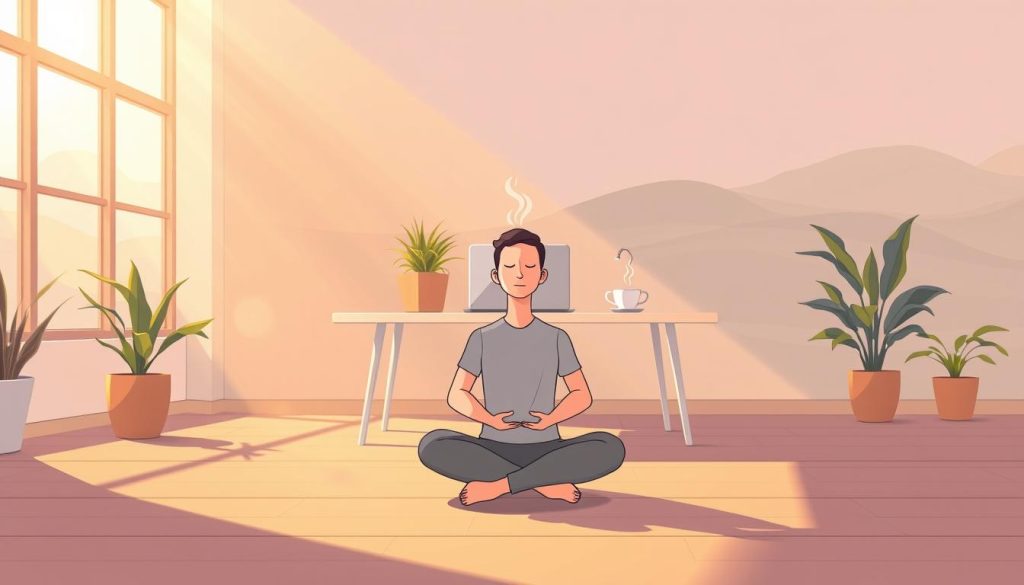
Creating Space for Mindfulness Amidst Digital Chaos
The journey toward mindful living in the context of a digital detox begins with the recognition that our environments—both physical and mental—can become cluttered by constant connectivity. As technology continues to evolve at a breakneck pace, it’s easy to lose track of our mental wellbeing. Research suggests that nearly 70% of American adults experience stress due to digital overload. Hence, exploring ways to reclaim our personal space and sensibilities through mindfulness becomes paramount.
Why Mindfulness Matters in a Digital Detox
At its core, mindfulness involves being fully present in the moment without judgment, allowing individuals to become sensitive to their thoughts and feelings. This awareness creates a sense of stillness that can be increasingly difficult to achieve in a world buzzing with notifications and digital engagements. The compulsion to check for updates can overshadow life’s intricate details—from a stunning sunset to a loved one’s laughter.
The incorporation of mindfulness into the digital detox process serves several essential purposes:
- Enhanced Self-Awareness: Mindfulness nurtures a deeper understanding of triggers related to technology usage. This awareness equips individuals to identify when they’re reaching for their phone out of habit rather than necessity.
- Improved Focus: Practicing mindfulness fosters better concentration skills, allowing individuals to engage in activities with flair and authenticity, free from the distractions that tech can cause.
- Emotional Regulation: Mindfulness techniques help in managing emotions, which can be particularly useful when dealing with the anxiety brought on by social media comparisons or information overload.
In establishing a mindful approach during a digital detox, it’s essential to embrace techniques that encourage focus and awareness. For example, individuals might opt for:
- Digital-free days: Designate specific days of the week to abstain from all digital devices, inviting the opportunity to engage in hobbies, read books, or explore new outdoor activities.
- Mindful eating practices: When consuming meals, turn off your devices, allowing the flavors, textures, and aromas of food to become the center of attention.
- Journaling sessions: As part of the detox process, maintaining a journal can help track emotions and thoughts, fostering a deeper understanding of one’s relationship with technology.
Combining mindfulness with a digital detox not only allows individuals to create a mental sanctuary but also aids in reconnecting with their environment. It’s about making intentional choices that prioritize real-world interactions and experiences over fleeting online ones. As one integrates these mindful practices, the journey transforms, leading to enhanced clarity and fulfillment.
The Importance of Setting Intentions in Digital Detox
In the journey towards mindful living and digital detox, setting clear intentions is a critical step that cannot be overlooked. Intentions act as guiding principles, helping individuals navigate their relationship with technology. By thoughtfully considering what you hope to achieve during your digital detox, you create a roadmap that aligns with your personal goals and values. This involves reflecting on how digital distractions impact your mental and physical spaces, asking yourself critical questions such as, “What do I want to gain from this experience?” and “How can I design my daily routine to honor these intentions?”It’s essential to communicate these intentions to others in your life as well. Doing so fosters a support system that encourages collective participation in the practice of mindfulness. Sharing your intent to disconnect not only creates accountability but also invites family and friends to join the journey. By doing this, you cultivate an environment that is conducive to nourishing mental and physical well-being.Moreover, integrating mindful practices—such as journaling, meditation, or engaging in nature—will help enhance your digital detox experience. These practices create space for reflection and deeper insights, fostering a sense of presence and awareness that can often be disrupted by constant connectivity. Establishing a routine that incorporates these elements allows for a more deliberate approach to living mindfully, enabling you to recognize the beauty of living in the moment.Ultimately, approaching the digital detox process with intention elevates the practice to one of self-discovery. The time spent away from screens can lead to profound realizations about what truly brings joy and fulfillment. As you navigate this journey, consider not just the absence of technology but the *presence of mindful living*—fostering connections with yourself and your surroundings. Now, let’s delve deeper into the specific advantages of mindful living in this process with our informative table.
| Advantages | Description |
|---|---|
| Enhanced Focus | Reduces distractions, allowing for greater concentration on tasks. |
| Improved Mental Clarity | Promotes clearer thinking and better decision-making skills. |
| Physical Well-being | Encourages engagement in physical activities and reduces sedentary lifestyle. |
| Stress Reduction | Facilitates relaxation and decreases anxiety levels through mindful practices. |
DISCOVER MORE: Click here to simplify your daily tasks
Nurturing Mental and Physical Spaces Through Mindful Rituals
As individuals embark on their digital detox journey, cultivating mindful rituals plays a key role in creating free mental and physical spaces. These rituals are intentional practices that encourage deeper connections with oneself and the surrounding environment. They help establish routines that ground individuals while simultaneously disconnecting from the incessant pull of digital engagement.
Rituals That Promote Mindfulness
Incorporating specific rituals into daily life can enhance the detox experience significantly. Here are some practical rituals that resonate with the principles of mindful living:
- Morning Mindfulness Practice: Begin each day with a few moments of silence before diving into daily tasks. Whether through meditation, deep breathing, or simply sipping tea while gazing out the window, this practice can set a peaceful tone for the day ahead.
- Nature Breaks: Leverage nature to cleanse your mind. Step outside and immerse yourself in the natural world, allowing the sights and sounds of nature to restore your mental peace. Research shows that spending time in nature can significantly lower stress levels, offering a refreshing reprieve from digital distractions.
- Creative Exploration: Engage in creative outlets such as painting, writing, or playing a musical instrument. These activities foster presence and allow expression without the noise of social feeds or online validation. Statistically, creative activities can boost happiness and reduce anxiety by providing an emotional outlet.
Mindful rituals also serve as a powerful reminder that life is occurring in real-time, beyond the glow of screens. Each curated moment reinforces the importance of cherishing authentic experiences, helping individuals reconnect with themselves and their surroundings.
Tech-Free Zones: Enhancing Physical Space
As part of a digital detox, creating designated tech-free zones in your home can be an effective strategy for enhancing physical space. These zones encourage non-digital activities and foster environments conducive to relationships and personal growth. Here are some ideas:
- Device-Free Dining: Establish a rule of no devices at the dinner table to encourage genuine conversation and connection with family and friends. This small practice cultivates a space where tasty meals become avenues for meaningful interactions.
- Reading Nooks: Designate cozy spaces in your home filled with books and comfort, free from electronic devices. This should be a sanctuary for diving into literature, where you can nurture your imagination and indulge in the art of storytelling without interruptions.
- Mindful Movement Areas: Incorporate spaces dedicated to physical activity—yoga, stretching, or even walking—away from technological influences. This encourages a healthier lifestyle and promotes overall wellbeing, often leading individuals toward a holistic approach to their detox process.
The very act of creating tech-free zones fosters an environment where individuals can unwind and recharge, unimpeded by the relentless demands of the digital world. The combination of mindful rituals and physical spaces rooted in mindfulness forms a robust framework for navigating the digital detox process and enhancing the journey toward mental clarity and improved physical wellbeing.
DISCOVER MORE: Click here to dive deeper
Embracing Mindful Living as a Key to Digital Detox
In conclusion, the integration of mindful living into the digital detox process emerges as a transformative approach to reclaiming one’s mental and physical spaces. By actively engaging in mindful rituals such as morning mindfulness sessions, nature breaks, and creative exploration, individuals not only combat the overwhelming effects of constant digital engagement but also foster a renewed sense of self and connection to their surroundings. These practices help to cultivate awareness and appreciation for the present moment, leading to enhanced mental clarity and emotional resilience.
The establishment of tech-free zones in our home environments further supports this journey by facilitating deeper interactions and nurturing personal growth devoid of digital distractions. Whether through device-free dining, dedicated reading nooks, or mindful movement areas, these intentional spaces encourage a lifestyle that values human connection and personal well-being over the incessant chatter of social media.
As society becomes increasingly intertwined with digital technology, the call to practice mindfulness offers a pathway toward balance and harmony. Venturing into a digital detox is not merely an act of disconnecting from devices; it is an opportunity to rediscover the richness of life beyond screens. By embracing mindful living, individuals can create nurturing environments that improve their mental and physical health, allowing them to thrive in both their personal and interpersonal relationships. Engaging with these concepts can lead to a more fulfilling existence, prompting us to ask ourselves: what will we choose to prioritize in our lives when we step away from the screen?