The Role of Veterinarians in Animal Health Education in Nigerian Communities
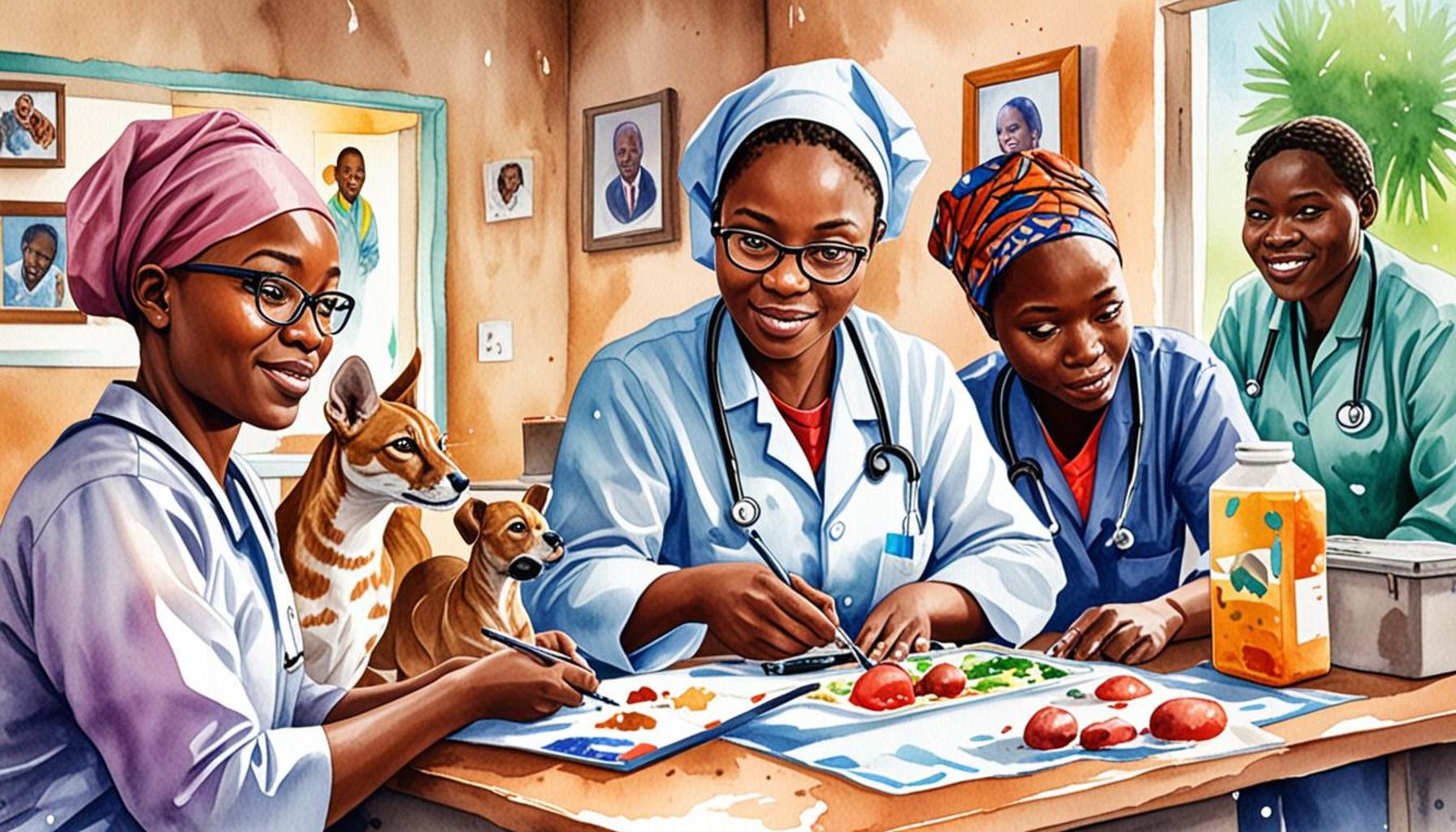
Understanding the Impact of Veterinarians
In Nigeria, the health of livestock and pets is crucial for the well-being of families and the economy. Veterinarians play a vital role in ensuring that animals are healthy and free from diseases. Their contributions extend beyond mere clinical practice; they are instrumental in educating communities about animal health and welfare. This not only benefits the animals but also enhances human health, given the close relationship between livestock health and public well-being.
Key Responsibilities of Veterinarians
Veterinarians are not just animal doctors; they serve as educators and advocates in rural and urban communities. Their responsibilities encompass a wide range of essential activities aimed at improving both animal care and public health. Below are key areas where their impact is evident:
- Providing training on animal care and husbandry: Veterinarians conduct training sessions for farmers on proper feeding practices, breeding techniques, and environmental management to ensure optimal growth and productivity.
- Promoting vaccination and disease prevention methods: They are pivotal in implementing vaccination drives to combat endemic diseases such as Newcastle disease in poultry and foot-and-mouth disease in cattle. Through community outreach, they dispel myths about vaccinations, assuring farmers of their significance.
- Disseminating information on zoonotic diseases: Zoonotic diseases, which are transmitted from animals to humans, are a significant public health concern in Nigeria. By raising awareness about diseases such as rabies and brucellosis, veterinarians help communities take preventative measures, thereby safeguarding both animal and human populations.
Through workshops and outreach programs, veterinarians equip farmers with best practices for raising healthy animals. This education is critical in a country where livestock contributes significantly to food security and livelihood. A well-informed farming community can increase livestock productivity, resulting in more nutritious food sources and better economic outcomes.
The Need for Enhanced Education
Despite the challenges, such as limited resources and awareness, the commitment of veterinarians remains steadfast. Their efforts in educating community members lead to several positive outcomes. These include:
- Improved animal productivity: Healthy animals lead to increased milk yields, meat production, and egg output, which significantly boosts the income of farming families.
- Better human health through reduced transmission of diseases: By minimizing the incidence of zoonotic diseases through vaccinations and proper animal management, veterinarians play an invaluable role in protecting community health.
- Enhanced economic stability for families reliant on animal husbandry: The livestock sector is a crucial part of Nigeria’s economy. Increased animal productivity translates into higher earnings for families, helping them to improve their livelihoods.
The role of veterinarians in animal health education in Nigerian communities is an essential aspect of promoting sustainable development and welfare. Their expertise and outreach are vital in transforming agricultural practices and fostering a culture of health and safety. Understanding this dynamic opens doors to a healthier future for both animals and humans alike, ensuring a robust agricultural framework that supports local economies and enhances food security.
SEE ALSO: Click here to read another article
Empowering Communities Through Veterinary Education
In the heart of Nigeria’s agricultural landscape, veterinarians serve as vital cogs in the machinery that supports both animal welfare and the community’s overall health. Their essential contributions extend far beyond traditional veterinary practices, as they engage in education initiatives tailored to address the unique challenges faced by local farmers. By equipping communities with vital knowledge, veterinarians play an indispensable role in enhancing animal health, which, in turn, fosters food security and economic stability.
Bridging Knowledge Gaps
Many rural communities in Nigeria grapple with a lack of access to reliable information regarding animal health. Veterinarians fill this gap by delivering crucial insights that empower farmers to make informed decisions about their livestock. Their educational outreach often includes the following focus areas:
- Animal Nutrition: Proper nutrition is foundational to animal health. Veterinarians teach farmers about balanced diets, appropriate feed types, and the nutritional requirements of different livestock species. This knowledge not only promotes growth but also increases resilience against diseases.
- Husbandry Practices: Educating farmers about best husbandry practices is key to enhancing productivity. Veterinarians provide training on effective breeding techniques and hygiene practices that contribute to overall animal welfare.
- Understanding Signs of Illness: Early detection of illness is critical for livestock health. By training communities on recognizing symptoms of common diseases, veterinarians empower farmers to seek timely treatment, thus preventing outbreaks that could affect entire herds.
Moreover, veterinarians frequently utilize engaging workshops and hands-on demonstrations to make learning more accessible and relatable. These sessions not only enhance understanding but also foster a sense of community among participants, as they share experiences and challenges related to animal husbandry.
Addressing Cultural Beliefs and Myths
Nigeria’s diverse cultural landscape often influences perceptions regarding animal health practices, leading to resistance against modern veterinary approaches. Veterinarians play a crucial role in addressing these cultural beliefs by engaging with community leaders and utilizing culturally sensitive methods to convey important health messages. Through dialogue and education, they work to debunk myths that may hinder the acceptance of necessary health interventions, such as vaccinations.
The mission to improve livestock health and ensure food security hinges on effective education. As the backbone of the Agricultural sector, a well-informed community can make strides toward achieving sustainable practices that benefit both animals and humans. With a holistic approach that marries scientific knowledge with local customs, veterinarians are paving the way for a healthier future in Nigeria.
The Role of Veterinarians in Animal Health Education in Nigerian Communities
Veterinarians play an indispensable role in the realm of animal health education, particularly within Nigeria’s diverse communities. As trusted sources of knowledge, these professionals not only provide medical care for animals but also serve as vital educators to farmers and pet owners. By offering informative workshops, seminars, and training sessions, veterinarians help raise awareness about the importance of animal health and welfare, which is essential for sustainable livestock farming and responsible pet ownership.In Nigerian communities, veterinarians assist in addressing common issues such as disease prevention, nutritional needs, and proper husbandry practices. They educate farmers on the significance of vaccinations and regular check-ups, promoting a proactive approach to animal health. Furthermore, veterinarians can impart knowledge on zoonotic diseases, which pose serious health risks both to animals and humans. This dual focus—on both animal wellness and public health—highlights the multifaceted contributions of veterinarians.To spark interest among community members, veterinarians utilize hands-on demonstrations and interactive discussions. Such approaches help demystify veterinary practices and encourage active participation from the community. Moreover, by leveraging local languages and culturally relevant materials, these professionals enhance communication and ensure that critical health messages are understood and adopted.Clearly, the involvement of veterinarians transcends mere medical obligations. Their role as educators fosters healthier livestock populations, supports food security, and enhances the overall quality of life for both animals and their human counterparts in Nigerian communities. As awareness increases, communities are likely to observe a decrease in animal-related health issues and an enhancement in the socio-economic status of individuals relying on animal husbandry for their livelihoods.
| Advantages | Details |
|---|---|
| Education and Awareness | Veterinarians create awareness about disease prevention and management. |
| Community Engagement | Interactive workshops help foster strong relationships with local farmers. |
The necessity for veterinarians in animal health education is clear. By continuing to engage and educate, they ensure robust animal health management across Nigerian communities, a factor crucial for overall societal development.
LEARN MORE: This related article may interest you
Building Resilience Through Community Partnerships
Beyond their direct educational efforts, veterinarians in Nigeria are catalyzing change by forging partnerships with local communities, non-governmental organizations (NGOs), and governmental agencies. These collaborations often serve as platforms for resource mobilization, enabling more extensive reaches into rural areas where access to veterinary education and services can be severely limited. Through these partnerships, veterinarians can leverage combined expertise and resources to introduce sustainable animal health education programs that address the multifaceted needs of the communities.
Innovative Approaches to Training
Veterinarians are increasingly employing innovative training methodologies to engage young people in animal health education. Programs targeting youth not only cultivate the next generation of farmers but also promote a culture of animal husbandry that is grounded in science. For instance, institutions like the Nigerian Veterinary Medical Association have initiated youth camps that combine education with real-world experience. Workshops and seminars allow participants to gain hands-on training alongside expert veterinarians, enhancing their comprehension of animal welfare practices, health protocols, and bio-security measures.
Furthermore, the use of digital platforms is becoming an essential component of veterinary education. With the rise of mobile technology, veterinarians are utilizing social media and messaging apps to disseminate information rapidly. Educational videos, infographics, and informational webinars on topics such as disease prevention and livestock management are being shared across various digital channels. This not only complements traditional education methods but also reaches a wider audience, fostering a more informed population.
Advocating for Policy Changes
Veterinarians also engage in advocacy efforts aimed at influencing policies that govern animal health in Nigeria. By working closely with local and national governments, they ensure that animal health issues receive adequate attention and resources. For example, collaborations between veterinarians and government bodies have successfully led to the implementation of vaccination campaigns aimed at eradicating zoonotic diseases, which are diseases that can be transmitted from animals to humans. Initiatives such as these not only protect livestock but also safeguard public health, highlighting the interconnectedness of human and animal health.
The promotion of sustainable agricultural practices is another area where veterinarians are making an impact. Through education on veterinary public health and responsible antimicrobial use, veterinarians are addressing the pressing challenges of antimicrobial resistance (AMR). This crucial education not only equips farmers with the knowledge needed to maintain animal health but also emphasizes the importance of environmental stewardship and the prevention of deleterious practices that could compromise future food sources.
As these narratives unfold, it becomes evident that the role of veterinarians in animal health education in Nigerian communities is not merely limited to healthcare. Instead, they are vibrant leaders and advocates for change, crafting a future where educated communities thrive, animal welfare is prioritized, and economic stability is achieved through informed decisions. The ongoing dedication of veterinarians to innovate and adapt their educational approaches is paving the way for enduring improvements in both animal and community health across the nation.
RECOMMENDED: Check out this similar article
Conclusion
In summary, veterinarians in Nigeria play a pivotal role in shaping animal health education and contributing to the overall well-being of communities. Their multifaceted approach combines direct educational initiatives, innovative training strategies, and robust community partnerships, creating a powerful synergy that empowers local farmers and enhances livestock management practices. By effectively leveraging technology and providing hands-on experiences, veterinarians are not only nurturing the next generation of agricultural leaders but are also fostering a culture of responsible animal husbandry rooted in scientific principles.
Moreover, their advocacy for policy changes underscores the critical link between animal health and public safety, particularly in the context of zoonotic diseases. These efforts not only safeguard livestock but also protect human populations from potential health threats. As Nigeria grapples with challenges such as antimicrobial resistance and the need for sustainable agricultural practices, the education provided by veterinarians emerges as a fundamental component in addressing these pressing issues.
Ultimately, the work of veterinarians goes far beyond clinical care; they emerge as key players in a transformative movement towards healthier animals and, consequently, healthier communities. As these professionals continue to adapt and expand their educational methodologies, they lay the groundwork for a future where both animal welfare and economic prosperity can flourish in tandem. For those interested in the complexities of this vital field, exploring the ongoing initiatives and innovations spearheaded by veterinarians in Nigeria offers an enlightening glimpse into a landscape of change, resilience, and hope.