Tips for creating functional zones in minimalist spaces
Creating Functional Zones in Minimalist Spaces
In today’s fast-paced world, the demand for minimalist spaces continues to rise. Homeowners are seeking to simplify their lives while maximizing functionality. This desire for simplicity is reflected not only in the aesthetics of a home but also in how spaces are utilized. So, how can you effectively divide your living area into distinct zones without sacrificing that coveted minimalist aesthetic? The answer lies in the concept of functional zones.
Establishing functional zones is essential for optimizing space. By doing so, you create designated areas for various activities—such as work, relaxation, and dining—enhancing both comfort and utility. Whether you live in a studio apartment or a spacious home, careful planning can ensure that every corner serves a purpose. Consider the following key aspects:
- Define Activities: Start by identifying what each zone will be used for. Do you need a quiet corner for reading, a workspace for your remote job, or an area for entertaining guests? By outlining the primary functions, you can better structure the layout.
- Use Furniture Wisely: Opt for multipurpose furniture that fits seamlessly into the space. For example, a fold-out desk doubles as a dining table, while ottomans can serve as both seating and storage. This approach not only saves space but also aligns with minimalist principles by maintaining a clean and uncluttered look.
- Incorporate Color and Texture: Use subtle differences in color or texture to visually separate zones. A soft area rug can define a lounge space within a larger room, while accent pillows or wall art can signify a vibrant workspace. Even varying shades of white or neutral tones can create distinct areas without overwhelming the visual simplicity.
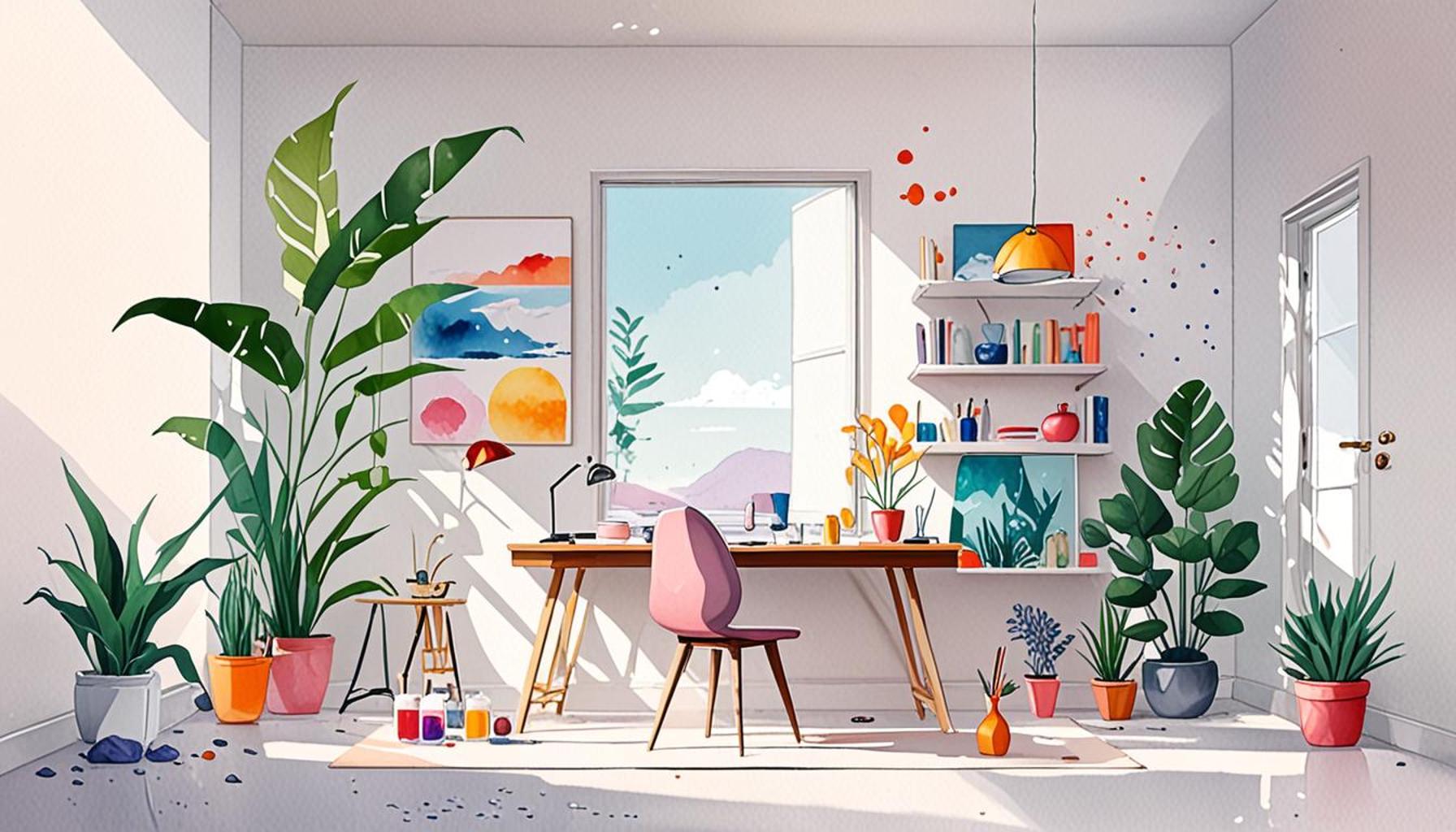
Understanding these principles allows you to create an inviting atmosphere tailored to your unique needs. For instance, a well-defined work zone may include a sleek desk, an ergonomic chair, and a few neatly organized storage solutions, all focused on enhancing productivity. Meanwhile, a cozy relaxation nook could feature a plush chair and soft lighting, creating a serene ambiance.
Implementing functional zones not only promotes efficiency but also maintains the clean lines and simplicity characteristic of minimalist design. By carefully considering how each area interacts with the others, you foster a harmonious flow throughout your home, transforming it into a retreat from the chaos of everyday life.
As you embark on your journey to redesign your space, keep in mind the exciting possibilities that await within each zone. Take the time to experiment with layouts, test furniture arrangements, and embrace the freedom that comes from a well-organized minimalist environment. With a thoughtful approach, maximizing functionality while preserving the essence of minimalism becomes an achievable reality.
Dive deeper: Click here for optimization strategies
Strategically Planning Your Layout
When it comes to creating functional zones in minimalist spaces, the first step is developing a strategic layout that resonates with your lifestyle. Consider the specific elements that define the zones: functionality, accessibility, and visual appeal. A well-thought-out plan lays the foundation for seamless transitions between different areas, allowing you to maximize utility without sacrificing the minimalist charm.
Begin by sketching your floor plan. This exercise can help visualize the potential of your space, making it easier to designate zones tailored to your needs. Here are some tips to consider while drafting your layout:
- Measure Your Space: Accurate measurements of your area are crucial. Knowing how much room you have to work with allows you to pick appropriately-sized furniture and avoid overcrowding your zones.
- Prioritize Popular Activities: Identify the functions you engage in most often. If you frequently work from home, a desk area should take precedence. Alternatively, if you entertain guests regularly, focus your layout around a social zone.
- Consider Traffic Flow: Visualize how you and your guests will move through the space. Ensure that there’s ample room to navigate between zones, promoting ease of access while maintaining a clean aesthetic.
Establishing clear boundaries between functional zones enhances your minimalist experience. You can achieve this without the need for bulky dividers that disrupt open space. Instead, consider using furniture arrangements to create visual separations. For example, placing a sofa back-to-back with a dining area can signal distinct zones while fostering a sense of unity.
Utilizing Natural Light and Shadows
Light plays a pivotal role in defining zones within a minimalist space. Maximizing natural light and understanding how shadows shift throughout the day can help guide your design. By positioning reflective surfaces, like mirrors or light-colored furniture, you can enhance brightness and make zones feel more expansive. Conversely, consider how darker corners could symbolize a retreat area, perfect for relaxation or contemplation.
Incorporating plants within your zones can further enhance the division, providing a natural element that brings warmth and life to your space. Plants not only act as decorative features but also improve air quality, making them a functional asset in any zone.
As you refine your layout to accommodate functional zones, remember that the essence of minimalism thrives on simplicity and purpose. The goal is to create a space that feels cohesive and inviting, allowing for easy transitions between different areas of activity. By approaching your design thoughtfully, you not only create a home that serves your needs but also one that emanates tranquility and order.
Strategies for Defining Functional Zones
Creating functional zones in minimalist spaces is essential for maximizing their potential while maintaining a clean and uncluttered aesthetic. One effective strategy is to use furniture to demarcate different areas. Low-profile furniture, such as a sleek sofa or a compact desk, can establish a boundary without overpowering the space. Similarly, transparent elements like glass tables or acrylic chairs can offer a sense of openness while still serving a functional purpose.
Another tip is to utilize area rugs as visual cues. By placing rugs in specific zones, such as under a coffee table or a dining set, you can delineate spaces for different activities, creating a sense of order and organization. In addition, consider the use of multifunctional furniture. Pieces such as ottomans with storage or sofa beds not only save space but also contribute to the functionality of each area while retaining the minimalist charm.
Incorporating Vertical Space
Maximizing vertical space is another key aspect of effective zone creation. Wall-mounted shelves, for instance, can display decorative items or books without consuming valuable floor space. This technique draws the eye upward and enhances the feeling of an open environment, making the area not only more functional but also more visually appealing.
When planning your zones, always keep in mind the flow of movement throughout the space. Ensure that there is enough room between furniture pieces to allow for easy navigation, which is vital in maintaining a serene ambiance inherent in minimalist design.
| Category | Details |
|---|---|
| Furniture Arrangement | Strategically placing furniture defines zones and ensures flow. |
| Use of Rugs | Rugs help visually separate areas for different activities without cluttering. |
By incorporating these strategies into your minimalist space, you can create clearly defined functional zones that enhance both usability and aesthetics, making the most out of every square foot. To delve deeper into successful zoning techniques, consider exploring minimalist design concepts further.
DISCOVER MORE: Click here to enhance your productivity
Incorporating Versatile Furniture Solutions
Once you’ve mapped out your layout, the next important element in creating functional zones in minimalist spaces is incorporating versatile furniture. In a world where maximizing functionality is key, furniture that serves multiple purposes can significantly enhance your ability to maintain a clean and organized environment while supporting different activities. Here are a few effective strategies:
- Select Multi-Functional Pieces: Look for furniture that can adapt to different uses. For instance, a sofa bed can transform your living area into a guest bedroom, while an ottoman with storage can serve as both seating and a place to keep blankets or books.
- Go for Expandable Tables: If you frequently entertain, an extendable dining table is a game-changer. It allows you to easily accommodate guests while being compact on regular days. This flexibility is essential in balancing utility with a streamlined visual aesthetic.
- Use Folding Furniture: Folding chairs or desks can be conveniently tucked away when not in use, allowing for an uninterrupted flow through your home. This is especially effective in small spaces where every square foot counts.
When selecting furniture, pay careful attention to scale and proportion. Opt for pieces that are appropriately sized for your space to avoid overwhelming the room. In minimalist design, even the smallest details matter; a sleek coffee table can contribute to a sense of openness, while oversized items can make a space feel cramped.
Color and Material Considerations
The color palette and materials you choose will also play a significant role in establishing functional zones. Minimalist design thrives on a cohesive color scheme that enhances the sense of tranquility. Consider these approaches:
- Stick to Neutrals: Soft, neutral colors can create a calming atmosphere and allow for easy blending between functional areas. Shades of white, beige, or gray prevent visual clutter and provide a backdrop for statement pieces.
- Use Color to Differentiate Zones: While a neutral base is essential, feel free to explore color accents that delineate various areas. For instance, an accent wall behind a desk or a vibrant rug beneath a seating area can visually affirm distinct functional purposes within the space.
- Choose Natural Materials: Materials like wood, metal, and stone not only offer durability but also enhance visual appeal through texture. Using natural elements connects your living space to nature, further invoking the minimalist ethos of simplicity and authenticity.
As you refine your functional zones, remember that every element should serve a dual purpose – both in functionality and aesthetics. This philosophy is at the very core of creating a space that feels uncluttered while still accommodating your unique lifestyle needs. Thoughtful selection of furniture and materials will seamlessly promote operations within each zone, supporting both everyday needs and hosting efforts.
In doing so, you pave the way for a minimalist environment that encourages both productivity and relaxation, reflecting a harmonious balance between style and usage. Whether you are designing a small apartment, a studio, or transitioning a larger home into a minimalist sanctuary, these tips help define spaces that feel not only functional but also profoundly inviting.
DIVE DEEPER: Click here to learn more
Conclusion
In summary, creating functional zones in minimalist spaces requires a thoughtful approach that embraces both aesthetics and practical needs. The core principles revolve around understanding your space, selecting versatile furniture, and carefully considering color and materials. By mapping out your layout and establishing distinct areas for various activities, you empower a fluid and efficient home environment.
As you invest in multi-functional furniture, such as sofa beds or expandable tables, you turn constraints into possibilities, maximizing every square foot. Moreover, the choice of a cohesive color palette—primarily soft neutrals, with strategic color accents—can foster a sense of tranquility while clearly defining each zone. Incorporating natural materials not only enhances durability but also promotes a connection to the world outside, reinforcing the minimalist spirit of calm and authenticity.
Ultimately, the journey to a well-organized minimalist space is about finding harmony between functionality and design. Each piece you select should contribute to an overall vision—one where every element serves a purpose, creating an inviting atmosphere that supports your lifestyle. Whether you are decluttering a small apartment or transforming a spacious home, these tips will guide you in crafting functional areas that inspire both relaxation and productivity. Embrace the minimalist ethos and discover how your living space can be both beautifully simple and incredibly practical.