Training Pets for Elderly Companionship in Nigeria
The Need for Pet Training Among the Elderly
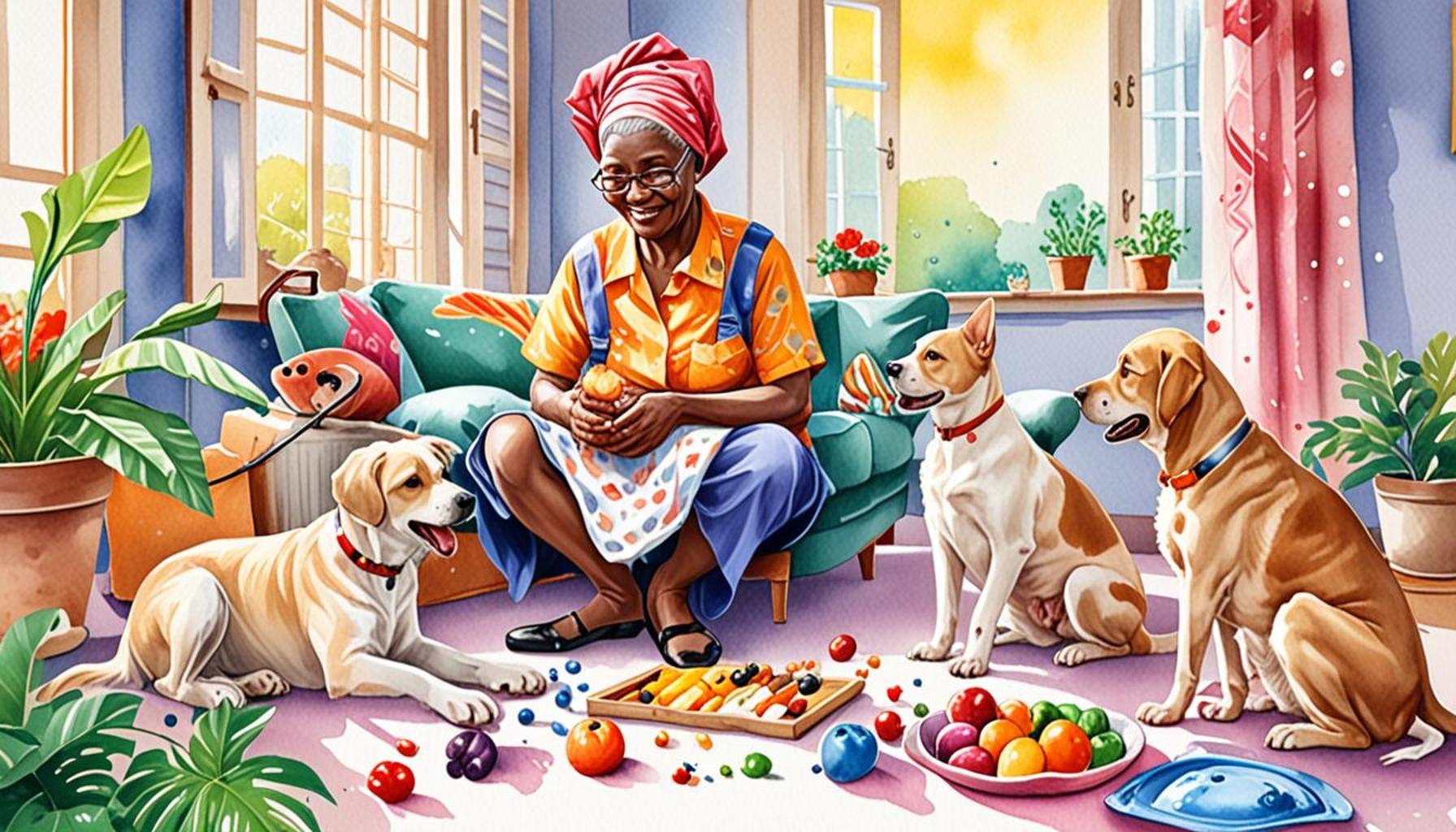
In Nigeria, the growing trend of pet ownership among the elderly highlights an important shift in societal attitudes, where animals are increasingly viewed as vital companions for emotional support and overall well-being. This integration of pets into the lives of senior citizens presents a unique opportunity to not only enhance their quality of life but also to tackle issues related to loneliness and social isolation. Proper training of these companions is essential, as it shapes the relationship between pet and owner, ensuring safety and fostering a lifelong bond.
Social isolation can significantly impact the health of elderly individuals, leading to various physical and mental health challenges. The pandemic, in particular, has underscored the necessity for companionship, as many have experienced the adverse effects of isolation. Engaging with pets can provide the critical interaction that mitigates feelings of solitude, which is especially relevant in a country like Nigeria where communal living often supports elder care.
The benefits of having a pet are manifold. For instance:
- Emotional Support: Pets offer an unwavering source of love and companionship. Their non-judgmental nature can provide comfort to elderly individuals navigating life changes, such as retirement or the loss of a spouse.
- Physical Activity: Regular walks with dogs or playful interactions with cats not only keep pets active but also encourage elderly owners to engage in physical activity, which is critical for maintaining health and mobility.
- Routine Structure: Caring for a pet requires a daily commitment, which can help instill a sense of purpose and structure in the lives of older adults. This routine can also stimulate mental engagement and responsibility.
When considering the types of pets that serve as companions for the elderly, dogs and cats dominate, each requiring tailored training methods to fit their personalities and behaviors. For instance, while dogs may need basic training such as sit, stay, or come, cats might require less formal training but benefit from strategies that promote positive behavior, like litter box training or playtime techniques. It is crucial to take cultural attitudes toward pets in Nigeria into consideration during the training process, as these perspectives can influence how families integrate animals into their routines.
The future of elderly care solutions in Nigeria must pay attention to the relationships forged between seniors and their pets. Training these animals effectively can yield more than just obedience; it nurtures a bond that enriches both the pet’s and the owner’s lives. As communities recognize the mutual benefits of this companionship, there is a growing awareness of the significance of pet training in creating a supportive environment for the elderly. This holistic approach not only enhances individual lives but strengthens community connections, vital for a happier, healthier society.

SEE ALSO: Click here to read another article
Understanding Pet Training Needs for the Elderly
As the elderly population in Nigeria embraces companionship with pets, understanding the importance of effective pet training becomes increasingly critical. Training is not merely about teaching pets commands; it is fundamentally about fostering a nurturing environment that facilitates positive interactions between seniors and their beloved animals. A well-trained pet can provide the comfort and reliability that older adults seek, but this requires a commitment to proper training methodologies tailored to individual needs.
In Nigeria, where many families are rooted in cultural traditions, the type of pets commonly kept for companionship are typically dogs and cats. Each species demands specific training approaches to ensure they adapt well to their owner’s lifestyle. For dogs, training often begins with fundamental commands such as “sit,” “stay,” “down,” and “come.” These commands are not just essential for obedience, but they also empower elderly owners by allowing them to manage their dog’s behavior effectively, enhancing the bond they share.
For instance, teaching a dog to wait patiently at the door before going for a walk can instill a sense of calm and order in a senior’s daily routine. Furthermore, simple training exercises can be adapted to accommodate physical limitations commonly faced by the elderly, reducing stress during interactions. On the other hand, training cats can differ significantly; while they are often more independent, positive reinforcement techniques—such as rewarding them for using the litter box—can be highly effective.
Benefits of Pet Training for the Elderly
Pet training for elderly individuals offers several significant advantages that extend beyond companionship. These benefits include:
- Enhancing Safety: A well-trained pet is less likely to engage in dangerous behaviors, such as jumping on unfamiliar visitors or running into traffic. This is particularly crucial for elderly owners who may have mobility issues.
- Improving Confidence: Training builds confidence in both the pet and the owner. When elderly individuals see their pets respond to commands, it reinforces their ability to manage their environment and fosters a sense of accomplishment.
- Encouraging Social Interaction: Trained pets can serve as conversation starters when out in the community, helping the elderly engage more with others, thus reducing feelings of isolation.
- Strengthening Emotional Bonds: The process of training fosters a deeper connection between the pet and the owner, as they learn to communicate and understand each other’s cues, leading to a more harmonious relationship.
Moreover, awareness of the cultural attitudes toward pets in Nigeria plays a crucial role in shaping training practices. Many communities hold specific beliefs about animal care that influence how pets are integrated into the lives of elderly individuals. Adjusting training methods to align with these cultural norms not only facilitates acceptance but also promotes a positive pet ownership experience.
In summary, training pets for elderly companionship in Nigeria is of paramount importance. By investing in learning experiences that develop essential skills in pets, families can create an enriching environment that supports both the elderly and their furry companions. As the conversation around elderly care continues to evolve, integrating effective pet training into daily routines can transform lives, fostering not just companionship but a profound sense of community and belonging for senior citizens across Nigeria.
| Advantage | Description |
|---|---|
| Enhanced Mental Health | Pets provide emotional support, reducing feelings of loneliness and depression among the elderly. |
| Encouragement for Physical Activity | Regular walks and playtime with pets encourage seniors to stay active, improving overall health. |
Through the effective training of pets for elderly companionship, caregivers in Nigeria can foster strong, beneficial relationships between animals and seniors. These engagements not only create a nurturing environment but also enhance the quality of life. One of the most significant aspects is the strong bond formed, which has been shown to lead to lower blood pressure and reduced stress levels. Dogs, for example, can engage seniors in daily routines that promote an active lifestyle, further contributing to their well-being.Moreover, involving pets in scheduled routines can promote responsibility, stimulating cognitive functions. This interaction can lead to increased motivation in elderly individuals, as they become more attentive and responsive in their daily activities. The presence of a trained pet tailors both emotional and physical support, making it a beneficial initiative for communities across Nigeria.
SEE ALSO: Click here to read another article
The Role of Community Resources in Pet Training
In Nigeria, as the notion of training pets for elderly companionship gains traction, the support from community resources becomes invaluable. Various organizations, both governmental and non-governmental, have begun to recognize the significance of pets in the lives of the elderly. These entities often provide essential training programs tailored specifically for senior citizens, aiming to promote responsible pet ownership while enhancing the bond between elder caregivers and their animals.
Local animal shelters and veterinary clinics frequently organize workshops and training sessions where families can learn essential skills. For example, in major cities like Lagos and Abuja, initiatives might include group training classes, which not only help teach the pets but also foster social interaction among elderly participants. These sessions highlight practical commands and behavioral techniques, addressing the unique needs of older owners, many of whom might face physical challenges. Knowledge on leash handling, for instance, can significantly reduce the risk of falls while walking the dog.
Emphasizing Positive Reinforcement Techniques
Central to effective pet training is the concept of positive reinforcement. This technique is especially wonderful for elderly pet owners, who may appreciate gentle and non-confrontational methods. Understanding that rewards such as treats, praise, or playtime encourage desired behaviors is crucial for successful training. For instance, in the context of Nigeria, using locally available treats—like small pieces of boiled yam or fish—can effectively motivate pets while allowing elderly owners to employ culturally familiar methods in training their companions.
Additionally, the incorporation of local dialects in command language can make training sessions more relatable and enjoyable. Imagine an elderly person commanding their dog in Yoruba with a simple “dide” (meaning “sit”)—this creates a comforting ambiance where communication barriers are minimized, thus enhancing the effectiveness of the training.
The Impact of Technology on Pet Training
The rise of technology has also paved the way for innovative training tools that can assist elderly pet owners. Numerous mobile applications are now designed to facilitate pet training with instructional videos, tracking progress, and even providing reminders for training sessions. This is particularly beneficial in Nigeria, where smartphone penetration is on the rise, allowing seniors to access resources at their fingertips. Furthermore, virtual training sessions can connect seniors with expert trainers, creating opportunities for learning without the need for physical travel.
Another notable technology-driven initiative is the collaboration between pet product companies and local trainers to provide online workshops. For example, the Nigerian startup scene has started to include platforms that focus on pet services, extending training aids specifically designed for the elderly. Such innovations reflect a growing awareness and adaptation to support the health and well-being of senior citizens through effective pet companionship.
Community Engagement and Volunteering
Community engagement plays a vital role in promoting pet training for the elderly. By establishing volunteer programs within neighborhoods, youth can be encouraged to assist seniors in training their pets, creating a win-win scenario. Such initiatives not only lighten the training burden on older adults but also foster intergenerational bonds and mutual respect. Young volunteers gain valuable experience working with animals, while seniors enjoy companionship and support during training.
In Lagos, for example, volunteer groups may come together to organize “Pet Training Days,” allowing seniors to learn while participating in a community event, further restoring a sense of purpose and belonging among the elderly. Many families also find comfort knowing their pets receive socialization, which is essential for their development, while their elders engage in valuable, enriching activities.
Ultimately, the evolution of pet training resources tailored for elderly companionship in Nigeria is promising. By harnessing community resources, technological advancements, and cultural practices, a new paradigm of care is emerging—one that supports both the elderly populace and their beloved pets. As this understanding spreads across Nigeria, it has the potential to transform the landscape of pet ownership, enhancing the quality of life for seniors and their furry friends.
CHECK OUT: Click here to explore more
Conclusion: Enriching Lives Through Pet Training
As this article has explored, training pets for elderly companionship in Nigeria is a multi-faceted endeavor that encompasses community resources, positive reinforcement techniques, and technological innovations. The profound impact of pets on the lives of seniors cannot be overstated; they offer companionship, emotional support, and a sense of purpose. The growing recognition of this bond is reflected in the initiatives taken by organizations and community groups to foster effective pet training programs aimed at the elderly.
The integration of culturally relevant practices, such as using local dialects and familiar treats, creates an inclusive training environment that resonates with older owners. Additionally, the availability of technology—ranging from mobile apps to online workshops—provides valuable resources to ensure that the training process is accessible and effective. The role of community engagement and volunteering further strengthens social connections, bridging the gap between generations and promoting mutual respect and understanding.
Moving forward, it is essential for more communities in Nigeria to embrace these opportunities and expand the accessibility of pet training resources. By prioritizing the well-being of both elderly individuals and their pets, we can pave the way for richer, more fulfilling lives. This initiative stands to not only enhance the quality of life for seniors but also to foster a deeper societal appreciation for the role that pets play in our lives. As these efforts gain momentum, the vision of a thriving community supporting elderly companionships through pets can become a reality, transforming how we view and interact with animals in our society.