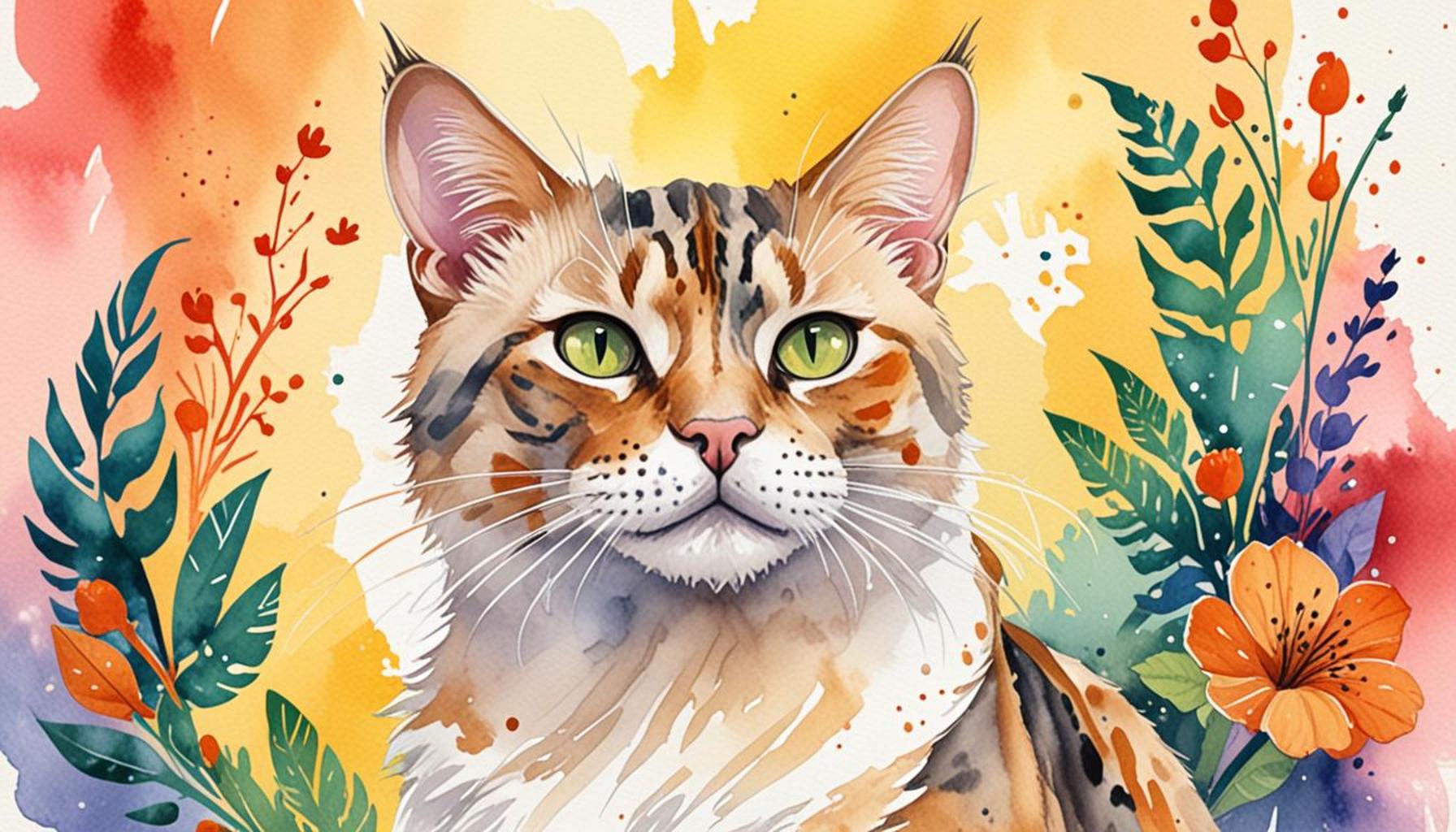
Wild Cat Breeds and Their Adaptation to the Nigerian Urban Environment
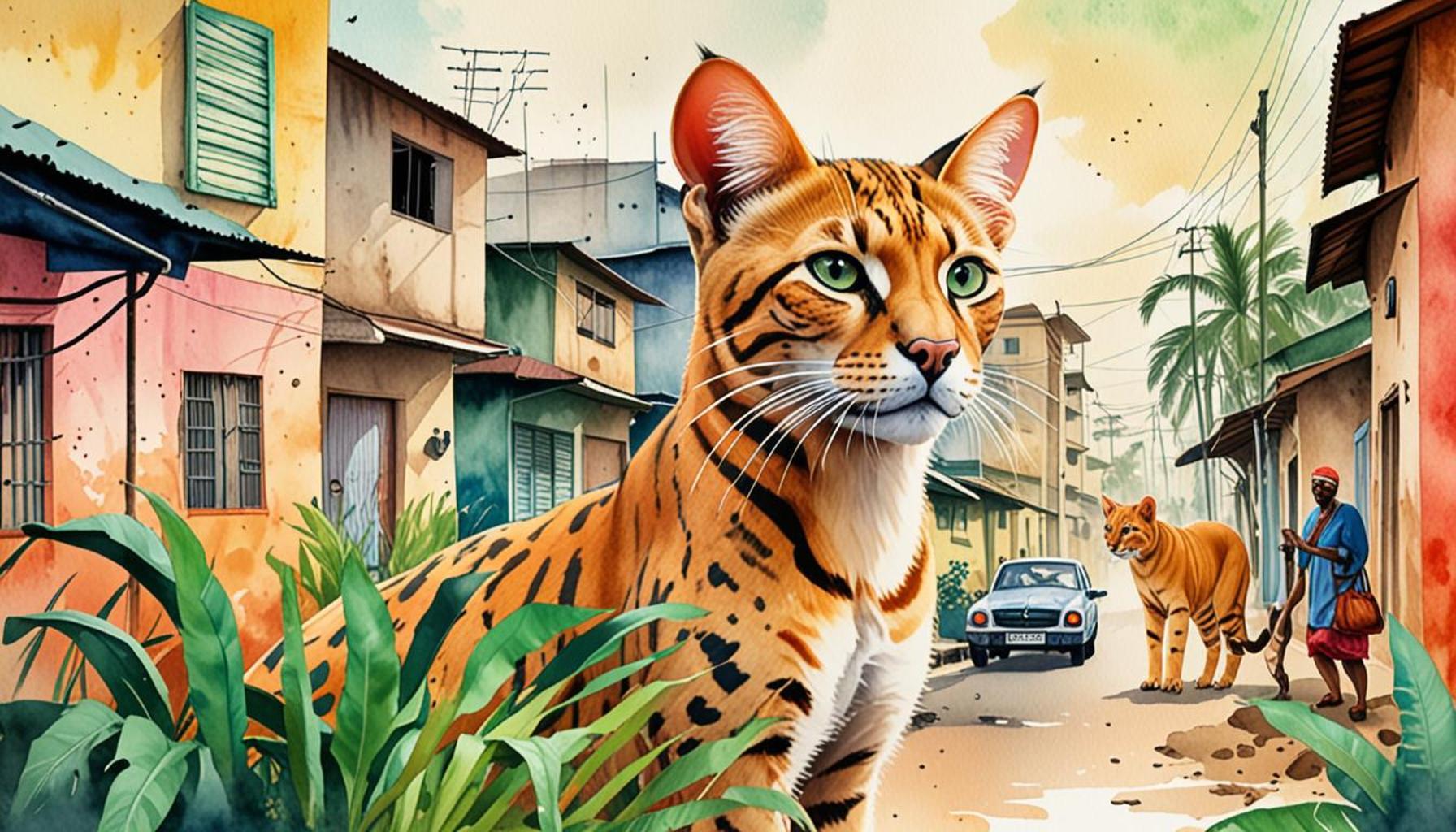
Urban Jungle: The Resilience of Wild Cats
In the bustling streets and vibrant neighborhoods of Nigeria, a diverse array of wild cat breeds has emerged as unexpected yet integral components of urban life. These felines not only display remarkable adaptability but also highlight the ongoing intersection between nature and urbanization. Understanding their survival strategies opens a window into their extraordinary lives.
Among the most prominent wild cat breeds found in Nigerian cities are:
- African Wildcat – This breed, a direct ancestor of domestic cats, has persisted in both rural and urban settings. Its ability to blend into various environments makes it a common sight in areas like Lagos and Abuja, often scuttling through residential neighborhoods in search of birds or rodents.
- Serval – Characterized by its long legs and large, tufted ears, the serval is frequently spotted near water sources such as lagoons or riverbanks. In urban settings, it can adapt by hunting in parks or gardens, showing remarkable agility that allows it to leap high to catch birds and rodents.
- Sandy Cat – Though lesser-known, this breed has found its niche within the sandy terrains of urban areas. Its remarkable coat and behavior allow it to camouflage effectively, supporting its survival as it preys on small mammals and insects that thrive in human-altered landscapes.
These species exhibit unique adaptations that enable them to thrive in urban environments that can be harsh. Some key features of their adaptation include:
- Mastering urban hunting techniques – Wild cats in Nigeria have developed specialized hunting strategies to target rodents, birds, and other small prey that populate cities. The presence of open garbage in markets or near restaurants provides abundant opportunities for these cats.
- Utilizing urban structures for shelter and breeding – Tall buildings, abandoned lots, and overgrown gardens serve as perfect hideouts for these wild cats. They often use the nooks and crannies of urban architecture to rest and rear their young, blending seamlessly into the human environment.
- Integrating into the local ecological system – As they adapt to their surroundings, these wild cats play a critical role in maintaining the balance of local ecosystems by controlling rodent populations. This can have a positive impact on agriculture in nearby areas, indicating that their presence is beneficial.
As urban expansion continues, wild cat breeds are encountering new challenges and opportunities. Their ability to coexist with humans amidst the chaos of city life not only illustrates their resilience but also emphasizes the pressing need for awareness and conservation efforts. The presence of these cats invites an intriguing dialogue about the balance between development and wildlife preservation.
Exploring these adaptations provides deeper insights into the evolving relationship between wildlife and urban ecology in Nigeria. Understanding how wild cats navigate their urban jungle invites us to reflect on our shared spaces and the delicate threads that connect urban residents with their wild counterparts.
CHECK OUT: Click here to explore more
Ingenious Survival Strategies of Urban Wild Cats
In the heart of Nigeria’s cities, the adaptability of wild cat breeds is a testimony to the resilience of wildlife amidst rapid urbanization. As streets buzz with traffic and markets hum with life, these feral felines have learned to navigate the complexities of urban existence, forging a unique relationship with their human neighbors. While the challenges are many, these wild cats exhibit incredible survival strategies that highlight their resourcefulness.
One of the most fascinating aspects of wild cats in urban Nigeria is their hunting prowess. With an abundance of prey such as rats and pigeons, these cats have tailored their hunting techniques to capitalize on the opportunities created by the urban landscape. For instance, in open-air markets, where discarded food lies in wait, wildcats like the African Wildcat have honed their skills to scavenge effectively. Observations in cities like Lagos show that these hunters often wait patiently in the shadows, ready to pounce on unsuspecting birds or rodents that venture too close.
Aside from their effective hunting methods, the clever utilization of urban structures is a critical element of their adaptation. Tall buildings, under-construction sites, and abandoned cars serve as both safe havens and breeding grounds for these cats. The architectural landscape of cities like Abuja provides ample nooks and crannies where cats can rest and rear their young away from potential threats. For instance, servals have been spotted using the dense greenery in urban parks to not only hunt but also establish temporary nests where they can nurture their kittens.
The key to their success in the urban jungle, however, lies in their ability to integrate into the local ecological system. By controlling the population of rodents, wild cats play a vital role in maintaining a balance that benefits urban communities. This balance is particularly important in agricultural areas surrounding cities, where rodents can devastate crops. The presence of these wild cats indirectly supports local farmers, illustrating the interconnectedness of urban wildlife and human activities.
Moreover, these species are not merely occupying urban spaces; they are altering their behavior to thrive alongside humans. For example, the Sandy Cat has adapted its nocturnal habits, becoming more active during the night when the streets are less crowded, thus minimizing encounters with people. This behavioral modification is crucial for their survival in an environment where human presence is constant.
As cities continue to expand, the existence of wild cats in urban areas raises questions about biodiversity and coexistence. The myriad of adaptations that allow these felines to survive offers a glimpse into a world where nature and urban life intersect. Understanding how wild cats navigate through this ‘urban jungle’ is essential for fostering a harmonious relationship between wildlife and humans in Nigeria.
Understanding the Adaptation of Wild Cats
The adaptation of wild cat breeds to the Nigerian urban environment is a fascinating subject that emphasizes the remarkable resilience and incredible survival instincts of these animals. Cities like Lagos and Abuja present unique challenges such as human interference, pollution, and habitat loss, yet some wild cat breeds have shown an astonishing ability to thrive under these circumstances.
The Role of Urban Settings in Evolution
Urban settings alter ecological dynamics, influencing food sources and territorial behaviors. Wild cat breeds, such as the African Golden Cat and Serval, are increasingly seen in urban areas as they hunt for rodents and other small mammals that thrive in human-created environments.
Key Traits for Urban Survival
Adaptability is a critical trait that aids the survival of wild cat breeds in cities. These animals have developed behaviors such as nocturnal hunting to avoid human encounters and using back alleys and overgrown gardens as cover. Their keen senses, including enhanced sight and hearing, enable them to detect prey and avoid potential dangers effectively.
Moreover, wild cats demonstrate remarkable dietary flexibility. While they continue to prey on traditional targets, they have also adapted to consume urban wildlife, such as pigeons and domestic rodents. This adaptability not only aids their survival but also helps control urban rodent populations, highlighting their ecological importance in urban environments.
Conservation Efforts and Challenges
Conservation efforts are crucial in balancing the coexistence of wild cats within urban settings. Initiatives fostering habitat preservation and public awareness of the ecological role of these cats can lead to healthier urban ecosystems. However, ongoing risks, including traffic accidents and habitat fragmentation, remain prevalent threats.
Through understanding and supporting wild cat breeds in urban settings, we can foster a unique harmony between wildlife and human advancement, leading to richer biodiversity in city landscapes.
| Category | Advantages |
|---|---|
| Adaptability | Ability to thrive in urbanized environments and cope with human activity. |
| Ecological Contributions | Control of rodent populations and maintaining ecological balance. |
Expanding our understanding of wild cat breeds and their adaptations not only enhances our appreciation for these magnificent creatures but also promotes efforts aimed at their conservation amidst rapid urbanization.
ADDITIONAL INSIGHTS: Expand your understanding here
Challenges and Future of Wild Cats in Urban Areas
Despite their impressive adaptability, wild cat breeds in Nigerian urban environments face a myriad of challenges that threaten their survival. As the urban sprawl continues to encroach upon natural habitats, these cats are increasingly confronted with habitat loss and fragmentation. An example of this is observed in cities like Lagos, where the relentless expansion of housing projects often eliminates green spaces that serve as essential territories for hunting and breeding.
The rapid growth of urban populations also leads to elevated human-wildlife conflicts. Reports indicate that incidents of wild cats venturing into residential areas in search of food are on the rise. While some city dwellers may tolerate these feral visitors, others express fear or hostility, often resulting in measures to remove or harm the animals. This backlash can be detrimental, not only to the individual cats but also to the overall wild cat population within the urban ecosystem.
Another significant challenge is the availability of food resources. While urban areas provide an array of prey, they often come with associated risks. For instance, wild cats are susceptible to poisoning from rodenticides used in pest control, which are commonly applied in densely populated neighborhoods. Additionally, the depletion of smaller prey due to overpopulation or environmental degradation can lead to fierce competition among wild cat breeds, further jeopardizing their survival.
The Role of Community Awareness and Conservation Efforts
Addressing these challenges requires a dedicated approach to wildlife conservation and community awareness. Initiatives aimed at educating urban residents about the ecological roles of wild cats can foster a more harmonious coexistence. Programs that promote understanding of the importance of wild cats in controlling rodent populations and maintaining biodiversity are crucial. For example, community workshops in areas such as Ibadan focus on teaching residents safe and humane ways to manage feral cat populations, including spaying and neutering initiatives.
Additionally, collaborations between NGOs, local governments, and urban planners are essential to establish wildlife corridors and green zones within cities. Such measures can mitigate habitat loss and allow wild cats to thrive amidst urban development. Cities like Abuja are beginning to incorporate wildlife conservation strategies into their urban planning, recognizing that a balanced ecosystem is vital for both wildlife and human communities.
Furthermore, local wildlife reserves and national parks offer vital sanctuaries for these cats, but the challenge lies in making these spaces accessible and integrated within urban landscapes. Increasing the visibility of organizations dedicated to protecting wild cats can encourage community stewardship—empowering individuals to take action and advocate for these felines.
Ultimately, the future of wild cats in Nigeria’s urban environments hinges on a collective effort to appreciate and protect these resilient creatures. By fostering understanding and implementing strategic conservation measures, there remains hope for a sustainable coexistence that can enrich both urban wildlife and human inhabitants alike.
CHECK OUT: Click here to explore more
Conclusion: Embracing Coexistence with Wild Cats
As urban landscapes in Nigeria continue to expand, the presence of wild cat breeds offers a compelling narrative of resilience and adaptation amidst change. Though these magnificent creatures display remarkable tenacity in navigating the intricacies of urban life, their survival is intricately intertwined with the awareness and actions of human communities. Challenges such as habitat loss, human-wildlife conflict, and the availability of food resources pose significant threats that hinge on our collective response.
Emphasizing the importance of community awareness in fostering coexistence is vital. By informing urban residents about the ecological roles that wild cats play—such as regulating rodent populations and maintaining biodiversity—we can shift perceptions and mitigate conflicts. Cities like Ibadan and Abuja serve as examples where efforts are being made to integrate conservation strategies within urban planning, which is essential for preserving dwindling habitats. The establishment of wildlife corridors and green spaces can further aid in maintaining the delicate balance between urban development and wildlife preservation.
Ultimately, the narrative of wild cats in Nigeria’s urban environments is not just about survival; it is a call to action for shared responsibility. Individuals, communities, and policymakers must champion initiatives that protect these resilient animals. As we pave the way towards sustainable coexistence, we not only enhance the urban ecosystem but also safeguard an integral part of Nigeria’s natural heritage. The future of wild cats in our cities depends on our willingness to embrace them as partners in our urban narrative—a partnership that promises to enrich both their lives and our own.